
Blooming
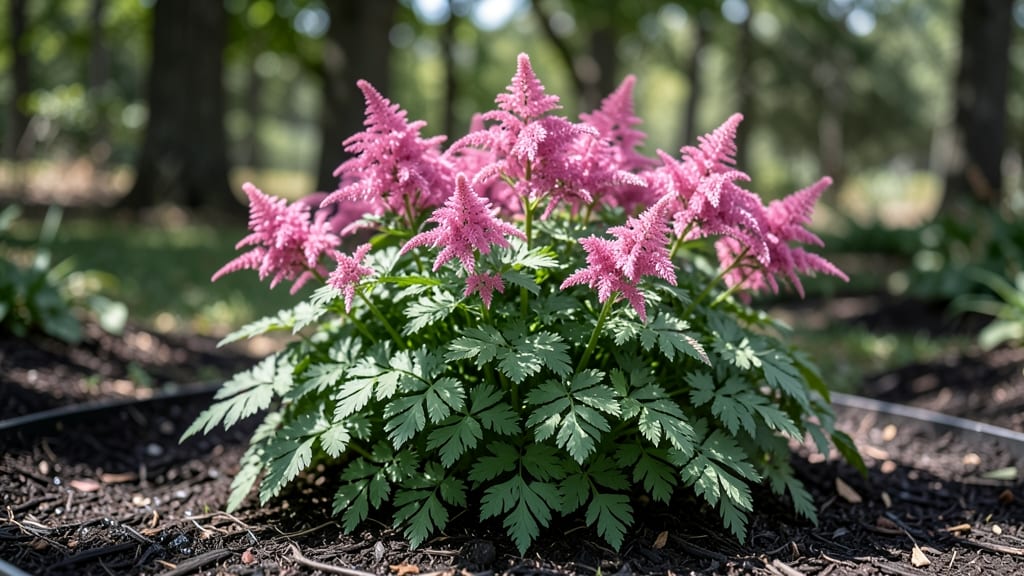
Your astilbe bloom season depends entirely on your zone, and getting it right means the difference between plump, feathery plumes and sparse, weak flowers.
If you’ve ever wondered why your astilbe blooms seem to appear at different times each year—or why your neighbor’s plants look like they’re in full bloom while yours are just waking up—it’s likely due to your hardiness zone.
In USDA Zone 6a, where astilbe thrives, blooms typically kick off in late spring, with the peak season stretching from June through August. But move a few zones north or south, and those timelines shift dramatically.
Below, I’ll break down the exact bloom windows by zone, plus the care tweaks—like pruning and soil prep—that can push your astilbe to flower earlier, longer, or with more vigor.
Astilbe bloom season by USDA hardiness zone: when to expect first flowers
Timing your astilbe blooms starts with knowing your USDA hardiness zone. These feathery favorites thrive in Zones 3-10, but their bloom windows vary dramatically depending on where you garden.
Early spring in Zone 4 might trigger blooms by late May, while Zone 9 astilbes often wait until July to put on their show. Understanding these patterns helps you plan for pruning schedules and fertilizer applications to maximize your garden's impact.
Most astilbes bloom for 4-6 weeks, but some reblooming varieties like 'Deutschland' can extend their show into early fall. The key difference? Cooler climates (Zones 3-5) tend to have earlier, shorter blooms, while warmer zones (7-10) often enjoy prolonged flowering.
Let's break down what to expect in your specific zone, plus how to adjust planting times for earlier blooms.
Pro Tip: Plant astilbes in late spring (after last frost) in Zones 3-5 for a head start on summer blooms. In Zones 6-10, early fall planting can help establish roots before winter, leading to earlier spring blooms the following year.
| USDA Zone | First Bloom Window | Peak Bloom | Best Early Varieties | Planting Tip |
|---|---|---|---|---|
| Zones 3-4 | Late May - Early June | Mid-June | 'Fanal', 'Bridal Veil' | Plant in late spring after frost |
| Zones 5-6 | Early June | Late June - Early July | 'Deutschland', 'Glut' | Add mulch in fall for insulation |
| Zones 7-8 | Late June - Early July | August | 'Amethyst', 'Fanal' | Plant in early fall for spring blooms |
| Zones 9-10 | July - August | September | 'Deutschland', 'Vision' | Provide afternoon shade in summer |
In Zones 3-4, where winters are harsh, astilbes like 'Fanal' often bloom earliest—sometimes as early as late May. These cold-hardy varieties take advantage of the longer daylight hours of northern summers. To encourage earlier blooms, plant dwarf varieties near southeast-facing walls where they'll receive reflected warmth.
For Zones 5-6, expect your astilbes to wake up by early June, with peak blooms stretching into July. Varieties like 'Deutschland' are particularly reliable here, often producing second flushes if you deadhead promptly.
In these zones, spring mulching with compost can help retain moisture and encourage vigorous growth.
Southern gardeners in Zones 7-10 often see their astilbes bloom later, with July-August being the typical window. However, this can be an advantage—later blooms avoid the peak heat of summer.
If you're in Zone 8 or warmer, consider planting shade-loving varieties like 'Amethyst' under deciduous trees to protect them from intense afternoon sun.
Want to push your astilbe blooms earlier? Try these zone-specific tricks: In Zones 3-5, plant container-grown astilbes in early spring—they'll establish faster than bare-root plants. For Zones 6-10, add a 2-3 inch layer of mulch in late winter to insulate roots and encourage earlier growth.
Both methods can shift bloom times by 1-2 weeks.
One common mistake is assuming all astilbes bloom at the same time. In reality, 'Glut' (a deep red variety) often blooms 1-2 weeks earlier than 'Bridal Veil' (white). Mixing varieties in your garden creates a staggered bloom effect, extending your seasonal interest.
For example, plant 3 parts 'Deutschland' with 1 part 'Fanal' to enjoy continuous color from June through August.
Remember that soil moisture plays a critical role in bloom timing. Astilbes are thirsty plants—consistent watering (especially during bud formation) can advance bloom times by up to 10 days.
In dry zones like Zone 7b, consider installing a drip irrigation system to maintain even moisture levels throughout the growing season.
Finally, pay attention to your local microclimate. Urban areas often bloom 1-2 weeks later than rural zones due to heat island effects. If you notice your astilbes lagging, try moving them to
How to extend astilbe bloom season: pruning, fertilizing, and deadheading tips
Your astilbe’s bloom season doesn’t have to end after the first flush of flowers. With the right techniques, you can coax your plants into producing repeat blooms throughout summer. The key lies in understanding when to prune, how to fertilize strategically, and why deadheading makes all the difference.
Let’s break down the best practices for extending that plume-filled display in your garden.
First, let’s address the biggest question: should you prune astilbe to encourage reblooming? The answer depends on your USDA zone and your plant’s current state. In cooler zones like Zone 5, cutting back faded blooms after the first flush can trigger a second round of flowers.
Meanwhile, in warmer zones like Zone 8, a lighter touch might be all your astilbe needs to keep blooming.
Pruning for Rebloom: Cut-Back vs. No-Prune
Cut-Back Approach
- Pros: Encourages second blooms in Zones 3-6
- Pros: Promotes taller, bushier growth
- Pros: Removes seed heads that drain energy
Best for: Cooler climates (Zones 3-6), after first flush in late spring
No-Prune Approach
- Pros: Preserves natural shape and winter interest
- Pros: Less stress on plant in warm zones
- Pros: Allows seed dispersal for propagation
Best for: Warmer climates (Zones 7-10), or dwarf varieties
For fertilizing astilbe to extend blooms, timing is everything. Start with a balanced 10-10-10 fertilizer in early spring as new growth emerges. Then, apply a low-nitrogen, high-phosphorus fertilizer (like 5-10-10) every 4-6 weeks during the growing season.
This encourages more flower production rather than leafy growth. Avoid fertilizing in late summer—your astilbe needs to prepare for dormancy.
Deadheading is another game-changer for repeat blooms. Simply snip off faded flower plumes with clean pruners or your fingers. This redirects the plant’s energy from seed production to creating new blooms.
I like to deadhead my astilbe every 1-2 weeks during peak bloom season. Pro tip: Wear gloves—those feathery plumes can be itchy!
Don’t forget about watering consistency. Astilbe thrives on moist, well-draining soil, but it hates soggy roots. Water deeply in the morning to keep the soil evenly moist, especially during hot, dry spells.
Mulching with 2-3 inches of organic mulch helps retain moisture and keeps roots cool, which can make a big difference in bloom duration.
With these strategies—pruning for rebloom, targeted fertilizing, and consistent deadheading—you’ll enjoy astilbe blooms that last well into summer. The secret is paying attention to your plant’s signals and adjusting your care routine accordingly. Your garden will thank you with vibrant plumes that keep coming back!