
Blooming
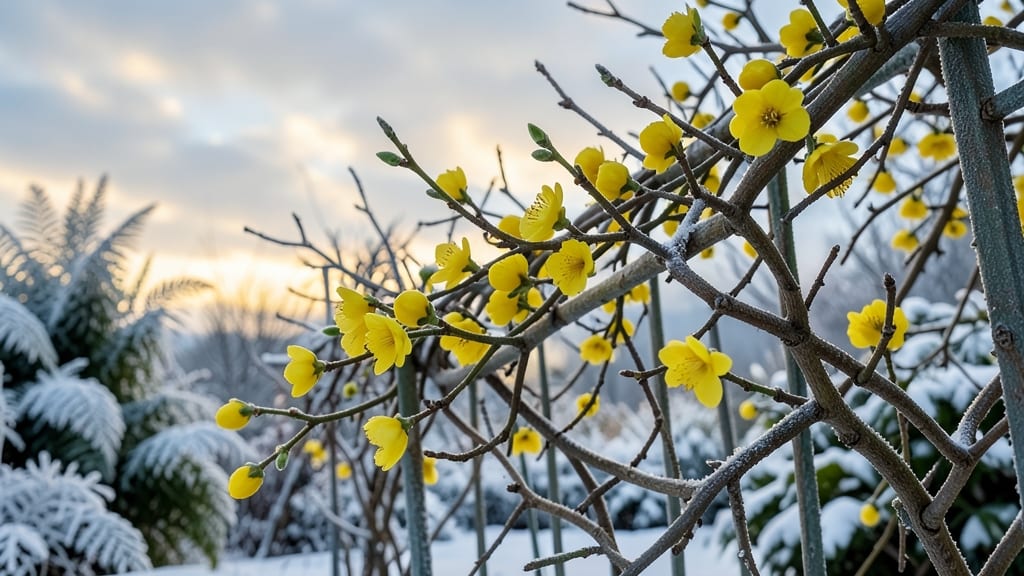
Tired of seasonal color swings in your garden? These ten hardy perennials deliver continuous blooms year-round with minimal effort, transforming any outdoor space into a vibrant, ever-changing landscape that thrives in all four seasons.
Lantana for Tropical Year-Round Color
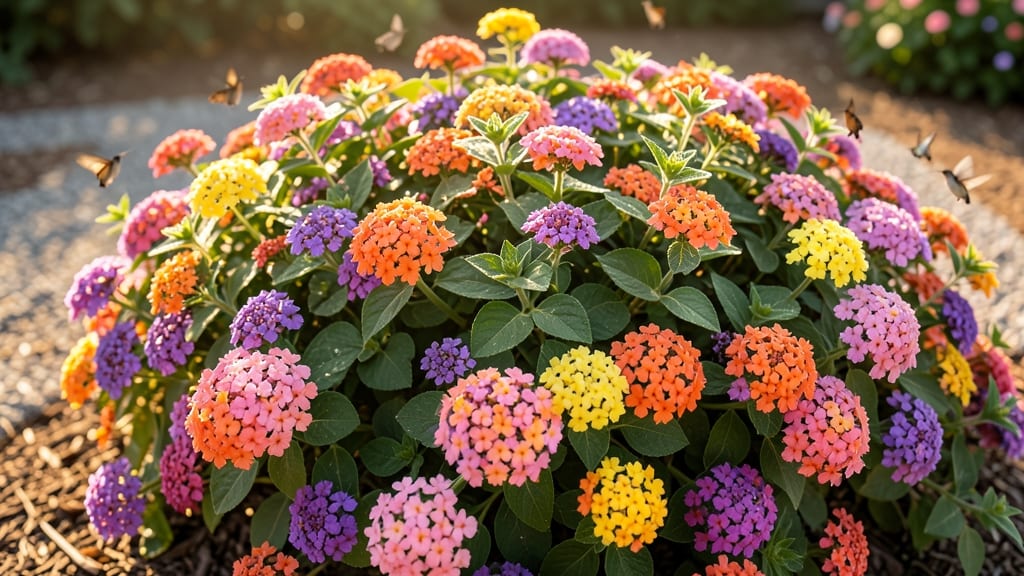
If you crave year-round color without the fuss of seasonal replanting, lantana is your go-to perennial. This sun-loving superstar thrives in heat and humidity, producing clusters of tiny, vibrant blooms in pink, yellow, orange, and even purple—all while attracting butterflies and hummingbirds to your garden.
Lantana’s drought resistance makes it perfect for southern climates or water-wise container gardens. Simply plant it in well-draining soil and provide 6+ hours of full sun daily—it’ll reward you with nonstop blooms from spring through frost. Deadhead spent flowers to encourage even more blossoms, but otherwise, this plant is nearly self-sufficient.
Whether you’re a busy urban gardener or a southern homeowner, lantana delivers low-maintenance beauty with minimal effort. Just be cautious—its berries are toxic to pets, so keep it out of reach if you have curious furry friends. 🌻
Hellebores Bring Early Spring Blooms
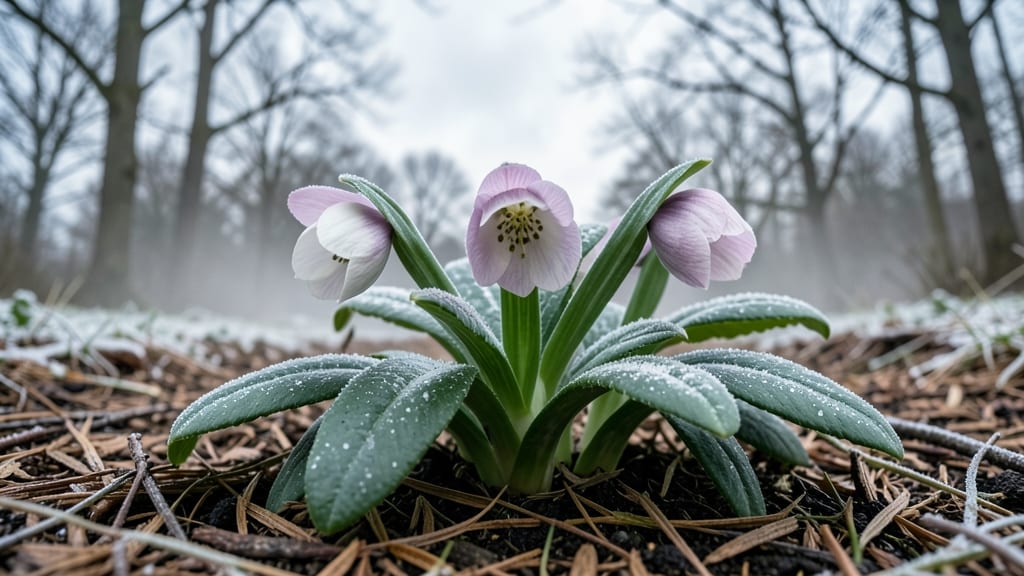
When most of your garden is still buried under snow, helleborus (commonly called hellebores) defiantly burst into bloom, offering delicate winter and early spring color. These evergreen perennials thrive in shade and cold, making them the unsung heroes of woodland gardens where sunlight is scarce.
Known as the "Lenten rose" or "Christmas rose," hellebores bloom from late winter through early spring, producing nodding flowers in shades of white, pink, purple, and green. They prefer moist, well-draining soil and partial to full shade, tolerating temperatures as low as -25°F. Their leathery foliage stays attractive year-round, providing structure even when flowers fade.
Perfect for gardeners in USDA Zones 3-9, hellebores require almost no maintenance—just occasional division every few years to prevent overcrowding. Their long bloom season and shade tolerance make them ideal for under trees, along north-facing walls, or in shady borders. 🌷
Salvia for Long-Lasting Summer Flowers
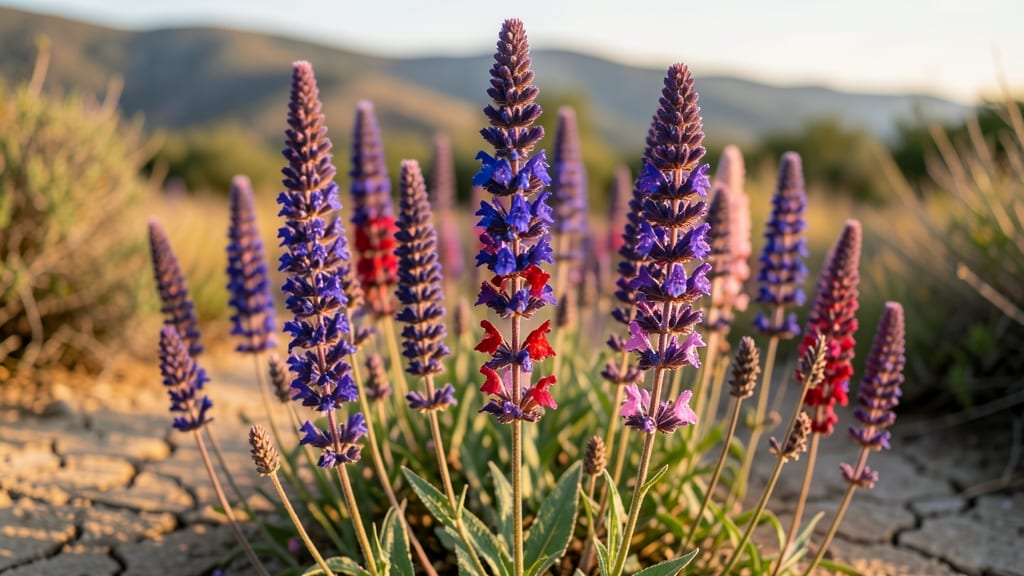
If you're dreaming of a low-water garden that still bursts with color, salvia is your secret weapon. This hardy perennial delivers tall, dramatic flower spikes in shades of purple, blue, red, and pink from early summer through fall—with almost no effort from you.
Salvia thrives in full sun and drought conditions, making it perfect for xeric landscapes or borders where water is scarce. Its deer-resistant nature means you won’t need fencing to protect your blooms, and it attracts pollinators like bees and hummingbirds, turning your garden into a buzzing ecosystem. Simply cut back faded stems in late winter to encourage fresh growth.
Ideal for gardeners in USDA Zones 5-10, salvia pairs beautifully with succulents and ornamental grasses. Whether you're designing a pollinator-friendly border or a water-wise garden, this plant delivers bold color with minimal care. 💪
Heuchera Adds Year-Round Foliage Interest
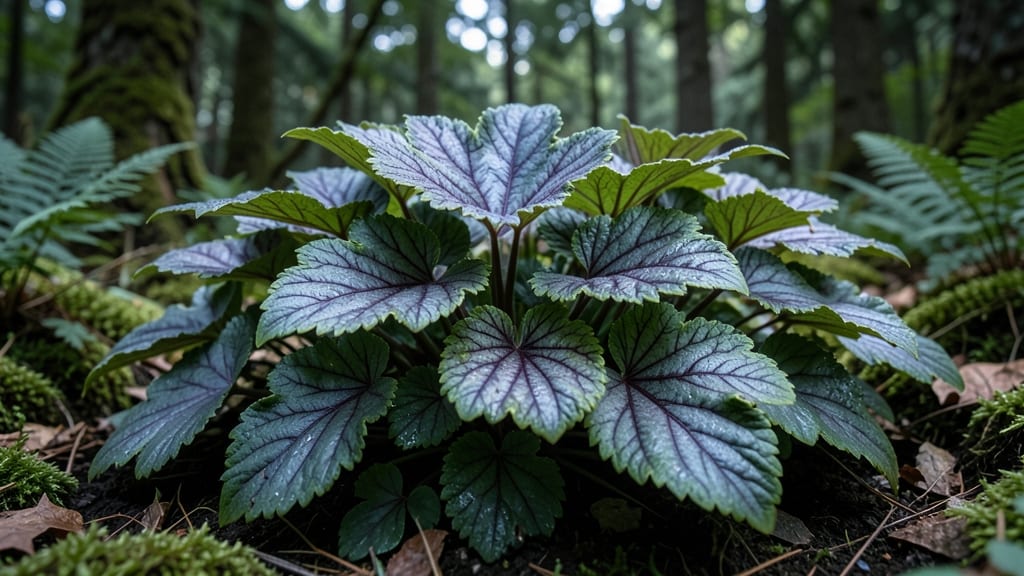
If you love lush foliage but struggle with shady spots in your garden, heuchera (also called coral bells) is your secret weapon. This versatile perennial delivers year-round color through its striking, evergreen leaves in shades of purple, silver, lime, and deep green—even when flowers fade. Some varieties, like 'Plum Pudding' or 'Palace Purple,' even produce delicate spring blooms that add unexpected texture to your shade garden.
Heuchera thrives in partial to full shade and tolerates a wide range of soils, making it perfect for under trees, along foundations, or in containers where other plants struggle. For best results, water consistently during the first growing season to establish roots, then reduce to occasional watering once established. The plant's compact size (12-18 inches tall) also makes it ideal for ground cover or as a striking accent in mixed containers.
Urban gardeners and shade-lovers will adore heuchera for its low-maintenance nature—just snip off spent flower stalks in early summer to keep the foliage looking its best. Whether you're designing a woodland garden or brightening up a dark corner, heuchera delivers seasonal interest without the fuss. 💚
Coral Bells for Seasonal Color Shifts
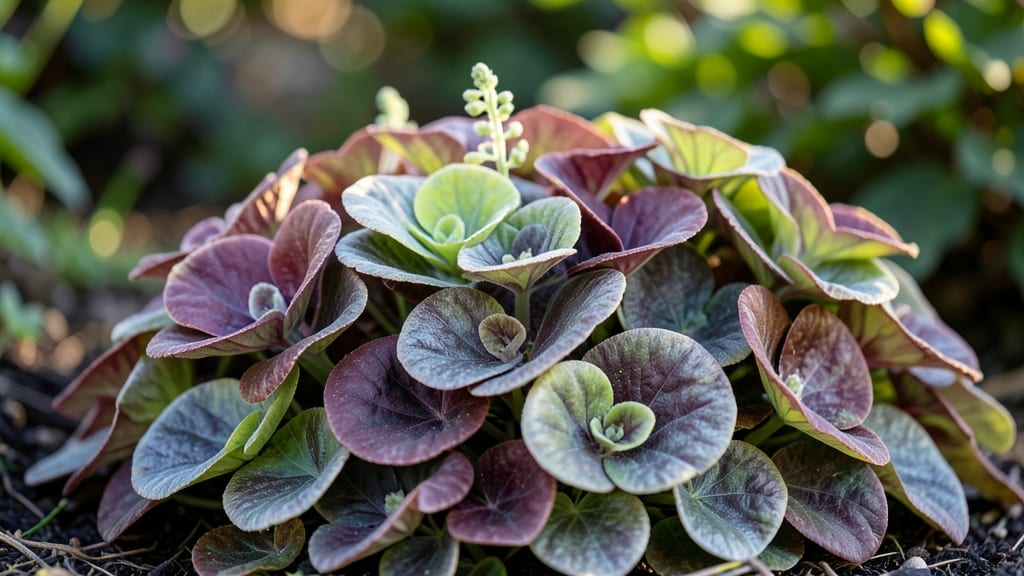
If you want a perennial that delivers year-round visual interest without demanding full sun, coral bells (Heuchera) are your secret weapon. This versatile plant thrives in partial shade, offering striking foliage in shades of purple, silver, lime green, or deep burgundy—even when flowers aren’t in bloom. In spring and summer, it rewards you with delicate flower spikes that add height and texture to your garden.
Coral bells adapt to almost any well-draining soil and prefer morning sun with afternoon shade, making them perfect for under trees, along north-facing walls, or as edging for shady borders. Their low-growing habit also makes them ideal as living mulch, suppressing weeds while adding color. For best results, water consistently during the first growing season, then reduce irrigation once established—they’re surprisingly drought-tolerant once mature.
This plant is a game-changer for shade gardens, container arrangements, or mass plantings where you want year-round color with minimal effort. Even in winter, their foliage remains attractive, providing structure when other plants have faded. 💚
Dianthus for Fragrant Late-Season Blooms
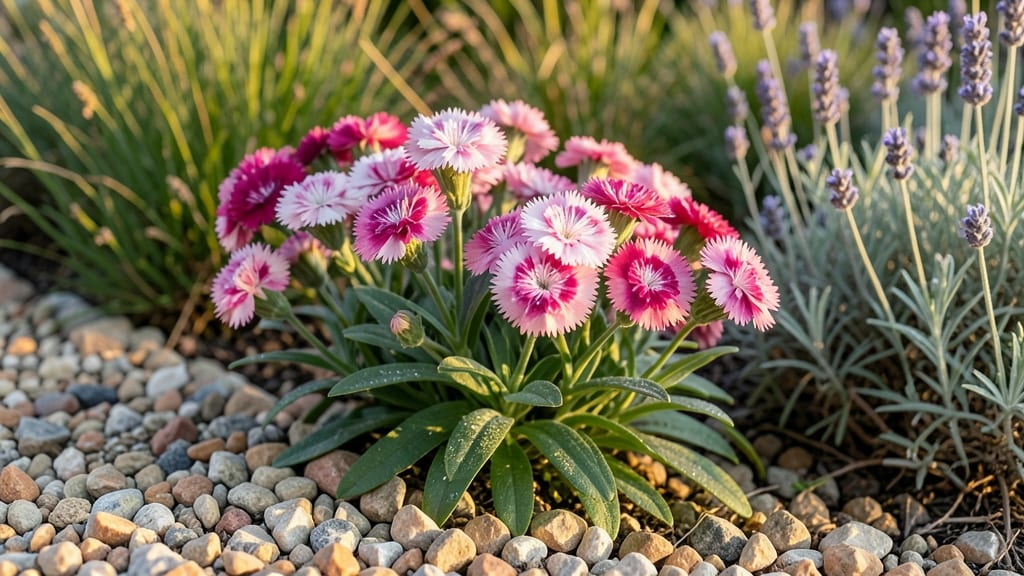
Want a garden that smells as good as it looks? Dianthus delivers fragrant blooms from late spring through fall, filling your outdoor space with a sweet, clove-like scent that draws you closer to the garden. These charming perennials thrive in full sun and drought conditions, making them perfect for rockeries, cottage gardens, and pollinator-friendly landscapes where other plants might struggle.
With over 300 varieties to choose from, you can mix colors like pink, red, white, and purple for a vibrant display. Dianthus prefers well-draining soil and benefits from a light pruning after each bloom cycle to encourage more flowers. Their compact size (12-18 inches tall) makes them ideal for borders, containers, or even edging pathways.
Perfect for gardeners who love fragrant flowers with minimal fuss, dianthus is also deer-resistant and attracts bees and butterflies. Whether you're designing a cottage garden or a modern pollinator haven, these blooms will keep your space lively and aromatic all season long. 🌷
Sedum for Late Summer to Fall Color
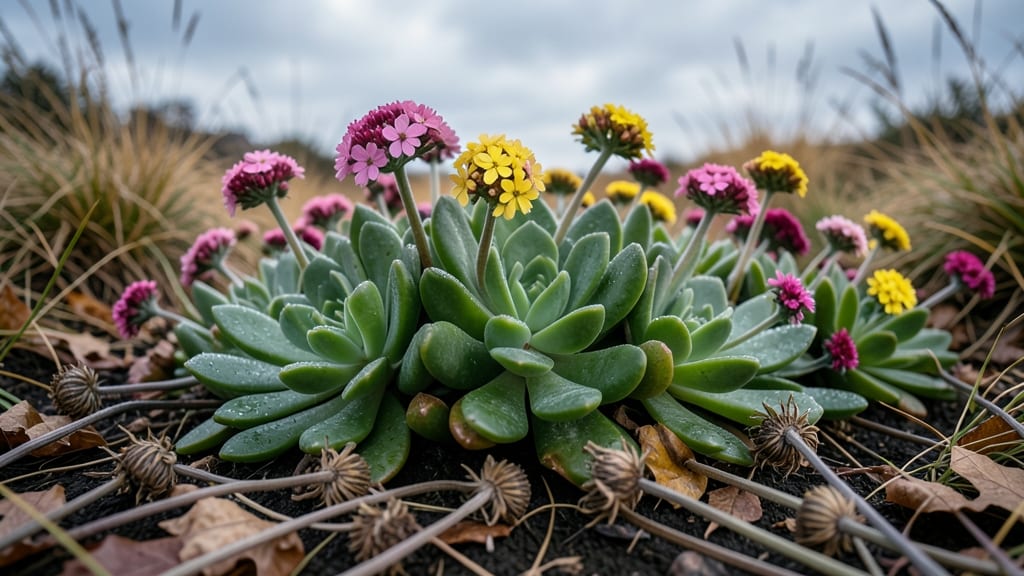
Looking for a no-fuss perennial that delivers vibrant color when most gardens are winding down? Sedum (or "stonecrop") is your answer—these succulent-like plants bloom from late summer straight through frost, turning your garden into a late-season spectacle with almost zero effort.
Sedum thrives in full sun to partial shade and requires almost no water once established, making it ideal for rocky gardens, green roofs, or drought-prone areas. Varieties like 'Autumn Joy' and 'Matrona' produce striking clusters of pink, red, or yellow flowers that attract butterflies and bees. Simply plant in well-draining soil and let them do their thing—no deadheading needed!
Perfect for urban gardeners, rooftop planters, or water-wise landscapes, sedum adds bold late-season interest while demanding next to no care. It’s the ultimate low-maintenance hero for extending your garden’s season. 🌻
Forsythia for Early Spring Sunshine
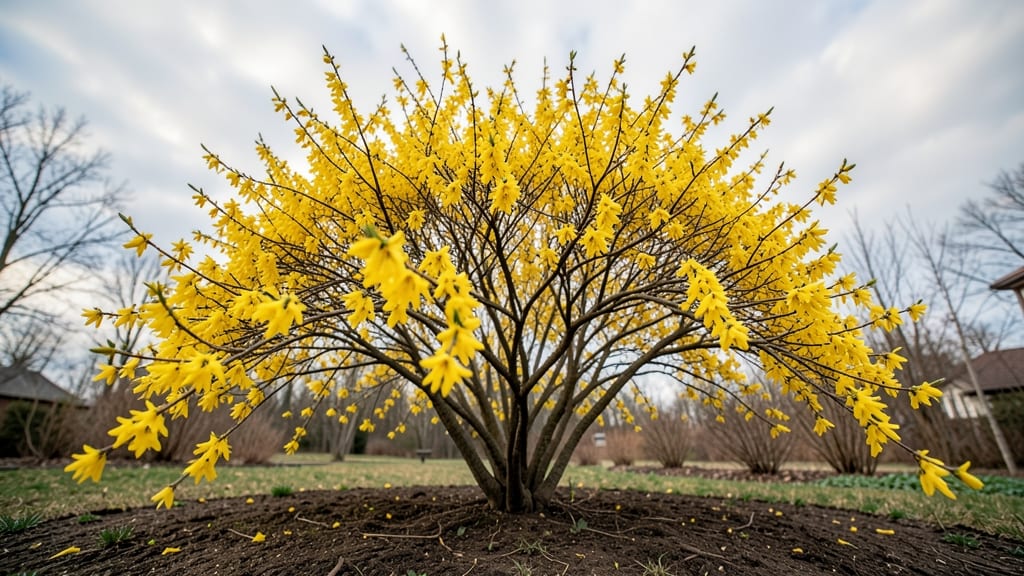
When the first hints of spring arrive and most gardens are still dormant, forsythia bursts onto the scene like a cheerful firework, blanketing branches in bright yellow blooms that announce the season’s arrival. This deciduous shrub is one of the earliest perennials to flower, often blooming as soon as late winter or early spring—sometimes even before leaves appear—making it a reliable harbinger of warmer days ahead.
Forsythia thrives in full sun to partial shade and adapts to a wide range of soils, from sandy to clay, as long as drainage is adequate. Its fast-growing nature makes it perfect for creating quick hedges, informal borders, or as a striking focal point near entryways. Prune immediately after flowering to maintain shape and encourage bushier growth, but avoid cutting back into old wood—this shrub blooms on last year’s growth. With minimal care, it rewards you with weeks of vibrant color before summer takes over.
Perfect for gardeners in USDA Zones 5-8, forsythia is especially beloved by those who want to brighten up early-season gardens with minimal effort. Pair it with hellebores or early-blooming bulbs for a layered, long-lasting spring display. 🌻
Russian Sage for Extended Summer Bloom
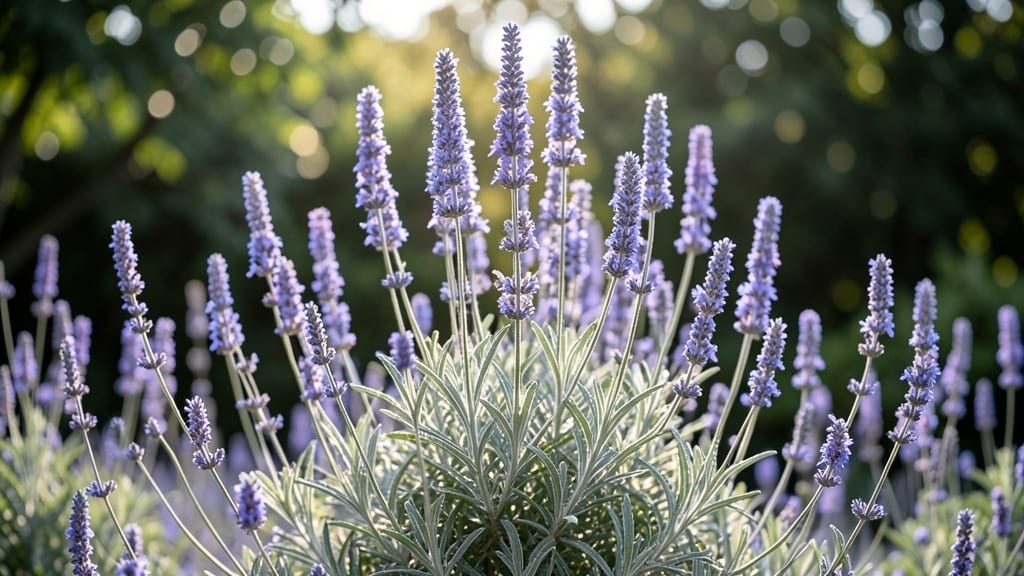
If you're looking for a drought-resistant perennial that thrives on neglect and delivers lavender-blue blooms from mid-summer through fall, Russian sage (Perovskia atriplicifolia) is your answer. This hardy plant stands tall (3-5 feet) with airy, wispy flower spikes that add movement and texture to any garden—even when other plants are fading.
Russian sage flourishes in full sun and well-draining soil, making it perfect for dry climates, slopes, or borders where water conservation is key. Its deer-resistant nature means you won’t need to worry about hungry critters munching on your blooms, and it pairs beautifully with succulents, grasses, or other late-season perennials. Simply prune back stems in early spring to encourage fresh growth—no deadheading required during the blooming season.
Gardeners in USDA Zones 5-9 will love Russian sage for its low-maintenance charm and ability to thrive in poor soil conditions. Plant it as a focal point in sunny borders, or use it to soften hardscapes like patios or walkways. With its long bloom time and silvery foliage, this plant keeps your garden looking fresh well into autumn. ✨
Winter Jasmine for Fragrant Winter Blooms

When your garden looks like a winter wonderland of bare branches, winter jasmine (Jasminum nudiflorum) bursts onto the scene with cheerful bright yellow, fragrant blooms that appear before the leaves even return. This deciduous climber is nature’s way of reminding you that spring is coming—even when snow still lingers on the ground.
Plant this hardy vine in full sun to partial shade and watch it twine effortlessly up trellises, fences, or walls, creating a stunning vertical display. Winter jasmine thrives in USDA Zones 5-9 and requires minimal care—just prune back old stems in late winter to encourage fresh growth. Its sweet, jasmine-like fragrance adds an extra sensory treat when you brush past the blooms on chilly days.
Perfect for gardeners who want instant winter interest without the fuss of evergreens, winter jasmine pairs beautifully with early spring bloomers like hellebores or crocuses. Urban gardeners with limited space will love how it transforms plain walls into floral masterpieces. 🌱