
Blooming
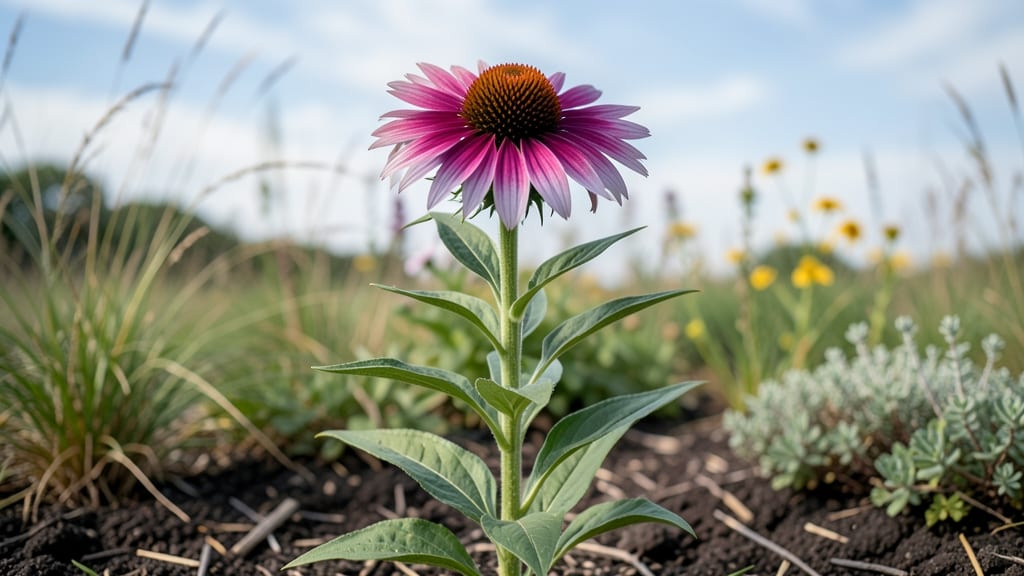
Summer-blooming perennials thrive in full sun and heat, with standout varieties like coneflowers, black-eyed Susans, and daylilies that often produce repeat blooms when you remove spent flowers and maintain consistent care. Opt for drought-resistant types to ensure vibrant color all season.
These hardy plants rely on sunlight and warmth to trigger their flowering cycles, with many species developing thicker leaves and deeper roots during hot months to conserve moisture. 🔥 The key to encouraging reblooms lies in removing faded blooms (deadheading) and providing balanced watering—neither too much nor too little.
For instance, coneflowers and bee balm respond beautifully to this care, while lavender and sedum require minimal attention once established. The right soil temperature and spacing also play crucial roles in their ability to withstand summer heat while producing abundant flowers.
When selecting varieties, consider your climate zone and soil type. Drought-tolerant options like Russian sage or blanket flower are ideal for hot, dry regions, while others like phlox or coreopsis thrive with regular moisture. Many of these perennials also attract pollinators, making them a great addition to eco-friendly gardens.
The secret to long-lasting blooms often comes down to proper planting techniques and understanding each plant's specific needs—whether it's well-draining soil or afternoon shade in extreme heat.
💡 In This Article
- How Heat and Sun Trigger Summer Blooms in Perennials
- Top 12 Summer-Blooming Perennials for Hot Climates
How heat and sun trigger summer blooms in perennials
Summer-blooming perennials rely on a fascinating biological process called photoperiodism, where plants respond to daylight length. As days lengthen in late spring, these species detect the increased sunlight through specialized proteins called phytochromes in their leaves.
This triggers the production of florigen, a hormone that signals the plant to begin flowering. For example, coneflowers and black-eyed Susans typically bloom when daylight exceeds 14 hours, a threshold many summer perennials share.
Heat also plays a role by accelerating metabolic processes, though temperatures above 90°F can stress some species without proper care. 🔥
The secret to their heat tolerance lies in deep root systems that can reach 2-3 feet underground, accessing moisture even during droughts. Plants like daylilies develop thicker, waxy leaves to reduce water loss through transpiration, while others like Russian sage have fine, silvery hairs that reflect sunlight.
Soil temperature also matters—roots need to stay above 60°F to thrive, which is why mulching with 2-3 inches of organic matter helps regulate temperature and retain moisture. This combination of adaptations allows these perennials to flourish where annuals might wilt.
Reblooming in perennials like bee balm and coreopsis works through a process called sequential flowering. After the initial flush of blooms, the plant produces new flower buds from lateral stems if you remove spent blooms (deadheading).
This stimulates the plant to redirect energy toward new growth rather than seed production. The key timing is within 24-48 hours of wilting—delaying too long can reduce reblooming potential. Watering deeply 1-2 times per week (depending on rainfall) maintains this cycle while avoiding root rot from overwatering.
Light requirements vary slightly but generally fall between 6-8 hours of direct sun daily. Some perennials, like lavender, actually prefer full sun with afternoon shade in extreme heat*, while others like blanket flower thrive in intense sunlight.
The balance between light and moisture creates ideal conditions for photosynthesis, which fuels both leaf and flower production. For instance, a black-eyed Susan planted in 6 hours of sun produces about 30% fewer blooms than one with 8 hours—a clear demonstration of how light directly impacts flowering potential.
Soil composition matters just as much as sunlight. Most summer perennials prefer well-draining soil with a pH between 6.0-7.5, though some like phlox tolerate slightly acidic conditions.
Amending heavy clay with compost or sand improves drainage, while adding slow-release fertilizer in early spring provides the nutrients needed for vigorous growth. The right soil mix ensures roots can efficiently absorb water and nutrients, even during heatwaves.
What most gardeners overlook is how moisture balance affects reblooming. While drought-tolerant species like sedum can survive with minimal water, they still need 1 inch of water per week during active growth to produce abundant flowers.
The trick is watering deeply but infrequently—this encourages roots to grow deeper, making the plant more resilient to summer heat. For example, a properly watered coneflower can rebloom 2-3 times per season, while one stressed by drought may produce only a single flush of flowers.