
Blooming
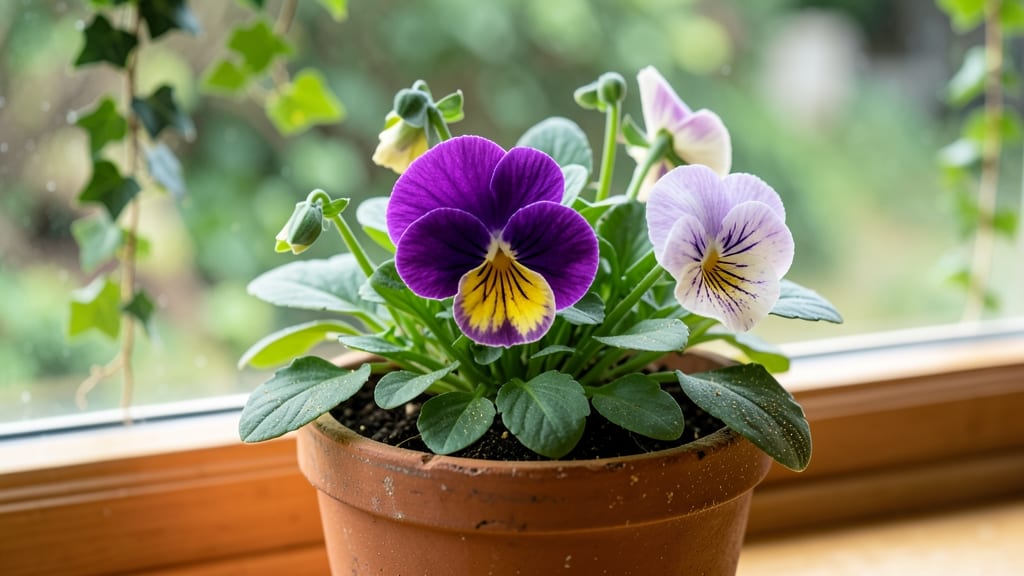
Pansies bloom in early spring and fall when most flowers refuse to play, turning chilly gardens into vibrant canvases 🌸 — but their timing depends on more than just the calendar.
What if I told you that a little cold snap is actually the secret to unlocking those cheerful faces? Pansies thrive when temperatures dip between 35°F and 65°F, and understanding this quirk can mean the difference between a few weeks of color and months of nonstop blooms.
From cold-hardy varieties that brave winter to tender types that need a break from heat, the right pansy can extend your garden’s show well beyond the usual spring burst.
Whether you’re in Zone 6a or further south, knowing when to plant and how to care for them will help you avoid the common pitfall of short-lived blooms.
Here’s how to time your pansies for maximum impact, including deadheading tricks, soil prep, and climate-specific tips to keep those faces smiling all season long.
How temperature triggers pansy bloom time for maximum color
Pansies thrive where most flowers falter, bursting into color when temperatures dip into their ideal range of 35-65°F. This cold-sensitive trigger explains why they dominate early spring and fall gardens.
Understanding these temperature cues lets you time blooms precisely—whether you want vibrant spring displays or late-season color before frost.
The secret lies in pansies' vernalization process, where exposure to cool temperatures (below 60°F) signals the plant to shift from vegetative growth to flowering mode.
This natural mechanism is why they bloom so reliably in cooler seasons, while summer heat often causes them to bolt or fade. For gardeners, this means strategic planting can extend their bloom time far beyond typical seasons.
Cold stratification—exposing seeds or plants to cold periods—is a game-changer. By mimicking winter conditions, you can jumpstart bloom cycles for earlier spring flowers or push fall blooms into winter. For example, planting pansy seeds in late summer and letting them experience natural cold snaps ensures robust spring displays.
This technique works especially well in USDA Zones 3-7, where winters are reliably chilly.
Here’s how temperature directly influences pansy bloom stages:
| Temperature Range (°F) | Bloom Stage | Growth Response | Best For |
|---|---|---|---|
| Below 35°F | Dormancy | Growth halts; plant conserves energy | Winter survival |
| 35-50°F | Bloom Trigger | Flower buds form; vernalization occurs | Fall planting |
| 50-65°F | Active Blooming | Flowering peaks; vibrant color | Spring/fall gardens |
| Above 70°F | Stress/Bolt | Flowers fade; plant may go dormant | Summer avoidance |
To maximize bloom time, aim for consistent temperatures between 50-65°F during active growth. If you’re in a warmer climate (Zones 8-10), use shade cloth or afternoon shade to prevent heat stress.
Even a 10°F drop at night can signal pansies to reboot their bloom cycle, making them perfect for fall gardens that last until frost.
For extended fall color, plant pansies in late summer (around August in most regions). They’ll experience the cooling temperatures of autumn and bloom until winter. In cooler climates (Zones 3-5), mulch heavily with straw or leaves to protect roots from freezing while still allowing airflow.
This balance keeps the soil cool enough to trigger blooms but not so cold that growth stops entirely.
Heat is pansies’ worst enemy. When temperatures climb above 75°F, they often stop blooming and go dormant. To combat this, choose heat-tolerant varieties like 'Matrix' or 'Cool Wave' and provide afternoon shade.
Even a simple white shade cloth (30-50% coverage) can drop soil temperatures by 10-15°F, keeping pansies in their sweet spot for prolonged flowering.
Deadheading spent blooms is another temperature-sensitive trick. When days are cool (60°F or below), removing faded flowers encourages new buds to form. However, in warmer conditions, deadheading can stress the plant, so skip it until temperatures drop.
This simple habit can extend bloom time by 4-6 weeks in ideal conditions.
For year-round color, combine pansies with cool-season companions like snapdragons or dianthus. These plants share similar temperature preferences and create a sequential bloom display from early spring through fall. In mild-winter regions (Zones 7-10), pansies may even bloom lightly in winter with light mulch protection.
Experiment with container gardening to manipulate temperature exposure. Move pots to shadier spots during heatwaves or place them near reflective surfaces (like white walls) to cool the roots. This flexibility lets you adjust bloom timing based on your local microclimate.
With the right temperature management, pansies can deliver color for nearly 10 months in a single season.
Best pansy varieties for different bloom times and climates
Choosing the right pansy varieties can transform your garden into a year-round color show. The key lies in understanding how each type responds to temperature shifts and climate zones.
Some varieties thrive in cold snaps while others handle summer heat—and knowing the difference means blooms when you need them most.
For early spring displays, Viola tricolor (wild pansy) is my go-to, blooming as soon as soil temperatures hit 40°F. In fall gardens, Viola cornuta (horned pansy) steals the show, often lasting until first frost.
But if you're in hotter zones (8-10), heat-tolerant varieties like 'Matrix' series keep blooming through late fall.
In cold climates (zones 3-5), prioritize Viola tricolor and 'Cool Wave' varieties—they'll bloom through late winter if protected with mulch. For mild winters (zones 6-7), 'Major' series offers spring and fall blooms with minimal care.
Meanwhile, heat-loving zones (8-10) should focus on 'Matrix' varieties, which handle 90°F+ temperatures better than traditional pansies.
Pro tip: Mix varieties for extended bloom windows. Plant 'Major' series in early spring and 'Matrix' in late summer to create a nonstop color parade. Just remember—Viola cornuta needs cool nights to trigger blooming, while heat-tolerant types require afternoon shade in summer.
For container gardens, choose compact varieties like 'Little Norway', which blooms from spring to frost in partial shade. In full sun, opt for 'Sorbet' series—their heat tolerance makes them perfect for summer containers.
🌷