
Blooming
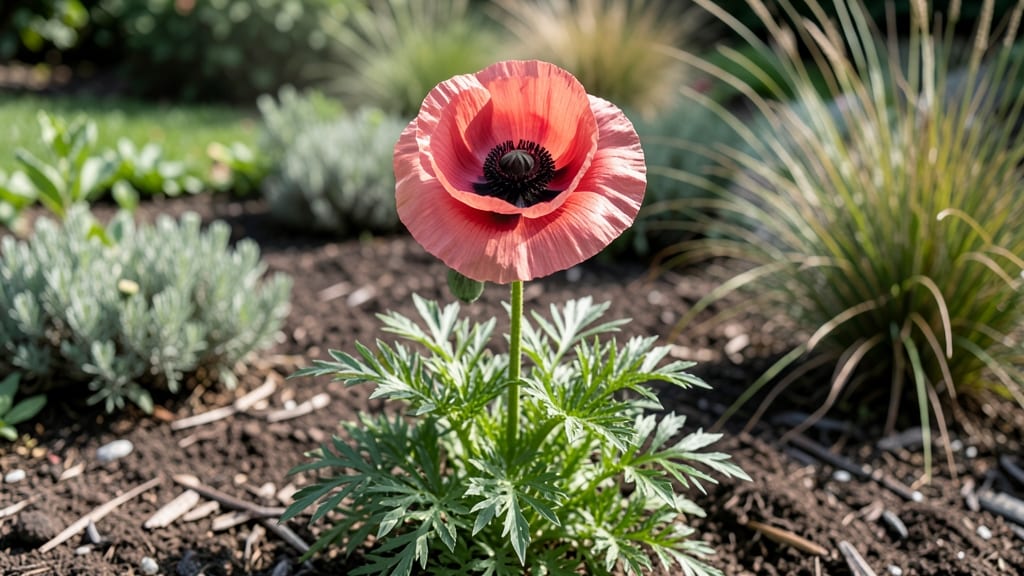
The oriental poppies bloom time is triggered by daytime temperatures consistently hitting 70°F or warmer—a heat-activated process that transforms their tightly closed buds into dramatic, papery flowers.
If you’ve ever planted these stunning 🌸 perennials in early spring only to watch them sit quietly until summer, you’re not alone. Unlike many flowers, oriental poppies refuse to open until the right conditions arrive, making timing the key to a showstopping display.
In USDA Zone 6a (like most home gardens), blooms typically appear between late May and early July, but cooler climates can delay them by weeks—or even months. The secret? Heat exposure, not just time of year.
Below, I’ll break down how to predict bloom windows for your zone, plus three simple tricks to encourage earlier (or longer) flowering—so you’re not left waiting for summer to arrive.
When oriental poppies bloom: heat-triggered stages by USDA Zone
Oriental poppies (Papaver orientale) are famous for their heat-triggered blooms, which only open when daytime temperatures consistently reach 70°F (21°C) or higher. This unique behavior means their bloom time varies dramatically by USDA zone, from late spring in warmer regions to early summer in cooler climates.
Understanding these heat thresholds helps you predict—and even manipulate—when your poppies will burst into color.
The key to timing is tracking three critical heat stages: early opening (first buds unfurl), peak bloom (full petal display), and late-season fade (when flowers close for the day or season).
In Zone 3, for example, blooms may wait until June when soil warms, while Zone 8 gardeners might see flowers as early as April. Let’s break down what to expect in your region.
In Zone 3, where winters are harsh, oriental poppies often wait until late June to bloom because the soil needs to warm to 65°F (18°C) before buds respond to heat. I’ve seen gardeners in Minnesota use black plastic mulch to raise soil temperatures by 5-10°F, triggering earlier blooms.
For Zone 8, the opposite is true—poppies may bloom as early as March if daytime temps hit 62°F (17°C), but they’ll close by noon if afternoon heat exceeds 75°F (24°C).
One critical misconception is that oriental poppies bloom in cool weather. In reality, they require heat to open, but they’ll close by midday if temperatures climb above 80°F (27°C)
How to extend oriental poppy bloom time with strategic planting
Oriental poppies love heat but hate humidity—this paradox is why they bloom dramatically for just a few weeks unless you strategically manipulate their environment. The key? Staggered planting and microclimate control to create ideal heat triggers without stressing the roots.
In cooler zones like USDA 3-5, this means planting in south-facing beds or even raised containers to absorb daytime warmth while escaping evening chill.
I’ve found that shade cloths (30-50% coverage) during peak summer afternoons can prevent premature wilting while still allowing enough light for photosynthesis. Think of it like giving your poppies a cooling break—they’ll reward you with longer bloom cycles when temperatures drop back into their 75-85°F comfort zone.
- 1. Stagger Planting by 2-3 week intervals in spring to create sequential heat triggers—new batches bloom as older ones fade.
- 2. Use Black Mulch (like landscape fabric) to absorb daytime heat and radiate warmth to roots after sunset.
- 3. Plant Near Heat-Retaining Structures (fences, brick walls) to extend bloom windows by 3-4 weeks in cooler zones.
- 4. Avoid Overwatering—dry soil triggers more dramatic blooms than consistent moisture.
- 5. Deadhead only after blooms fade—removing spent flowers too early signals the plant to stop flowering.
For USDA Zones 6-8, where summer heat arrives early, I recommend planting poppies in partial shade (under deciduous trees) to delay their heat response. The dappled light keeps foliage lush while postponing bloom time until late spring, when daytime temps hover around 70°F.
This simple trick can add 4-6 weeks to your display!
Don’t overlook soil temperature—poppy seeds need 60°F+ soil to germinate, but established plants thrive in 75-85°F ranges. Amend heavy soils with sand or perlite to improve drainage, which prevents root rot that can cut blooms short. A well-draining mix also helps roots absorb heat efficiently during the day.
Pro tip: Group poppies with late-season bloomers like black-eyed Susans or Russian sage to create a continuous color show. The contrast of poppies’ ephemeral beauty against longer-blooming perennials makes your garden look designed for drama all season long.
Remember, oriental poppies are short-lived perennials—they often self-seed prolifically if given ideal conditions. Let some seeds drop naturally to ensure future blooms without extra effort. With these strategies, you’ll enjoy their showstopping flowers from late spring through early summer—or even longer in warmer zones.