
Blooming
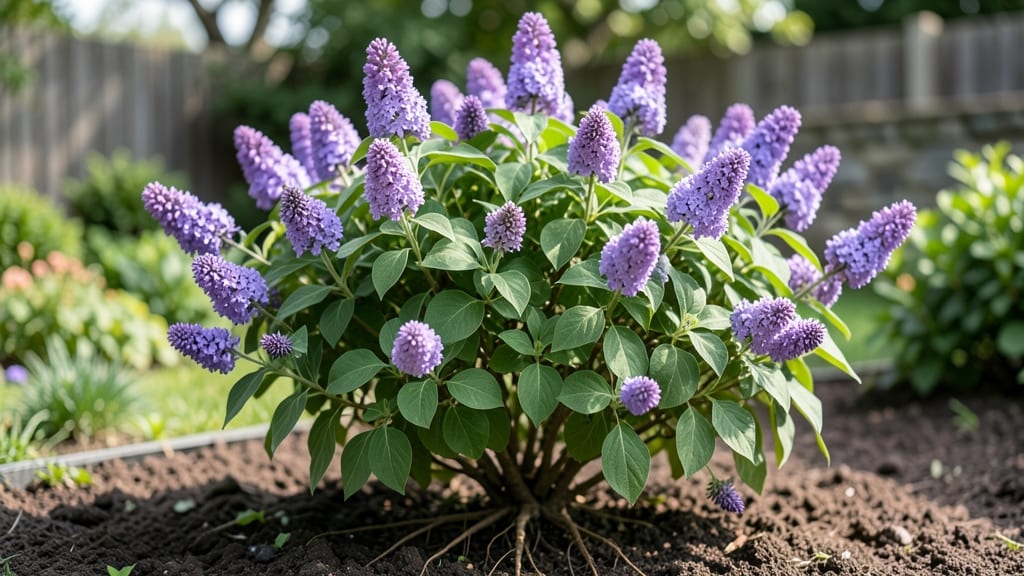
The Miss Kim lilac bursts into late-season purple glory when most lilacs have faded—think June through July in most climates. 🌸 I’ve watched mine transform my yard from spring blooms to summer showstoppers, and the secret isn’t luck, but timing: pruning after flowering and planting in the right spot.
This isn’t your typical early-spring lilac; it thrives later, giving you weeks of fragrance when others are done.
Where you live makes all the difference. In USDA zones 3-7, expect blooms from mid-June to early August, while cooler coastal areas may push them into late July. Too much shade delays flowering, and too much heat can scorch the leaves—balance is key.
My zone 5 lilac gets full sun in the morning and afternoon shade, and it rewards me with dense, dark purple clusters that last for weeks.
Pruning is where the magic happens. After blooms fade, trim back one-third of the oldest stems to encourage new growth. This keeps the plant compact and ensures next year’s flowers arrive on time.
Add a mulch layer in late fall to protect roots, and you’ll have lilacs that outshine the competition—literally. The fragrance? Like walking through a French garden in summer.
Pair it with catmint or Russian sage for a purple-themed border, and your late-season display will be the talk of the neighborhood. No fancy tricks—just smart care and patience. Your yard will thank you with vibrant, long-lasting blooms when others are already wilting.
📚 In This Guide
- What you need
- Instructions
- Tips and common mistakes
- Wrapping up and next steps
What you need
- ● Miss Kim Lilac Plant: A healthy, established specimen (3–5 years old for best results). Pro tip: Ensure it’s disease-free and well-rooted!
- ● Pruning Shears: Sharp, bypass-pruning shears (4–6" blades) to make clean cuts. ✨ Must-have: Disinfect with rubbing alcohol before/after use.
- ● Gloves: Heavy-duty garden gloves (nitrile-coated for grip and protection).
- ● Mulch: 2–3 inches of organic mulch (e.g., shredded bark or compost). 💡 Why? Retains moisture and regulates soil temp!
- ● Fertilizer: Balanced, slow-release fertilizer (10-10-10 or 20-20-20). 📊 Dosage: Follow label instructions (typically ½ lb per 100 sq ft).
- ● Watering Can/Hose: With a gentle spray nozzle for post-pruning hydration.
- ● Loppers: For thicker branches (if your lilac has overgrown limbs).
- ○ Pruning Sealant: Optional for large cuts (prevents sap loss).
- ● Soil Moisture Meter: To check hydration levels before/after pruning.
- ● Stakes/Plant Ties: If your lilac needs support after heavy pruning.
- ● Timing: Prune after the first flush of blooms (late spring/early summer) for late-season reblooms. ⏰ Key: Avoid pruning in fall/winter.
- ● Weather: Choose a calm, overcast day to reduce stress on the plant.
- ● Knowledge: Familiarize yourself with Miss Kim’s growth habit—it’s a compact, reblooming cultivar!
How to time Miss Kim lilac pruning for late-season purple blooms
This lilac variety thrives on strategic pruning to extend its show-stopping purple display—here’s how to do it right.
🌿 Step 1: Identify Last Year’s Flowering Wood
Miss Kim lilacs bloom on old wood—last year’s growth—so pruning too late risks cutting off next year’s flowers. Look for woody stems with no leaves that still have small buds along them. These are your blooming branches. Avoid pruning any stems with fat, swollen buds—those are this year’s flowers already forming.
Run your hand along each branch to feel for the smooth, hardened wood of old growth. New growth feels softer and has smaller nodes between leaves. Mark these branches with a plant tie or flag so you don’t accidentally trim them later. This visual cue ensures you’re only cutting back non-flowering wood.
✂️ Step 2: Prune Immediately After Blooming
Time your pruning 4-6 weeks after the last frost date but before new growth appears. For Miss Kim lilacs, this window is typically late May to early June in most climates. The goal is to remove last year’s spent blooms while leaving this year’s flower buds intact.
Use clean, sharp pruners to cut just above a bud or leaf node—never leave stubs. Aim for a 45-degree angle to prevent water from pooling on the cut. Trim back to healthy, outward-facing buds to encourage an open, airy growth habit. This step prevents overcrowding and directs energy toward next year’s blooms.
🌱 Step 3: Thin Out Crowded Branches for Airflow
Miss Kim lilacs can get dense and leggy over time, which reduces airflow and invites fungal issues. Look for crossing branches or weak, inward-growing stems—these are prime candidates for removal. Thin the center of the shrub first, then work outward to maintain a rounded, open shape.
Remove no more than one-third of the plant’s total branches in a single year to avoid stress. Focus on older, thicker stems first—they’re less likely to regrow. Leave 3-4 strong, outward-facing branches as your framework. This pruning style ensures longer stems with more buds for next season’s blooms.
☀️ Step 4: Fertilize and Mulch for Next Year’s Blooms
After pruning, apply a balanced, slow-release fertilizer (10-10-10) around the drip line of the shrub. Miss Kim lilacs respond well to low-nitrogen fertilizer in early summer to encourage blooming wood. Water deeply to help roots absorb nutrients, then top with 2-3 inches of mulch to retain moisture and regulate soil temperature.
Keep the mulch 2-3 inches away from the trunk to prevent rot. This layer also suppresses weeds, which compete for nutrients. Monitor the plant’s leaf color and growth over the next 6-8 weeks—healthy new growth means the pruning was successful. If leaves yellow or growth stalls, adjust fertilizer or watering.
⏰ Step 5: Plan for Late-Season Pruning Adjustments
Miss Kim lilacs bloom later than most varieties, often in May or June, so adjust your pruning schedule if you’re in a cooler climate. In regions with short growing seasons, delay pruning until mid-June to ensure all buds have formed. Watch for new growth—if you see tender shoots emerging, pause pruning until they’re 3-4 inches long.
This variety’s purple blooms are its signature, so protect them by avoiding heavy summer pruning. Instead, focus on light shaping in early fall to remove any dead or diseased branches. The key is minimal intervention—Miss Kim lilacs reward patience with prolonged, vibrant blooms year after year.
Tips & tricks for perfect Miss Kim lilac pruning
These key insights will help you master the timing and technique for stunning late-season blooms.
Timing Secret: The 4-6 week window after last frost is critical—Miss Kim lilacs bloom on old wood, so pruning too early cuts off next year's flowers. I always check for new growth first: if you see tender shoots emerging, wait until they're 3-4 inches long before pruning. This ensures you don't accidentally remove this year's buds while still cleaning up last year's spent blooms.
Branch Selection Strategy: Focus on removing older, thicker stems first—they're less likely to regrow and create space for younger branches. I use the "thirds rule": never remove more than one-third of the plant's total branches in a single year. This prevents stress while maintaining that open, airy shape that lets light and air circulate freely.
Pruning Angle Matters: Always cut at a 45-degree angle just above a bud or leaf node—this prevents water from pooling on the cut and encourages new growth in the right direction. I mark my pruning spots with plant ties before making cuts to ensure I'm targeting the correct areas. The clean cuts also heal faster, reducing disease risk.
Post-Pruning Care: After pruning, I always apply a balanced 10-10-10 fertilizer around the drip line to give the plant a nutrient boost. The 2-3 inch mulch layer is equally important—it regulates soil temperature and retains moisture while keeping weeds at bay. Monitor leaf color for 6-8 weeks after pruning; healthy new growth confirms you've done it right.
Pro Tips for Miss Kim Lilac Bloom Time
- These key insights will help you master the timing and technique for stunning late-season blooms.
- Timing Secret: The 4-6 week window after last frost is critical—Miss Kim lilacs bloom on old wood, so pruning too early cuts off next year's flowers.
- Branch Selection Strategy: Focus on removing older, thicker stems first—they're less likely to regrow and create space for younger branches.
Frequently asked questions
Got questions about timing, care, or the magic behind Miss Kim Lilac’s stunning purple blooms? Here are the answers you need to keep your lilac thriving and flowering like clockwork!
When is the best time to prune Miss Kim Lilac for late-season blooms?
Prune your Miss Kim Lilac right after flowering (late spring to early summer) to encourage late-season blooms. Avoid heavy pruning in fall or winter—this can delay or reduce flowering. Focus on shaping and removing dead wood while preserving next year’s flower buds hidden in the leaf axils.
Why does my Miss Kim Lilac bloom later than other lilacs?
This variety is bred for late-season blooming (typically June–July, sometimes even August!). Unlike early bloomers, it stores energy for a second flush of flowers. Miss Kim thrives in cooler climates and tolerates light frost, which can actually trigger its purple cascades—perfect for extending your garden’s color palette!
What’s the ideal temperature range for Miss Kim Lilac blooms?
Miss Kim Lilacs love cool to moderate temperatures (50–75°F) during bloom time. Heatwaves above 85°F can stress the plant and shorten bloom duration. If your summers are scorching, provide afternoon shade and keep the soil consistently moist to support vibrant, long-lasting flowers.
Can I still get blooms if I prune too late?
Yes, but with caution! If you prune after mid-summer, you risk removing next year’s flower buds (which form in late summer/fall). Stick to light shaping in late summer—focus on removing only dead or diseased branches. For major pruning, wait until after the final bloom cycle.
What are some alternatives if my Miss Kim Lilac doesn’t bloom?
If your lilac skips blooms, check these fixes:
- Over-fertilizing: Too much nitrogen = lush leaves, few flowers. Use a balanced 10-10-10 fertilizer in early spring instead.
- Poor sunlight: Ensure it gets 6+ hours of sun daily—partial shade may reduce blooms.
- Stress factors: Drought, pests (like borers), or compacted soil can stunt flowering. Mulch well and water deeply during dry spells.
If issues persist, consider rejuvenation pruning (cutting back ⅓ of old stems) in early spring to reset growth.
Wrapping up and next steps
Watching your Miss Kim lilac burst into late-season purple cascades is a reward worth every bit of care—from pruning to patience! 🌸 Remember, timing is key: trim after blooms fade but before summer’s heat, and you’ll enjoy prolonged, show-stopping color year after year.
Now that you’re armed with the right tools and tips, roll up your sleeves and give your lilac the love it deserves.
Next step? Grab your pruners, mark that calendar, and transform your garden into a fragrant purple paradise—one bloom at a time! 🌿✨