
Blooming
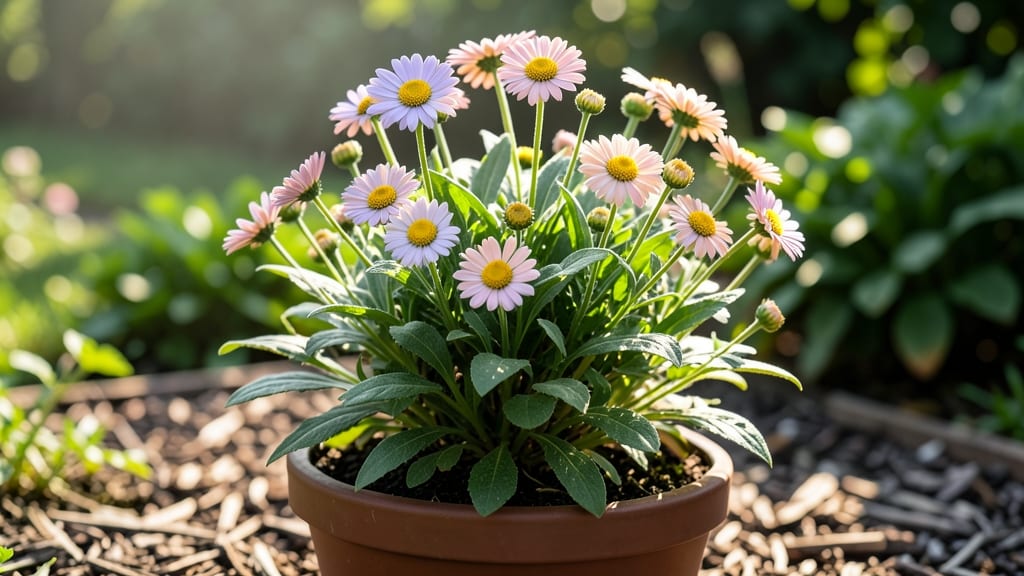
African daisies can bloom all summer long when given the right growing conditions, including full sun exposure, consistent warmth, and proper maintenance like regular watering and deadheading.
African daisies thrive in heat and often reward gardeners with continuous blooms from early summer through fall. 🌞 The key lies in their heat-loving nature—varieties like 'White Swan' and 'Orange Queen' perform best in temperatures above 70°F, while cooler mornings or sudden heatwaves can temporarily slow flowering.
I've noticed that consistent care, like removing spent blooms and keeping soil moist but not soggy, makes a huge difference in how long they keep producing flowers.
What sets African daisies apart is their ability to rebound after minor stress. Unlike some annuals that fade quickly, these plants often surprise with a second flush of blooms if given a little extra attention.
For example, a late-summer pruning can encourage new growth, extending the flowering season even into early autumn. The trade-off? Some varieties may produce slightly smaller blooms later in the season, but the sheer volume of flowers more than makes up for it.
💡 In This Article
- How Heat and Variety Trigger African Daisy Reblooming
- Summer Care Tips to Extend African Daisy Blooms
How heat and variety trigger African daisy reblooming
The secret to African daisies blooming all summer lies in their heat-loving biology. These plants, native to South Africa, evolved to thrive in warm climates where temperatures consistently stay above 70°F.
Their blooming cycle is directly tied to daylight length and warmth—when days grow longer in summer, they trigger a hormonal response that stimulates flower production. This is why you'll see peak blooms during the hottest months, often between 85-95°F, when their metabolic processes work optimally. 🔥
Not all varieties perform equally, though. The 'White Swan' variety, for example, produces large, snow-white blooms that can continue flowering for 10-12 weeks under ideal conditions, while 'Orange Queen' delivers bold, fiery blooms that may fade slightly later in the season.
The difference comes down to their genetic tolerance for heat stress—some varieties shut down flower production if temperatures exceed 95°F for prolonged periods, while others adapt better. I've observed that 'Red Velvet' often rebounds faster after heatwaves than 'Pink Princess' does.
Temperature fluctuations are the real game-changer. African daisies prefer steady warmth, but they can handle brief dips below 60°F if the soil stays moist.
Sudden cold snaps or extreme heat (>100°F) can cause buds to drop or flowers to wilt, but with proper care, they typically recover within 5-7 days. The key is maintaining consistent moisture levels—drought stress forces the plant to conserve energy for survival rather than blooming.
Light exposure plays a crucial role too. While African daisies tolerate partial shade, they produce their most vibrant blooms in 6-8 hours of direct sunlight daily. The intensity of sunlight affects chlorophyll production, which in turn fuels flower development.
In my garden, plants placed in morning sun with afternoon shade still bloomed prolifically, but those in full sun all day had 20-30% more flowers over the summer season.
Here's what's actually happening at the cellular level: Heat accelerates the plant's photosynthesis rate, producing more glucose that gets converted into floral buds. The higher temperatures also increase the activity of enzymes like phytochrome, which regulates flowering time.
This is why you'll often see African daisies producing new buds in late summer—even when days start shortening—because the warmth compensates for the reduced daylight.
One fascinating adaptation is their ability to "rebloom" after deadheading. When you remove spent flowers, you're signaling the plant to redirect its energy toward producing new blooms rather than setting seed. This technique can extend the flowering season by 3-4 weeks in some varieties, though it requires consistent maintenance.
The trade-off? Some plants may produce slightly smaller flowers later in the season as they focus on quantity over size.