
Blooming
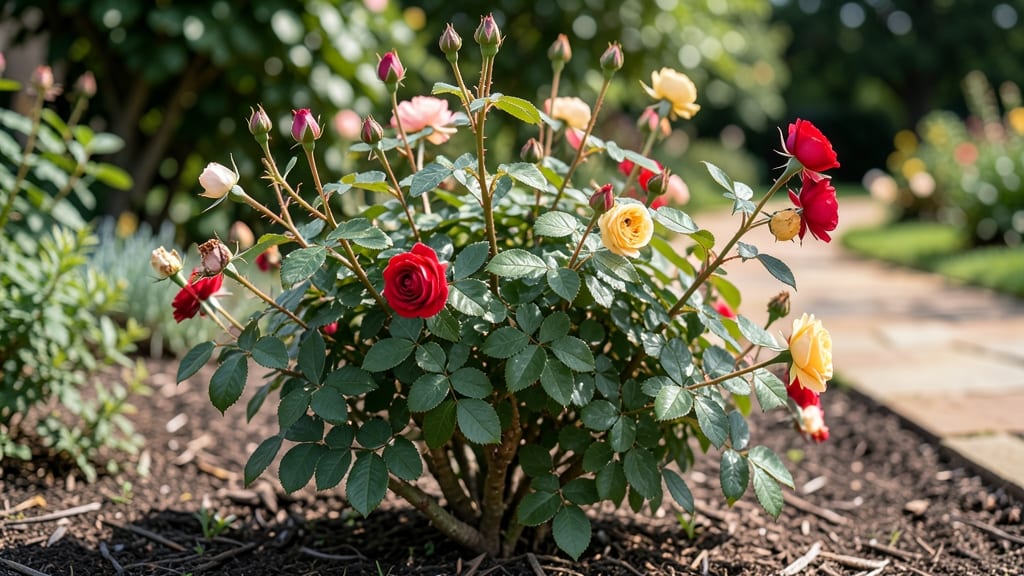
Roses bloom in Michigan between late May and October, with peak seasons varying by variety—hybrid teas and grandifloras typically bloom in June and September, while shrub roses may extend into early November depending on the region and climate zone.
Michigan's climate creates a beautiful rose-blooming window that lasts nearly half the year, but timing depends heavily on your location and rose type. 🌸 In the northern regions (like Traverse City), cooler temperatures delay blooms until early June, while southern areas (like Detroit) may see early blooms as soon as April for hardy varieties.
The key difference lies in Michigan's USDA hardiness zones 5b-6a, where frost dates can shift bloom windows by several weeks.
What's fascinating is how rose varieties adapt to these conditions. Climbing roses often bloom later in the season, sometimes lasting until mid-November if protected from early frosts, while grandifloras tend to concentrate their blooms in June and September.
I've noticed that well-established shrub roses in zone 6a can sometimes push their blooming season even further, especially with proper care and protection.
For gardeners looking to extend their rose season, strategic pruning in early spring and consistent moisture management can make a significant difference. Deadheading spent blooms encourages new growth, while mulching helps regulate soil temperature—both critical factors in Michigan's variable climate.
The right approach can turn what might be a 6-week bloom period into a stunning 5-month display.
💡 In This Article
- Michigan Rose Blooming Seasons by Variety and Hardiness Zones
- Extending Rose Blooms in Michigan: Pruning and Care Tips
Michigan rose blooming seasons by variety and hardiness zones
Michigan's rose blooming seasons are primarily dictated by its USDA hardiness zones 5b-6a, where average last spring frost dates range from mid-April in southern Michigan to late May in the northern Lower Peninsula.
This frost timeline creates a natural gradient where roses in Detroit may begin blooming as early as April for hardy varieties like 'Dr. Huey', while those in Traverse City typically wait until early June.
The difference comes down to heat accumulation—roses need 1,000-1,500 growing degree days to trigger blooming, and northern Michigan's cooler springs delay this threshold.
Rose varieties play an equally crucial role in bloom timing. Climbing roses like 'New Dawn' often bloom later in the season (August-October) because their canes require more energy to mature before flowering.
Meanwhile, hybrid teas such as 'Double Delight' concentrate their blooms in June and September, aligning with Michigan's two main heat peaks.
Shrub roses like 'Knock Out' are the exceptions—they bloom continuously from May through October due to their unique growth habit of producing flowers on new wood, not just old canes.
The visual difference is stunning: hybrid tea gardens look like they're in peak bloom twice a year, while shrub roses create a lush, continuous display.
Frost risk creates dramatic regional differences. In northern Michigan (zone 5b), early fall frosts can arrive as soon as mid-September, cutting short blooms of varieties like 'Iceberg' unless they're protected.
Southern Michigan (zone 6a) enjoys 2-3 extra weeks of bloom potential because the first frost typically doesn't hit until late October. This is why gardeners in Ann Arbor can often enjoy roses blooming through early November—the extended growing season allows late-season varieties to mature fully.
The science behind this involves chilling requirements: most roses need 300-600 hours below 45°F to break winter dormancy, which northern Michigan provides earlier in spring but at the cost of shorter fall seasons.
What most gardeners don't realize is how soil temperature affects bloom timing. Roses planted in sandy soils (common in northern Michigan) warm up faster in spring but dry out quicker, which can stress plants and delay blooming.
In contrast, clay soils in southern Michigan retain moisture longer, creating more stable growing conditions. The difference shows up in bloom quality: roses in southern Michigan often produce larger, more vibrant blooms because they experience less environmental stress.
This is why 'Queen Elizabeth' roses in Detroit might bloom 3-4 weeks earlier than identical plants in Grand Rapids.
For those tracking bloom windows, here's a practical comparison between Michigan's two main rose-growing regions:
- Southern Michigan (Detroit area, zone 6a): First blooms April-May for early varieties, peak in June and September, potential blooms through early November
- Northern Michigan (Traverse City, zone 5b): First blooms late May-early June, peak in July-August, typically ends by mid-October unless protected
The most dramatic examples come from repeat-flowering varieties like 'The Fairy' or 'Mister Lincoln'. In protected microclimates (like south-facing walls), these can produce three distinct bloom cycles in Michigan—early spring, mid-summer, and fall.
The secret lies in their ability to produce flowers on both old and new wood, combined with careful pruning to remove dead growth while preserving flowering canes. 🌸