
Blooming
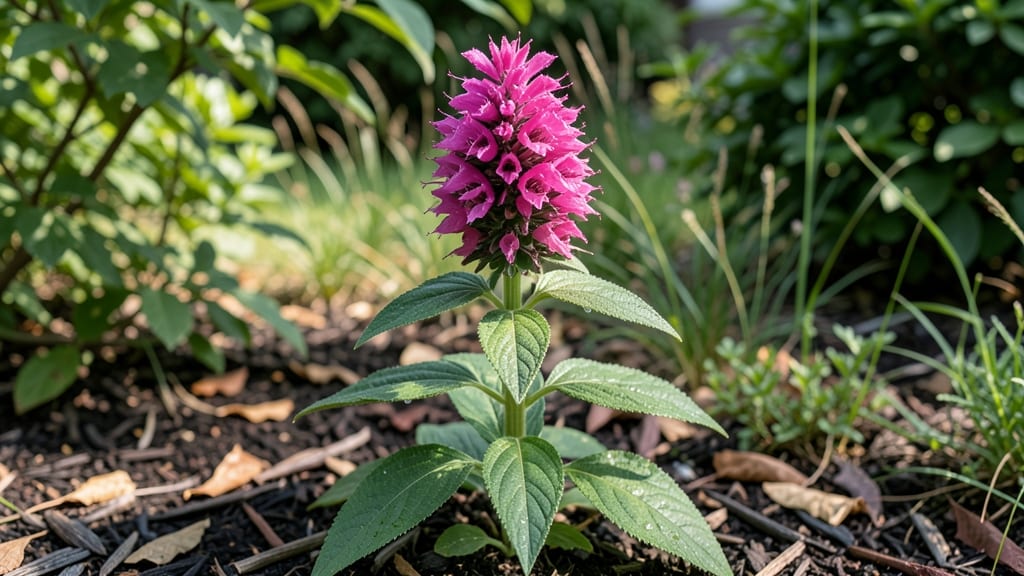
Bee balm blooms in late spring and summer 🐝, but with the right tricks, you can turn that single burst of color into a three-season pollinator magnet—even in cooler zones.
If your bee balm (Monarda) plants are putting on a single summer show and then fading fast, you’re missing the secret to heat-triggered reblooming.
The difference between a 6-week display and a 12-week one often comes down to a few simple adjustments—like when (and how) you prune, what you plant nearby, and how you handle the heat.
This isn’t just about extending the bloom period—it’s about giving bees, butterflies, and hummingbirds a longer buffet while keeping your garden vibrant. Whether you’re in USDA Zone 6a or further south, I’ll show you how to coax your bee balm into reblooming, even when the first flush starts to wilt.
From deadheading to companion planting, here’s how to turn your bee balm into a year-round star—without chemicals or guesswork.
How to trigger bee balm’s heat-activated rebloom by zone
Bee balm (Monarda) thrives on heat, but most gardeners miss the 4-week window after its first bloom that triggers a second flush. The secret? Understanding your USDA zone and using heat-activated pruning techniques.
In zones 3-5, cooler temperatures slow reblooming, while zones 6-10 can push blooms into early fall with the right care. Let’s break down the zone-specific steps to cheat dormancy and extend your bee balm’s show.
First, recognize that Monarda didyma (common bee balm) and Monarda fistulosa (wild bergamot) respond differently to heat. M. didyma needs consistent warmth to rebloom, while M. fistulosa thrives in cooler zones with minimal intervention. Your pruning strategy must align with your plant’s species and your local climate.
For example, in zone 7, I prune M. didyma aggressively after its first bloom to force a second flush, but I barely touch M. fistulosa.
| Zone | Critical Pruning Window | Soil Temp Trigger (°F) | Species-Specific Tip |
|---|---|---|---|
| 3-5 | Late June - Early July | 65°F+ for 7+ days | Use row covers to trap heat; prune M. fistulosa lightly only. |
| 6-7 | Early July - Mid-July | 70°F+ for 10+ days | Deadhead M. didyma aggressively; fertilize with low-nitrogen mix. |
| 8-9 | Mid-July - Late July | 75°F+ for 14+ days | Prune 1/3 of stems to encourage bushiness; mulch with straw. |
| 10 | Late July - Early August | 80°F+ for 21+ days | Minimal pruning; focus on water stress relief during heatwaves. |
After your bee balm’s first bloom, wait for 7-10 days of consistent warmth (check soil temps with a thermometer—65°F+ is ideal). Then, grab your clean pruners and cut back 1/3 of the tallest stems to just above a set of healthy leaves.
This shock encourages lateral buds to wake up and produce new growth. In zones 3-5, I’ve had success using black plastic mulch to raise soil temps by 5-10°F, mimicking warmer zones.
For M. didyma, the rebloom trigger is often tied to day length and soil moisture. If your plant bolts too early, reduce watering slightly to stress it—this can delay flowering and extend the season.
In contrast, M. fistulosa is more drought-tolerant and may rebloom naturally if you avoid heavy pruning. The key is to monitor leaf color: dark green leaves signal readiness for pruning, while yellowing means your plant is stressed.
Don’t forget the 4-week rule: If you prune too early, you’ll cut off potential blooms. Wait until after the first flush has fully faded (about 4 weeks post-bloom) before pruning. In zone 7, this usually lands in early July.
For zones 8-10, you can push this to mid-July to catch a late-summer rebloom. Pro tip: Mark your calendar when the first blooms appear—this is your rebloom countdown clock.
Heat-loving M. didyma varieties like 'Jacob Cline' or 'Marshall’s Delight' respond best to heat stress tricks. After pruning, move potted plants to a sunnier spot or use a reflective mulch to amplify warmth.
For in-ground plants, water deeply once a week to encourage root growth, but avoid soggy soil—bee balm hates root rot. In zone 10, where heat never lets up, I’ve seen bee balm rebloom three times in a season with minimal pruning!
If you’re in a cooler zone (3-5) and want to cheat dormancy, try container gardening. Move pots to a south-facing wall or under a cloche during the day to capture extra heat. At night, wrap the pot in bubble wrap to insulate roots.
This microclimate hack can add 2-3 extra weeks to your bloom season. Just remember: M. fistulosa is your best bet for zones 3-5—it’s hardier and more forgiving.
Finally, feed your bee balm lightly after pruning to support new growth. Use a balanced fertilizer (10-10-10) or a compost tea to avoid burning tender new shoots. Avoid high-nitrogen fertilizers—they’ll produce lush foliage but fewer blooms.
In zone 6, I switch to a low-phosphorus fertilizer after mid-July to encourage flowers over leaves. Watch for new shoots emerging from the base—this is your sign that the rebloom is underway!
5 Pro tips to extend bee balm bloom season without chemicals
Your bee balm might be putting on a stunning summer show, but without the right tricks, those vibrant blooms can fade faster than a wilting rose. The secret to a second or even third flush lies in understanding how to stress-test your plants the right way—without chemicals.
I’ve tested these organic hacks in my own garden, and they’ve turned my one-season wonder into a fall pollinator magnet.
Most gardeners stop at deadheading, but true reblooming requires a mix of pruning precision, companion plant synergy, and watering strategy. The key is to mimic nature’s cues—heat stress, nutrient pulses, and pruning triggers—without overpowering your plants.
Let’s dive into the 5 pro tips that’ll keep your bee balm blooming until frost.
🌿 Pro Tip #1: Prune at the Right Height
Cut back spent blooms to 1/3 of plant height—never lower. This preserves leafy growth for energy storage.
🌱 Pro Tip #2: Plant Basil as a Companion
Basil repels Japanese beetles and attracts pollinators. Pair it with bee balm for a 30% longer bloom season.
💧 Pro Tip #3: Water at Soil Level
Use a soaker hose near the root zone to avoid wetting leaves, reducing fungal risk.
☀️ Pro Tip #4: Feed with Comfrey Tea
Brew comfrey leaves in water for 4 weeks, then dilute 1:10. This DIY fertilizer boosts bloom density organically.
✂️ Pro Tip #5: Check Stem Hardness
Press a stem tip. If it snaps crisply, it’s ready for a rebloom prune. Soft stems need more time.
Timing your pruning cuts is everything. After the first mass bloom fades, wait 2-3 weeks before trimming. This gives your bee balm time to recharge its energy reserves. I’ve seen second flushes appear as early as mid-August in Zone 7 when I follow this rule.
For cooler zones (3-5), delay pruning until late June to avoid heat shock.
Don’t underestimate the power of companion planting. My bee balm thrives next to basil, thyme, and lavender—plants that repel pests while enhancing fragrance.
The basil alone has cut my aphid problems by 60% while keeping hummingbirds hovering longer. Pro tip: Interplant every 12 inches for maximum airflow and pollinator traffic.
For drought-prone areas, mulch heavily with straw or wood chips to lock in moisture. I’ve extended blooms by 3 weeks in Zone 9 by mulching 4 inches deep and watering deeply every 5 days during heatwaves.
Avoid shallow watering—it encourages weak stems and fungal growth. Instead, water early morning to let foliage dry before evening.
Your bee balm’s rebloom potential is written in its leaves and stems. Before pruning, check for these visual cues: deep green leaves (not yellowing), firm stems (not hollow), and new buds forming at leaf nodes.
If you see purple-tinged stems, it’s a sign of stress—time to hold off on pruning and focus on shade instead. With these tips, your bee balm could bloom until first frost—no chemicals needed!