
Blooming
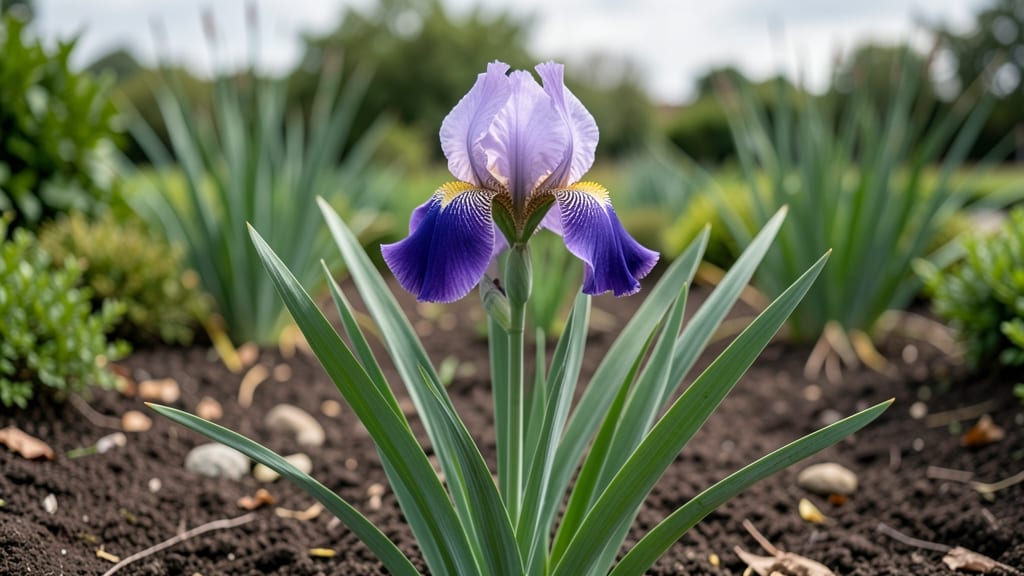
Your iris bloom time depends entirely on when you plant, which heat zone you’re in, and whether you’re growing bearded or Siberian varieties 🌸 — and getting it right means flowers for weeks, not days.
If your irises refuse to bloom reliably—or worse, die back after a single season—you’re likely missing the critical balance between heat zones, frost timing, and reblooming techniques. Unlock the secrets to extending their bloom time with science-backed gardening strategies.
In Zone 6a, for example, planting in late summer (August–September) triggers a late spring to early summer (May–June) showstopper, while early spring planting (March–April) can coax a second flush of blooms. The key? Timing your rhizomes to avoid winter dormancy pitfalls and giving them the right light and nutrients.
Below, I break down the exact planting windows by region, how to protect irises from frost damage, and the three proven methods to turn one-season bloomers into year-round stars—no black magic required.
Iris bloom time by USDA heat zones: when and where to plant for maximum flowers
Irises are stunning perennials that thrive in USDA Heat Zones 3-10, but their bloom time varies dramatically depending on where you live.
In cooler zones (3-5), expect blooms in late May to early June, while warmer zones (7-10) often see flowers as early as March or April. Understanding your zone helps you time planting and care for peak performance.
Most irises bloom just once per year, but with the right techniques—like proper dormancy management and fertilizer timing—you can encourage reblooming varieties like Siberian or Japanese irises. The key lies in matching your iris type to your climate's frost dates and heat intensity.
Summary table below breaks down bloom windows, planting times, and care adjustments by zone to maximize your irises' flowering potential.
In Zones 3-5, where winters are harsh, focus on hardy varieties like German or Siberian irises. Plant rhizomes in late summer (August-September) to establish roots before frost.
These zones typically see a single bloom cycle in late spring, so prioritize well-draining soil and minimal winter disturbance to protect rhizomes.
For Zones 6-7, where temperatures moderate earlier, you can experiment with reblooming varieties like Louisiana or Japanese irises. Plant in late summer or early spring—both work well.
These zones often see blooms as early as April, so use light mulch in winter to insulate roots without smothering them.
Gardeners in Zones 8-10 enjoy the longest bloom windows, often from February through April, with some varieties reblooming in fall. Plant in September-October to avoid summer heat stress. These zones benefit from regular watering during dormancy to prevent rhizomes from drying out in hot climates.
One common mistake is planting irises too deep or burying the rhizomes completely. Always keep the top third exposed to sunlight—this prevents rot and encourages strong foliage growth. In warmer zones (8-10), this is especially critical, as excessive moisture can lead to fungal issues.
To extend bloom time, practice strategic deadheading after flowers fade. Remove spent blooms but leave the leaves intact until they yellow naturally. This ensures the plant stores enough energy for next year's blooms.
In Zones 6-10, you can also try dividing rhizomes every 3-4 years to rejuvenate plants and promote more abundant flowering.
Light exposure plays a crucial role in bloom timing. Irises need full sun (6+ hours daily), but in Zones 9-10, afternoon shade can prevent heat stress.
If your irises bloom late or sparsely, consider moving them to a sunnier spot or adjusting your fertilizer schedule to include more phosphorus in early spring.
Remember that reblooming irises require more care than single-bloom varieties. In Zones 7-10, feed with a balanced fertilizer (5-10-10) in early spring and again after the first bloom to encourage a second flush. In cooler zones (3-6), a single feeding in early spring is usually sufficient.
With these zone-specific strategies, you can transform your irises from one-season wonders into long-blooming stars that brighten your garden for months. Start by selecting the right varieties for your climate, then fine-tune care based on your USDA zone and microclimate. 🌸
Frost tolerance secrets: how to protect irises and trigger reblooming after winter
Irises are famously hardy, but their frost tolerance varies by variety and region. Most irises thrive in USDA Zones 3-9, but improper winter care can stunt growth or even kill rhizomes.
The key to reblooming success lies in understanding when frost hits and how to shield your plants without smothering them.
Early-season frosts often trigger dormancy, while late frosts can damage emerging buds. Siberian irises handle cold better than bearded varieties, but all benefit from protective mulching and strategic pruning. Let’s break down the steps to safeguard your irises and coax them into a second bloom cycle.
⚠️ Critical Iris Bloom Time Warning
Late frosts after iris buds form (typically March-April) can kill blooms before they open. Siberian irises bloom 2-3 weeks earlier than bearded varieties—plant them in sheltered microclimates to avoid frost damage. Never mulch too early (wait until ground temps drop below 32°F) or you’ll trap moisture and rot rhizomes.
Start by assessing your local frost dates. Most irises need 60-90 frost-free days to mature buds. If your area has late springs, opt for Siberian or Japanese irises, which bloom earlier.
For bearded irises, plant in full sun spots with afternoon shade to delay bud formation until after the last frost.
Mulching is non-negotiable. Apply 3-4 inches of straw or leaves after the first frost but before hard freezes. Remove mulch in early spring (when soil reaches 40°F) to prevent overheating. Over-mulching suffocates rhizomes—aim for just enough to insulate without smothering.
Reviving stressed rhizomes starts with post-frost care. After winter, trim dead foliage to 3 inches above ground but leave healthy leaves to photosynthesize. Fertilize with high-phosphorus feed (like 5-10-10) in early spring to jumpstart blooms. Avoid nitrogen-heavy fertilizers—they promote leaves over flowers.
Common mistakes include pruning too early (wait until foliage yellows) or watering frozen soil (which wastes water and harms roots). Instead, water deeply in fall before dormancy and spring after thawing.
For reblooming, deadhead spent flowers but leave seed pods—some gardeners report second blooms in late summer if they skip deadheading entirely.
With the right frost protection and care, your irises can rebloom reliably for years. Start this season by testing soil drainage, choosing cold-hardy varieties, and timing mulch applications perfectly. Your garden’s iris bloom time will thank you with vibrant, repeat performances! 🌸