
Blooming
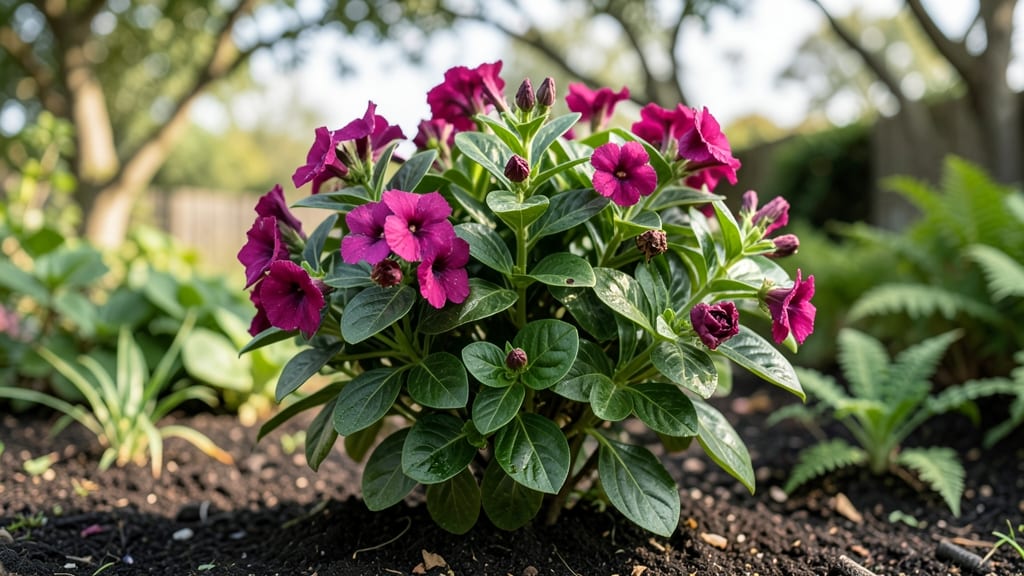
Impatiens bloom time stretches from early summer through fall 🌸, but most gardeners miss the trick to making those vibrant flowers last longer than a single season.
Wondering why your impatiens flowers fade faster than you’d like? The secret to extending their bloom time lies in understanding how light—specifically sunlight exposure—triggers reblooming cycles, often overlooked by gardeners.
In Zone 6, where impatiens thrive, they typically burst into color by June and keep going until frost. But with the right light conditions, you can coax them into reblooming well into September—or even later.
Below, I’ll break down how to read your plant’s light needs, the 3 biggest mistakes that cut blooms short, and simple adjustments to turn a one-season show into a continuous display of color.
How light levels directly impact impatiens bloom duration
If your impatiens seem to bloom for just a few weeks before fading, you’re not alone. Many gardeners overlook how light intensity controls their reblooming cycles. Unlike sun-loving flowers, impatiens thrive in partial shade, but too little or too much light can drastically shorten their bloom duration.
The key lies in understanding how sunlight triggers—or halts—flowering hormones in these delicate plants.
Impatiens rely on a balance of indirect sunlight to maintain continuous blooms. When exposed to direct afternoon sun, their leaves scorch, and energy shifts from flowering to survival. Meanwhile, deep shade slows photosynthesis, starving the plant of the energy needed to produce new blooms.
The science behind this? Photoperiodism—their internal clock responds to daylight length, but only when light levels are just right.
Here’s the critical insight: Morning sun (4-6 hours) fuels blooming, while afternoon shade prevents stress. This balance isn’t just about hours—it’s about light quality. Dappled sunlight, like through tree canopies, mimics their natural habitat in tropical understories, where they evolved to thrive.
| Light Condition | Bloom Duration | Plant Health | Reblooming Trigger |
|---|---|---|---|
| Partial Shade (4-6 hrs morning sun) | 6-10 weeks (continuous) | Optimal; dense foliage | Balanced photosynthesis |
| Full Sun (6+ hrs direct) | 2-4 weeks (early burnout) | Stressed; leaf scorch | Energy diverted to shade protection |
| Deep Shade (<3 hrs light) | 3-5 weeks (sparse blooms) | Leggy; weak stems | Limited energy for flowers |
| Dappled Sunlight (filtered) | 8-12 weeks (ideal) | Healthy; vibrant colors | Mimics natural habitat |
A common misconception is that impatiens need full shade to bloom. While they avoid harsh afternoon sun, they still require bright indirect light to photosynthesize efficiently. Think of it like a goldilocks zone—not too hot, not too cold, but just right.
Without enough light, the plant’s energy goes into growing leaves instead of producing flowers, cutting bloom time nearly in half.
Another overlooked factor is seasonal light changes. In summer, longer daylight hours can overwhelm impatiens if they’re in full sun. That’s why I always move my potted impatiens to a shadier spot by early June, even if they’ve been thriving in morning light all spring.
This simple adjustment can extend their bloom season by 3-4 weeks.
The reblooming cycle in impatiens is triggered by a hormone called florigen, which only activates under specific light conditions. When light levels drop in late summer, many gardeners assume their impatiens are done for the year—but with the right care, they can keep blooming until frost.
The trick? Pruning spent blooms and ensuring consistent light exposure prevents the plant from entering dormancy prematurely.
One of the biggest mistakes I see is assuming all shade-loving plants have the same light needs. Hostas and ferns, for example, tolerate deep shade, but impatiens need at least 4 hours of morning light to rebloom.
Without it, they’ll produce fewer flowers and weaker stems. I once had a client whose impatiens bloomed for just 2 weeks—until we moved them to a south-facing patio with a sheer curtain for filtered light.
For container gardeners, light placement is everything. A north-facing window might seem ideal, but impatiens need bright indirect light, not dim conditions. If your indoor impatiens aren’t blooming, try rotating the pot weekly to ensure even light exposure.
Outdoor containers should be placed where they receive morning sun and afternoon shade, such as under a tree with sparse branches or on a porch with a retractable awning.
Pro tip: If you’re in a high-sun climate, like the Southwest U.S., opt for white or silver impatiens varieties. Their lighter foliage reflects excess heat, allowing them to handle slightly more direct light without scorching.
Pair this with regular deadheading (removing spent blooms), and you’ll coax continuous blooms from late spring through fall.
Optimal light conditions for year-round impatiens reblooming
To extend your impatiens bloom time beyond the typical summer season, you need to master the art of light manipulation. These shade-loving beauties thrive on bright indirect light—think dappled sunlight through trees or morning rays—rather than harsh afternoon sun.
Without the right balance, their blooms will fade quickly, leaving you with leggy, sparse plants instead of vibrant displays. The key is creating consistent light exposure that mimics their natural habitat while adapting to seasonal changes.
Seasonal shifts can dramatically alter your impatiens' performance. During spring and fall, when sunlight is gentler, they'll naturally produce more blooms. But in summer's intense heat, too much direct sun can scorch leaves and trigger early dormancy.
Even in overcast climates, where natural light is limited, you can still coax continuous blooming with the right techniques. Let's break down exactly how to adjust light exposure for year-round success.
🌿 Step-by-Step Light Adjustments for Impatiens
- 🌞 Morning Sun Priority: Position plants to receive 4-6 hours of morning sunlight (6 AM–12 PM). Use sheer curtains to filter harsh rays if needed.
- 🌳 Afternoon Shade Shield: Move containers or prune nearby foliage to block afternoon sun (1 PM–5 PM), which causes leaf burn and bloom reduction.
- 💡 Artificial Light Boost: Supplement with LED grow lights (12–14 hours/day) in winter or cloudy periods. Place 6–12 inches above plants for even coverage.
- 🌧️ Overcast Climate Fix: Rotate pots weekly to ensure all sides receive equal light. Use reflective surfaces (mirrors or white walls) to bounce light onto shaded areas.
- ⏳ Seasonal Light Tweaks: In summer, increase shade by 30%. In winter, extend light exposure by 2 hours daily to prevent dormancy.
For container-grown impatiens, mobility is your best friend. Place pots near east-facing windows in summer and rotate them weekly to prevent uneven growth. If your space lacks natural light, full-spectrum LED grow lights (like those from Philips or Sylvania) are your secret weapon.
Position them 6–12 inches above the plants and run them for 12–14 hours daily during short-day seasons to mimic spring-like conditions.
Troubleshooting overcast climates requires creativity. If your impatiens look pale and sparse, they're crying out for more light. Try these tricks: Place reflective surfaces (like aluminum foil or white boards) behind pots to redirect light, or use adjustable shelving to layer plants at different heights.
Even a few extra hours of indirect light can double your bloom time in gloomy weather.
Remember, impatiens rebloom best when they receive consistent light without drastic changes. Monitor your plants weekly—if leaves yellow or stems stretch toward light, adjust their position immediately.
With the right light balance, your impatiens can bloom continuously from spring through fall, and even surprise you with winter blooms if given proper care.
Pro tip: Pair your light adjustments with regular deadheading (removing spent blooms) to encourage new flowers. This two-pronged approach—optimizing light and maintaining plant health—will transform your impatiens from seasonal stars to year-round showstoppers. 🌸