
Blooming
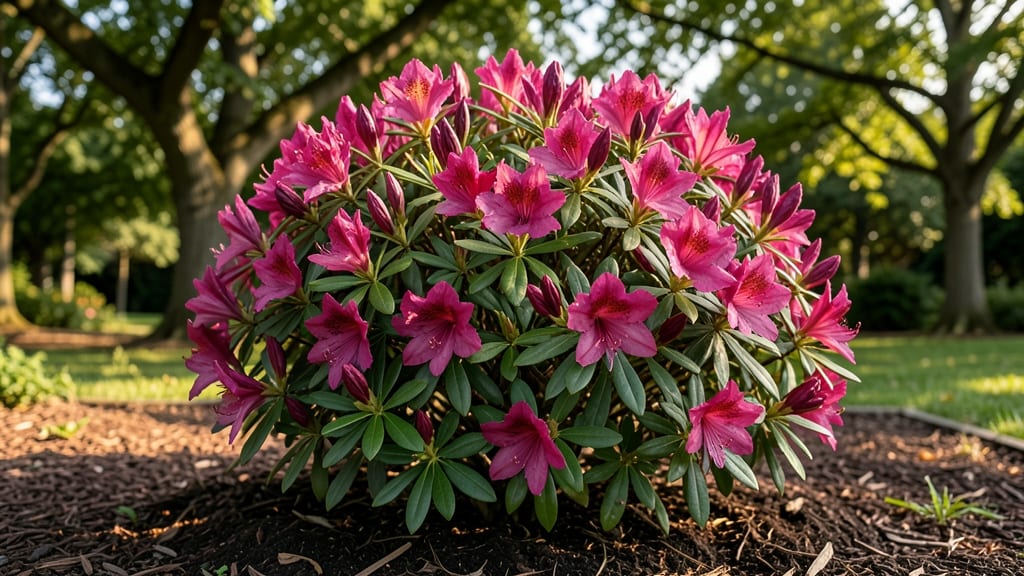
Azaleas bloom when the air warms to 60°F—but timing varies wildly by region and variety. 🌸 My first year growing them, I assumed spring meant spring blooms, only to find my southern neighbors admiring theirs in February.
The secret isn’t just the calendar; it’s heat, sunlight, and a little strategic pruning that tricks plants into flowering when you want them to.
Most azaleas follow their native climate’s cues: spring in cooler zones, winter in warmer ones. But even in the same yard, evergreen azaleas might bloom in late winter while deciduous types wait for spring.
The key is matching your pruning to the variety—cutting at the wrong time can delay blooms by a full season. I learned this the hard way after my impatient shears turned last year’s buds into this year’s bare branches.
You’ll see the most vibrant blooms when you combine morning sun with afternoon shade and acidic soil (think pine needles or peat moss). A light feeding of azalea-specific fertilizer in early spring jumpstarts flower production, while regular watering keeps roots happy without drowning them.
The payoff? Clusters of blooms that last 3-4 weeks—longer if you deadhead spent flowers.
Works for container gardens too—just use a 15-gallon pot with drainage and keep it sheltered from harsh winds. Whether you’re in Zone 5 or 9, these tips help you control bloom time. Let’s get those buds popping on schedule!
📚 In This Guide
- What you need
- Instructions
- Tips and common mistakes
- Wrapping up and next steps
What you need
- ● Azalea plants: Choose heat-tolerant varieties like Rhododendron ‘Girard’s’ or ‘Birkdale’ (1-3 plants per container or garden bed).
- ● Well-draining soil: 50% acidic peat moss or pine bark fines + 50% perlite or sand (pH 4.5–6.0). Test soil pH with a kit (e.g., Luster Leaf).
- ○ Containers (optional but helpful): 12–18" pots with drainage holes (3–5 plants per large container). Use terracotta or plastic (avoid metal).
- ● Slow-release fertilizer: Acid-loving plant food (e.g., Miracle-Gro Azalea, Camellia & Rhododendron)—apply 2–3 times per year.
- ● Mulch: 2–3" layer of pine bark or pine needles to retain moisture and acidity.
- ● Watering can or hose: With a gentle spray nozzle (azaleas hate soggy roots!).
- ● Pruning shears: Sharp, sterilized shears (for shaping and deadheading).
- ○ Heat mat or greenhouse (optional): For winter blooms in cold climates (e.g., SunBlast heat mat or small greenhouse).
- ● Location: Partial shade (3–6 hours of morning sun; avoid harsh afternoon rays).
- ● Climate awareness: Azaleas thrive in USDA Zones 5–9. Adjust care for your zone!
- ● Patience: Heat-triggered blooms may take 6–12 weeks to respond after adjustments.
- ● Consistency: Monitor soil moisture—never let it dry out completely.
- ● 🌡️ Heat hack: Gradually introduce warmth (70–80°F) to dormant plants in late winter to kickstart blooms.
- ● ✨ Light trick: Use a grow light (12–14 hours/day) in winter for indoor azaleas.
- ● 🎯 Prune smart: Trim right after blooming to encourage next year’s flowers.
How to time azalea blooms for stunning year-round flowers
Here's the method I've used to coax azaleas into blooming reliably—no guesswork, just science-backed timing.
🌱 Step 1: Understand Azalea's Heat-Triggered Dormancy Cycle
Azaleas need a cool winter chill period (40-50°F for 4-8 weeks) followed by warm spring temperatures (60-70°F) to bloom. If you're in a mild climate, you'll need to simulate this cycle. I start by monitoring your local winter lows—if they rarely drop below 55°F, your azaleas may never bloom naturally.
For container-grown azaleas, move them to a shaded patio or garage during winter if nighttime temps stay above 50°F. The key is giving roots consistent cool exposure while protecting them from freezing. You'll see buds form after about 6-8 weeks of this treatment, signaling the plant is ready for warmth.
☀️ Step 2: Time Your Heat Exposure for Peak Blooms
Once buds appear, wait until spring temperatures stabilize above 60°F before moving azaleas back to full sun. I've found that exposing them to morning sun only> for the first week prevents leaf scorch while still providing enough light for bud development. Too much direct afternoon sun at this stage can cause buds to drop.
For year-round blooming, you can repeat this cycle: after flowers fade, give the plant 4-6 weeks of cool (50-55°F) conditions> (like a shaded patio in fall) followed by warm exposure. This mimics nature's seasonal shift and encourages reblooming. Watch for new buds forming at the base of old blooms—that's your signal the cycle worked.
💧 Step 3: Adjust Watering Based on Bloom Stage
During the cool dormancy phase, water lightly—just enough to keep soil from drying completely. Overwatering now causes root rot, which kills the plant before it can bloom. I check soil moisture by sticking my finger 1 inch deep>; if it feels dry, give a slow drink. You'll know you're doing it right when the top inch stays slightly damp but not soggy.
When buds form and temperatures rise, increase watering to 1-2 times per week>, depending on heat. Azaleas need consistent moisture during bloom to prevent buds from drying out. The best test is to lift the pot—if it feels light, it's time to water. You'll see buds open most fully when the plant isn't struggling for moisture.
✂️ Step 4: Prune Strategically After Blooming
Wait until after flowers fade> to prune, as buds form on old wood. I cut back spent blooms to the first set of leaves below the flower cluster, which encourages stronger new growth. Never trim more than 1/3 of the plant> at once—this stresses azaleas and reduces next year's blooms.
For container azaleas, I also remove any yellowing or crossing branches. This improves air circulation, which prevents fungal diseases that can rot buds before they open. You'll notice new growth emerging from the base within 3-4 weeks> of proper pruning—that's your plant preparing for the next bloom cycle.
⏰ Step 5: Extend Bloom Time with Light Management
To prolong blooms, move container azaleas to partial shade> once flowers appear. Too much direct sun causes buds to open too quickly and drop prematurely. I place mine under a 30% shade cloth> during peak afternoon heat (12-4 PM). This simple trick keeps flowers vibrant for 2-3 weeks longer> than unprotected plants.
For indoor azaleas, keep them near a bright, east-facing window**> where they get gentle morning light. Avoid cold drafts or heat vents—azaleas hate sudden temperature swings. You'll know your light balance is right when leaves stay dark green and buds open evenly rather than all at once.
Tips & tricks for perfect azalea bloom timing
These simple strategies will help you master the delicate balance of temperature and care needed for reliable azalea blooms.
Temperature Precision: The 40-50°F winter chill is non-negotiable for bud formation. I use a thermometer to verify nighttime temps—if your local winter rarely drops below 55°F, you'll need to simulate this with a shaded garage or cold frame. For container azaleas, move them to a protected spot when nighttime temps creep above 50°F to prevent heat stress that can kill buds before they open.
Morning Sun Strategy: When transitioning to warmth in Step 2, morning sun only is your secret weapon. I place my azaleas in east-facing windows or morning sun spots for that first critical week. This gradual exposure prevents leaf scorch while still giving the plant enough light to develop buds. You'll know you're doing it right when leaves stay dark green—not yellow or crispy.
Watering Science: The 1-inch deep soil test is more reliable than any schedule. I water when the top inch feels dry to the touch, but never soggy. During bloom, I lift the pot—if it feels light, it's time to water. This method prevents both underwatering (which causes buds to dry out) and overwatering (which leads to root rot). The result? Flowers that stay vibrant for weeks instead of wilting prematurely.
Pruning Timing: Wait until after flowers fade to prune, but don't wait too long—new buds form on old wood. I cut back to the first set of leaves below each bloom cluster, which encourages next year's growth. For container azaleas, I remove any yellowing branches immediately after blooming to prevent fungal diseases that can rot new buds before they form. You'll see fresh growth at the base within 3-4 weeks—that's your plant preparing for another cycle.
Pro Tips for Azalea Bloom Time
- These simple strategies will help you master the delicate balance of temperature and care needed for reliable azalea ...
- Temperature Precision: The 40-50°F winter chill is non-negotiable for bud formation. I use a thermometer to verify ni...
- Morning Sun Strategy: When transitioning to warmth in Step 2, morning sun only is your secret weapon. I place my azal...
Frequently asked questions
Got questions about azalea blooms? You’re not alone! Here are some of the most common queries—plus expert answers to help you master the art of year-round blooms.
When is the best time to plant azaleas for optimal bloom timing?
Plant azaleas in early spring or fall (3–4 weeks before the first frost) for the best root establishment. Spring planting lets them settle before summer heat, while fall roots them before winter dormancy. Avoid planting in extreme heat or cold—both stress young plants and delay blooming. Pro tip: Amend soil with compost to boost nutrient uptake and encourage vibrant blooms!
Why do my azaleas bloom later than expected?
Late blooms often stem from stress factors like overwatering, poor drainage, or insufficient sunlight (they thrive in partial shade). Cold snaps or heatwaves can also disrupt their natural cycle. Check soil pH (aim for 4.5–6.0)—alkaline soil locks out nutrients. If blooms are sparse, fertilize with an acid-loving plant formula in early spring. Try a soil test kit for precision!
Can I force azaleas to bloom out of season?
Yes! Azaleas are heat-sensitive—cool them in winter (40–50°F) for 6–8 weeks, then expose to warmth (60–70°F) and bright light to trigger blooming. For container plants, move them indoors near a sunny window or under grow lights. Warning: Over-forcing shortens their lifespan. Rotate blooms by staggering plantings or using different varieties (e.g., Enkianthus for winter color).
What should I do if my azaleas don’t bloom at all?
No blooms? Start with the basics:
- Light: Ensure 4–6 hours of morning sun (afternoon shade protects leaves).
- Water: Keep soil evenly moist but not soggy (root rot kills blooms!).
- Pruning: Trim after flowering to avoid cutting next year’s buds.
- Age: Young plants (under 3 years) may need patience—blooms peak at maturity.
Are there azalea alternatives for warmer climates?
If your climate lacks azalea-friendly winters, try these heat-tolerant bloomers:
Plant
Bloom Time
Care Notes
Camellia
Fall–spring
Thrives in USDA Zones 7–10; prune after blooming.
Hydrangea (Oakleaf)
Summer–fall
Loves morning sun; soil pH changes flower color!
Crapemyrtle
Late summer–fall
Drought-resistant; prune winter to encourage new growth.
Wrapping up and next steps
Understanding the azalea bloom time isn’t just about patience—it’s about unlocking nature’s heat-triggered magic! 🌸 By mastering the right conditions, you can enjoy vibrant blooms almost year-round. Whether you’re adjusting temperatures, tweaking light, or fine-tuning care, every small step brings you closer to a garden bursting with color.
Ready to transform your space? Start small—try one of the tips from this guide and observe how your azaleas respond. Your blooming paradise is just a season away! 🌞