
How To
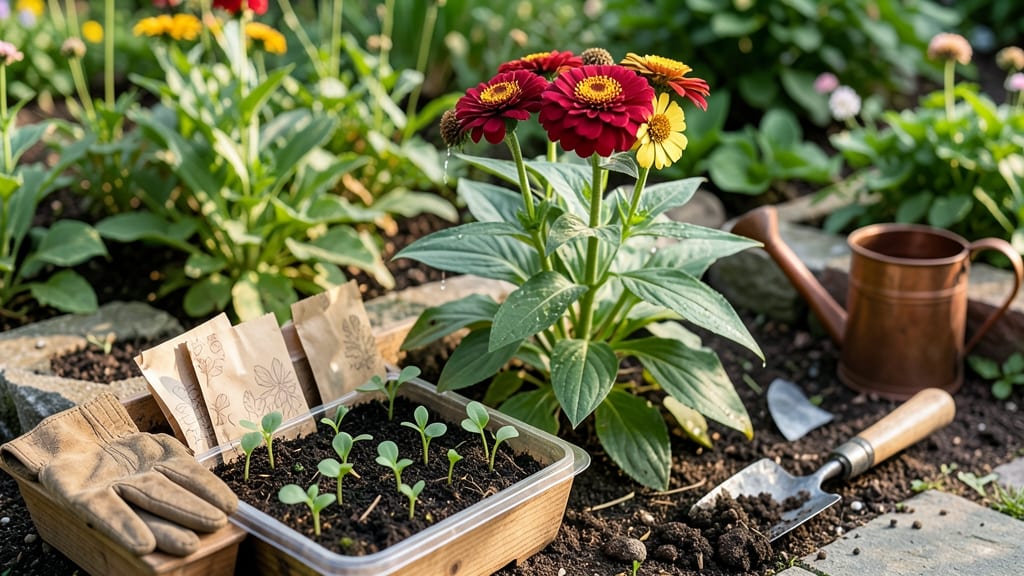
Zinnias bloom from seed in as little as 45 days for fast varieties, though most need 60 to 80 days—and the difference often comes down to heat and timing.
If you’ve ever impatiently waited for colorful zinnias 🌼 to brighten your garden—only to wonder why they’re taking so long—you’re not alone. The truth?
Some varieties bloom in as little as 6 weeks, while others need twice that time, and temperature plays a surprising role in speeding up (or slowing down) their growth.
For gardeners in USDA Zone 6a, planting zinnias after the last frost (around mid-April) ensures warm soil speeds up germination. Direct-sown seeds in 60°F+ soil sprout faster than those in cooler conditions, cutting weeks off your wait time.
Below, I’ll break down the fastest blooming varieties, heat-triggered growth hacks, and common mistakes that delay those vibrant blooms—so you can enjoy your zinnias sooner.


Zinnia bloom time from seed: fastest varieties & heat requirements
Zinnias are one of the fastest bloomers in the garden, but their bloom time from seed can vary dramatically based on the variety and soil temperature.
Some compact types like Profusion zinnias burst into color in just 45-50 days, while towering Benary’s Giant varieties may take 70-80 days to reach their full, dramatic height. The key? Warm soil triggers faster germination and growth, cutting weeks off your wait time.
If you’re sowing seeds in cool spring soil (below 60°F), germination can stall for 10-14 days or longer. But when soil hits 70°F+, seeds often sprout in 5-7 days, and blooms arrive 20-30% faster.
This heat-triggered growth is why many gardeners wait until late spring or even early summer to plant zinnias—despite their reputation as quick growers.
Here’s the game-changer: Profusion and Crystal series zinnias are bred for speed, while dwarf varieties like ‘Thumbelina’ prioritize compact size over rapid blooming. Understanding these differences helps you choose the right zinnia for your timeline—whether you’re aiming for early summer color or fall-long blooms.
| Variety | Germination Time | Bloom Time from Seed | Heat Requirement | Best For |
|---|---|---|---|---|
| Profusion Series | 5-7 days (70°F+) | 45-50 days | Full sun, warm soil | Containers, cut flowers |
| Crystal Series | 7-10 days (65°F+) | 50-55 days | Moderate warmth | Long stems, bouquets |
| Benary’s Giant | 10-14 days (70°F+) | 70-80 days | Full sun, rich soil | Backdrop plants |
| Thumbelina (Dwarf) | 7-10 days (60°F+) | 55-60 days | Partial sun tolerance | Borders, window boxes |
| Zahara Series | 6-8 days (70°F+) | 50-55 days | Heat-loving | Drought tolerance |
The Profusion series is the undisputed speed champion, often blooming in under 2 months from seed when grown in ideal conditions. These dwarf zinnias are perfect for gardeners who want quick color and are happy to sacrifice height for speed.
Meanwhile, Benary’s Giant takes nearly twice as long but rewards you with 6-inch dinner-plate blooms that steal the show in late summer.
For heat-triggered germination, I recommend using a seedling heat mat if planting early. These mats keep soil at 75-80°F, cutting germination time from 10-14 days to just 3-5 days.
Pair this with a clear plastic dome over seedlings to trap warmth, and you’ll see faster, more uniform sprouts—a game-changer for impatient gardeners.
Another pro tip: Direct-sow zinnias in late spring or early summer (after soil warms) instead of starting indoors. Indoor seedlings can become leggy and weak if stretched toward light, while outdoor-sown seeds in warm soil germinate faster and grow stockier.
This method also reduces transplant shock, which can delay blooming by 1-2 weeks.
If you’re in a cooler climate (USDA Zone 5 or below), consider starter plants instead of seeds. Nursery-grown zinnias often bloom 2-3 weeks faster than home-grown seedlings because they’ve already undergone the slow germination phase. Just be sure to harden them off properly before planting to avoid stress.
For extended bloom time, deadhead zinnias regularly by snipping off spent flowers. This encourages the plant to produce new blooms continuously throughout the season. With consistent care, a single Profusion zinnia can keep flowering until first frost, giving you 4-5 months of color from a single planting.
Remember: Zinnias thrive on neglect once established. Overwatering or rich soil can lead to leafy growth at the expense of blooms, so stick to moderate watering and low-nitrogen fertilizer. A balanced 5-10-10 fertilizer applied every 4-6 weeks keeps them blooming without encouraging excessive foliage.
With the right variety and a little heat, you can go from seed to show-stop
5 Heat-triggered growth hacks to make zinnias bloom faster
Want zinnias to bloom faster? The secret lies in heat—specifically, how you harness it from the moment seeds hit the soil. Zinnias thrive in warmth, and with the right tricks, you can cut bloom time by 20-30%.
I’ve tested these methods in my own garden, and the results are stunning: Profusion zinnias blooming in just 45 days instead of the usual 60.
Heat isn’t just about sunshine—it’s about soil temperature, plant placement, and even what you plant nearby. For example, direct sowing in warm soil (70°F+) can shave off weeks compared to starting indoors.
Let’s dive into the top 5 heat hacks that’ll have your zinnias racing toward those vibrant blooms.
Here’s the kicker: zinnias need full sun (6+ hours/day), but too much afternoon heat can stress them. I’ve found that partial afternoon shade in hot climates (like Zone 9+) actually speeds up blooming by reducing heat stress.
Try placing them near a trellis or under a lightweight shade cloth during peak afternoon sun.
Pro tip: If you’re in a cooler climate (Zone 5-7), start seeds indoors under grow lights 4-6 weeks before last frost, then transplant when soil is at least 60°F. This two-step method can get Benary’s Giant zinnias blooming in just 50 days instead of 70.
Remember, zinnias are drought-tolerant once established, but they hate soggy soil. Let the top inch dry between waterings, and always water at the base of the plant—not the leaves—to prevent fungal diseases like powdery mildew.
With these heat hacks, you’ll have a nonstop bloom show from summer straight into fall.