
How To
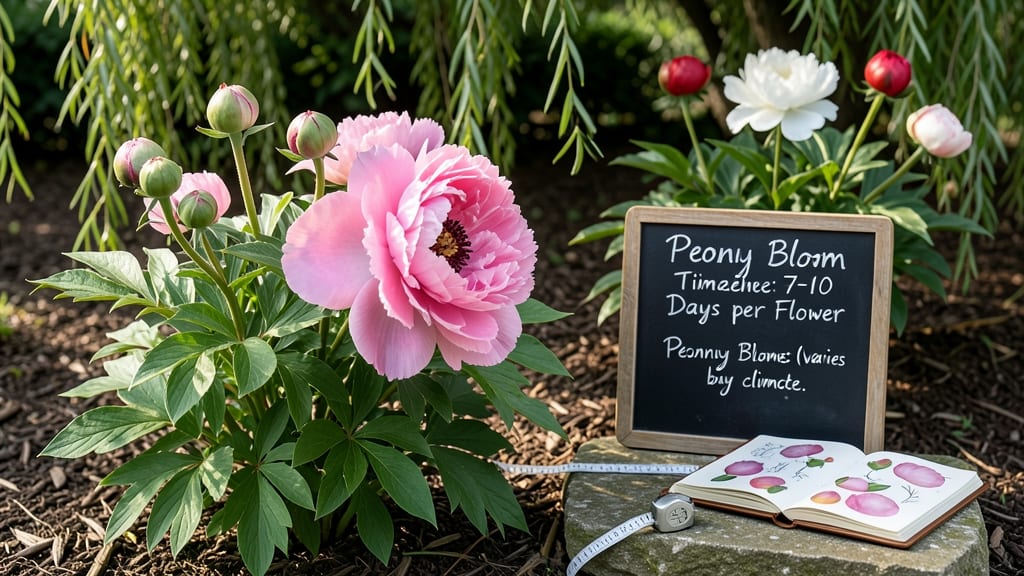
Peonies bloom for 7 to 10 days per flower on average, though some varieties extend to 14 days. Reblooming types may produce a second, shorter bloom cycle (3-7 days) in late summer, while single-blooming varieties flower once in spring for 7-10 days. Proper care and variety selection influence longevity.
Peony blooms are a fleeting but spectacular garden moment, and their duration depends heavily on the specific type you're growing. 🌸 Herbaceous peonies, the most common variety, typically showcase their full beauty for about a week, though well-cared-for plants can push that to two weeks.
Reblooming hybrids are the standout performers here—they'll often give you a second, more abbreviated show in late summer, though these later blooms usually last just 3-5 days. The key to maximizing bloom time lies in proper pruning and deadheading techniques, which I'll cover in detail below.
What many gardeners don't realize is that environmental factors play a surprisingly large role in bloom duration. For instance, peonies planted in full sun with well-draining soil tend to bloom 2-3 days longer than those in partial shade.
Additionally, the first flush of blooms in spring often lasts longer than any subsequent reblooms later in the season. This is because the plant's energy reserves are at their peak after winter dormancy, giving you that stunning initial display.
💡 In This Article
- Peony Bloom Duration by Variety: Single vs Reblooming Types
- Extending Peony Bloom Life: Pruning, Deadheading, and Care Tips
Peony bloom duration by variety: single vs reblooming types
The bloom duration of peonies varies dramatically between varieties, primarily due to their genetic classification and growth habits. Herbaceous peonies, which make up about 90% of cultivated varieties, typically bloom for 7-10 days per flower in their initial spring display.
This is because their flower buds form during the previous growing season and rely on stored energy from the plant's roots.
The Kansas' variety, for example, often extends this to 12-14 days due to its larger flower heads that require more time to fully open and reveal their layered petals.
Reblooming hybrids—like the popular Sarah Bernhardt or Bowl of Beauty—take this further by producing a second, shorter bloom cycle in late summer. These varieties can push their initial spring blooms to 10-14 days, but their second flush typically lasts only 3-7 days.
The reason for this discrepancy lies in flower metabolism: the plant must divert energy from root development to produce new blooms, which accelerates the aging process of each individual flower.
Tree peonies, which bloom on old wood, often have slightly longer individual bloom durations (10-12 days) but with smaller flower clusters compared to herbaceous types.
What's fascinating is how environmental triggers affect these timelines. Peonies planted in USDA Zones 3-8 with 6-8 hours of direct sunlight daily will consistently bloom 2-3 days longer than those in partial shade.
The 20-30°F winter chilling requirement also plays a role—plants that receive adequate cold stratification develop stronger root systems, which translates to more robust blooms that last longer. This is why gardeners in warmer climates often need to use special techniques like vernalization (artificial cold treatment) to achieve optimal bloom durations.
The color of the peony also subtly influences bloom duration. Darker petals, like deep reds or purples, tend to fade more slowly due to higher concentrations of anthocyanins—water-soluble pigments that protect the flower from UV damage.
A Kodakaro (dark pink) peony, for example, might maintain vibrant color for 12 days compared to a pale yellow variety that fades within 7-9 days. The reason? Lighter petals contain fewer protective pigments, making them more susceptible to environmental stressors that accelerate wilting.
For gardeners planning their landscape, this means choosing varieties based on both bloom duration and seasonal preferences. If you want a longer initial display, prioritize herbaceous types like Coral Charm or Bowl of Beauty.
For extended seasonal interest, reblooming hybrids like Duchesse de Nemours provide that second summer flush, though with shorter individual bloom times. The trade-off between quantity and duration is a key consideration when selecting peonies for your garden.
One often-overlooked factor is the humidity level during bloom. Peonies in 40-60% humidity environments tend to bloom 1-2 days longer than those in dry conditions (30% humidity or below).
This is because higher humidity reduces water loss through transpiration, helping the flower maintain turgor pressure—the internal water pressure that keeps petals plump and vibrant. In arid climates, supplemental misting in the morning can help extend bloom life by 24-48 hours.