
Blooming
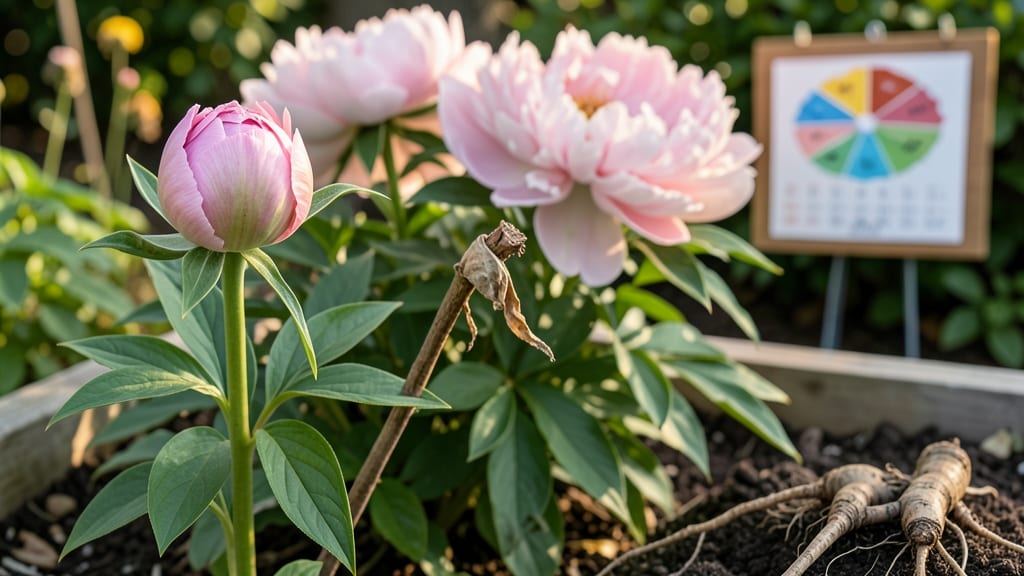
Peonies don't bloom every year—they typically wait 2–3 years before their first flowers, then may skip blooming entirely if they're stressed or improperly cared for. With the right sunlight, soil, and dormancy, you can encourage consistent annual blooms for decades.
Peonies are famous for their dramatic first bloom, but their flowering habits are more complex than most gardeners realize. 🌸 The plant often takes 2–3 years to establish strong roots before producing flowers, and even then, they might skip a year if conditions aren't ideal.
Think of it like a teenager—sometimes they need extra care before they're ready to shine. Proper sunlight exposure (at least 6–8 hours daily), well-draining soil rich in phosphorus, and allowing the foliage to die back naturally in winter are key to keeping them blooming reliably.
Many gardeners mistakenly prune too early or over-fertilize, which can actually prevent flowers from forming.
💡 In This Article
- Peony Blooming Cycle: Why They Skip Flowers
- Reviving Peonies: Soil, Sun, and Pruning Tips
Peony blooming cycle: why they skip flowers
Peonies follow a biological rhythm where their first flowers appear only after establishing a strong root system, typically taking 2-3 years from planting. This delay occurs because the plant prioritizes building energy reserves in its thick, fleshy roots—similar to how a tree invests in its trunk before growing branches.
The roots need to reach a depth of at least 12-18 inches to support flowering, which explains why shallow planting or poor soil drainage can delay blooms for years. 🌱
The flowering process itself is triggered by a combination of temperature shifts and daylight hours. Peonies are perennial plants that require a period of winter dormancy (below 40°F for at least 6-8 weeks) to reset their growth cycle.
Without proper dormancy—like in mild winters—the plant may skip flowering entirely, focusing instead on leaf growth. This is why peonies in warm climates often bloom less reliably than those in colder regions.
The science behind this involves a hormone called florigen, which signals flower formation only after the plant has stored sufficient energy.
Over-fertilization, particularly with nitrogen, is a common mistake that prevents blooming. While nitrogen promotes leafy growth, too much of it can lead to lush foliage but no flowers, as the plant diverts energy away from flower buds.
A balanced fertilizer with higher phosphorus (the middle number, e.g., 10-20-10) encourages root and bloom development. Additionally, peonies are sensitive to crowding—when roots become too dense, they compete for nutrients, often resulting in fewer or no flowers.
This is why dividing mature peony clumps every 5-7 years is essential for maintaining healthy blooms.
Another critical factor is the plant's age. Young peonies (under 3 years old) often produce only a few buds, while mature plants (over 5 years old) can develop 10-20 buds per stem.
However, even mature peonies may skip a year if stressed by drought, pests, or improper pruning. For example, cutting back foliage too early in the season removes the leaves that photosynthesize and feed the roots, starving the plant of the energy it needs to bloom the following year. 🌿
Here's what happens beneath the surface: Peony roots contain starch reserves that act like a battery, storing energy for future growth. When these reserves are depleted—due to poor soil, lack of sunlight, or over-pruning—the plant enters a survival mode, prioritizing root and leaf growth over flowers.
This is why peonies in partial shade (receiving less than 6 hours of sunlight) often produce fewer blooms, as photosynthesis is less efficient. The ideal sunlight exposure is 6-8 hours of direct sun daily, which maximizes energy production for both roots and flowers.
To encourage consistent blooms, focus on these three key elements: proper dormancy, balanced fertilization, and adequate sunlight. For instance, in USDA Zones 3-8, peonies thrive with winter temperatures below 40°F and summer highs around 75-85°F.
In warmer climates, provide afternoon shade to prevent heat stress, which can also trigger dormancy instead of flowering. With the right care, a single peony plant can bloom annually for 50-100 years, making the initial wait worth the long-term reward. 💫