
How To
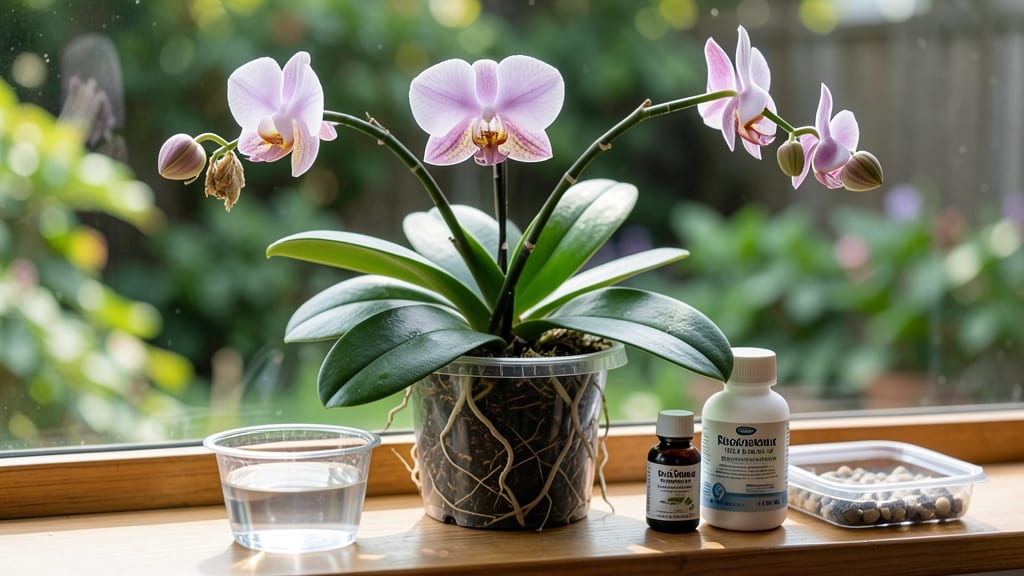
Orchids take anywhere from 3 to 12 months to bloom again after their first flower, depending on the variety and your care routine.
If you’ve been waiting patiently for your 🌸 orchid to rebloom and it’s been longer than expected, you’re not alone. The truth is, most orchids—especially Phalaenopsis—follow a natural cycle that can be nudged along with the right triggers.
Light, water, and even dormancy play a bigger role than you might think. A well-timed fertilizer boost or adjusting your watering routine can cut months off the wait. Below, I’ll break down the exact factors that control reblooming and how to get your orchid back in flower faster.
Whether you’re dealing with a slow-to-rebound Phalaenopsis or a seasonal Cattleya, you’ll learn the science-backed steps to encourage repeat blooms—without guessing.
Orchid reblooming timelines by variety: when to expect flowers again
Orchids are famous for their stunning blooms, but their reblooming cycles can feel like a mystery. The truth? Each variety has its own natural rhythm, influenced by light exposure, temperature shifts, and care routines.
Understanding these timelines helps you set realistic expectations—and even speed up the process with the right techniques.
For example, my Phalaenopsis orchids (the classic "moth orchid") often rebloom within 6-12 months under ideal conditions, while Dendrobiums may need a cool winter dormancy to trigger their next flush of flowers. Let’s break down what to expect for your favorite varieties—and how to encourage faster reblooming.
Phalaenopsis orchids are the reblooming champions of the indoor world, often delivering second blooms within 6 months if they receive bright indirect light and regular fertilizer. I’ve seen mine produce three blooms per year when given the right conditions—especially in spring and fall, when natural light peaks.
The key for Phalaenopsis is consistency. After the flower spike dies, I wait for a new pseudo-bulb to mature (about 3–4 months) before expecting another spike.
If you notice yellowing leaves or stunted growth, it’s a sign of underwatering or low light, both of which delay reblooming.
Dendrobium orchids, on the other hand, require a dormancy period to rebloom. These tropical beauties need cooler temperatures (50–60°F) and reduced watering in winter to set flower buds for the next season.
Without this cool-down phase, they may skip blooming entirely. I’ve learned this the hard way—my Dendrobium once went two years without flowers because I kept it too warm in winter!
For Cattleya orchids, the reblooming window stretches to 12–18 months, but with high humidity and warm nights, you can encourage faster cycles. These orchids thrive in east or west windows where they get morning or afternoon sun.
I repot mine every 2 years in spring to refresh the bark mix, which helps stimulate new growth and blooming.
Oncidiums, or "dancing lady orchids," are fast rebloomers compared to others, often returning flowers in 6–10 months. They love bright light and high humidity, making them perfect for bathroom windowsills or greenhouses.
I’ve noticed mine bloom more frequently when I mist them daily in dry climates—this mimics their natural tropical habitat.
Seasonal variations play a huge role in reblooming. In spring and fall, when daylight hours increase, orchids naturally gear up for blooming. I’ve found that moving my orchids to a sunnier spot in March triggers flower spikes 2–3 months earlier than usual.
Conversely, summer heat can stress orchids, causing them to hold onto buds or drop flowers prematurely.
To accelerate reblooming, focus on these three factors: light, temperature, and fertilizer. Use a balanced fertilizer (like 20-20-20) every 2–4 weeks during active growth, and supplement with phosphorus-rich fertilizer when you spot new spikes forming.
I also recommend rotating your orchids every few months to ensure even light exposure on all sides.
If your orchid isn’t reblooming on schedule, don’t panic—it might just need a little extra coaxing. Adjusting one or two care factors, like increasing light or providing dormancy, can make all the difference. With patience and the right approach, you’ll have vibrant blooms year-round! 🌸
5 Key triggers to make orchids bloom faster (science-backed methods)
Your orchid’s reblooming cycle isn’t just about luck—it’s a carefully timed response to specific environmental cues. By understanding these science-backed triggers, you can cut the wait from 12 months down to just 3-6 months.
The secret lies in mimicking natural conditions that signal your orchid to produce flower spikes.
Think of it like a light switch for blooming: too much or too little of the right stimulus, and nothing happens. But when you dial in the perfect balance of light exposure, temperature shifts, and nutrient timing, your orchid will respond with vigor.
Let’s break down the exact triggers that work.
🌱 Numbered Highlights: Fast-Track Your Orchid’s Reblooming
- 1. Light Exposure: Shift to 12-14 hours of bright indirect light daily. East or west windows work best, or use grow lights for 10-12 hours/day.
- 2. Temperature Fluctuation: Create a 10°F difference between day and night (e.g., 75°F day, 65°F night) to mimic seasonal changes.
- 3. Watering Strategy: Reduce watering by 50% for 4-6 weeks before expected blooming season to stress roots lightly.
- 4. Fertilizer Boost: Switch to a high-phosphorus fertilizer (10-30-20) every 2 weeks during spring/summer growth spurts.
- 5. Dormancy Trick: For Cattleyas/Dendrobiums, withhold water and fertilizer for 8-12 weeks in late summer to force dormancy.
🌸 Pro Tip: Combine these triggers 2-3 months before your orchid’s typical blooming season for best results.
Let’s start with light exposure, the most critical factor for triggering blooms. Orchids need bright, indirect light—think of it as a sunbath without the harsh rays. Place your orchid near an east-facing window or under grow lights for 12-14 hours daily.
If leaves turn dark green or yellow, it’s a sign of too little light.
Next, temperature adjustments play a surprising role. A 10°F difference between day and night temperatures mimics seasonal changes, signaling your orchid to produce flower spikes. For example, keep daytime temps around 75°F and nighttime temps around 65°F. This works especially well for Cattleyas and Dendrobiums.
Watering might seem simple, but strategic adjustments can speed up blooming. During active growth (spring/summer), water thoroughly when the top inch of mix feels dry. However, reduce watering by 50% for 4-6 weeks before the expected blooming season to create a mild stress response that triggers flower buds.
Don’t overlook fertilizer schedules, either. A high-phosphorus fertilizer (like 10-30-20) encourages blooming. Apply it every 2 weeks during spring and summer, but switch to a balanced fertilizer (20-20-20) in fall to support root growth. Always use half-strength doses to avoid burning roots.
Finally, some orchids—like Cattleyas and Dendrobiums—need a dormancy period to rebloom. Withhold water and fertilizer for 8-12 weeks in late summer or early fall. This mimics their natural dry season and often results in longer-lasting, more abundant blooms the following year.
By mastering these 5 science-backed triggers, you’ll transform your orchid’s reblooming cycle from a guessing game into a predictable, rewarding process. Start with one or two adjustments this season, and watch your orchid respond with stunning, timely blooms!