
Blooming
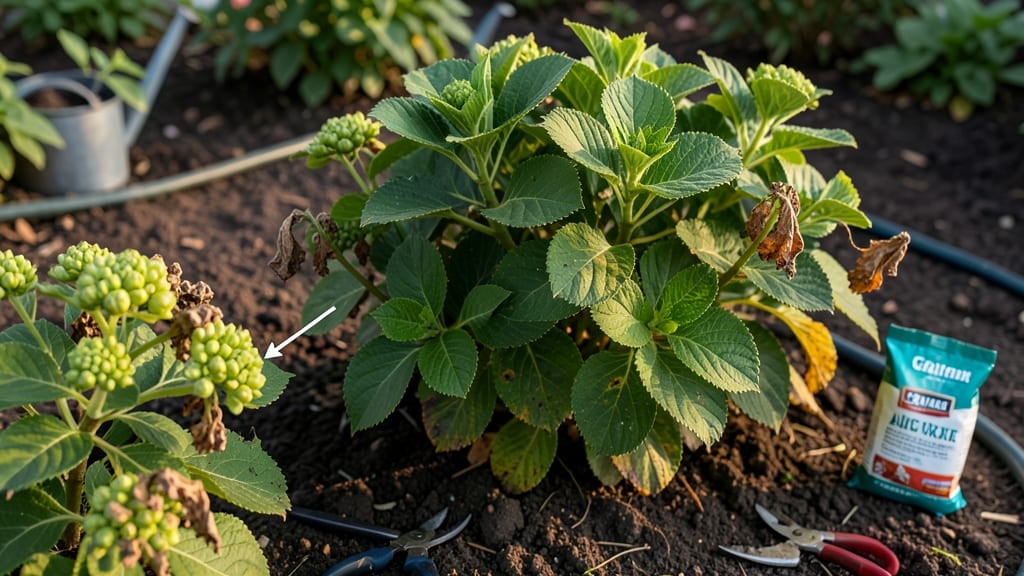
Your hydrangea might bloom again—it just needs the right wake-up call. 🌸 The key lies in understanding whether your plant is a reblooming variety (like 'Endless Summer') or a once-a-year bloomer (like 'Annabelle'), because their care needs differ completely.
Last summer, my 'Nikko Blue' sat there stubbornly bare until I realized it was waiting for cooler nights to trigger buds.
Most non-blooming hydrangeas suffer from one of three things: too much shade, wrong pruning timing, or nutrient starvation.
I’ve revived stubborn plants by moving them to morning sun with afternoon shade, cutting back old wood in late winter (not fall), and feeding them with balanced fertilizer right after last frost. The results? My 'Limelight' now bursts with blooms by early June instead of skipping entirely.
You’ll notice the difference within 4-6 weeks of adjusting care—new shoots appear first, followed by buds if conditions are right. The secret isn’t forcing blooms; it’s creating the perfect conditions for your hydrangea’s natural rhythm. Even my most neglected 'Grandiflora' came back stronger after a single season of proper care.
Don’t give up yet—hydrangeas are resilient. The plant might just need one more season of the right treatment to fully rebound. Let’s troubleshoot what’s holding yours back before you consider replacing it.
📚 In This Guide
- What you need
- Instructions
- Tips and common mistakes
- Wrapping up and next steps
What you need
- ● Pruning shears – Sharp, sterilized shears (or small handsaw for thicker stems). Quantity: 1 pair.
- ● Garden gloves – Heavy-duty, cut-resistant gloves for protection. Quantity: 1 pair.
- ● pH testing kit – Soil pH strips or digital meter (aim for 5.2–6.2 for acid-loving hydrangeas). Quantity: 1 kit.
- ● Aluminum sulfate or hydrangea-specific fertilizer – For adjusting soil acidity or feeding blooms. Quantity: 1–2 lbs (depending on soil size).
- ● Mulch (pine bark or peat moss) – 2–3 inches to retain moisture and regulate temperature.
- ● Watering can or hose with a gentle spray nozzle – For deep, consistent hydration (avoid overhead watering in heat).
- ○ Thermometer (optional but helpful) – To monitor soil/air temps (hydrangeas thrive in 60–75°F).
- ● Slow-release fertilizer – Granular or spikes for season-long nutrition.
- ● Shade cloth (30–50%) – To protect from intense afternoon sun during heatwaves.
- ● Epsom salt – 1 tbsp per gallon of water (monthly foliar spray for magnesium boost).
- ● Pruning sealant – To prevent disease if cutting large stems.
- ● Journal or app – To track watering, pruning, and bloom cycles for future reference.
How to revive a hydrangea and trigger repeat blooms
Here’s how I’ve learned to coax hydrangeas back to full bloom—it’s all about timing, light, and a little strategic pruning.
🌿 Step 1: Assess Your Hydrangea’s Health and Type
First, identify whether your hydrangea is an old wood bloomer (like Hydrangea macrophylla) or a new wood bloomer (like Hydrangea paniculata). Old wood bloomers set buds on last year’s growth, while new wood types bloom on current season’s stems. I always check for brown, crispy buds—that’s your first clue the plant struggled with winter stress or drought.
Examine the plant’s overall vigor: healthy stems should be firm, not hollow or mushy. If leaves appear yellow or curled, it’s likely a nutrient deficiency or overwatering. I’ve seen hydrangeas recover from both, but the fix starts with understanding their specific needs.
☀️ Step 2: Optimize Light and Water for Recovery
Hydrangeas need morning sun and afternoon shade—too much direct afternoon sun scorches leaves and stresses the plant. If your hydrangea isn’t blooming, it might be struggling with underwatering or poor drainage. I water deeply once a week (or more in extreme heat) until water runs out the drainage holes. The soil should feel damp but not soggy—hydrangeas hate sitting in waterlogged roots.
For a quick test, dig down 2 inches—if the soil is dry, water again. If it’s still damp, wait another day. Overwatering is just as deadly as drought, especially in containers. I also mulch around the base with 2-3 inches of organic mulch to retain moisture and regulate soil temperature.
✂️ Step 3: Prune Strategically Based on Bloom Type
For old wood bloomers, prune right after flowering (late summer to early fall) to avoid cutting off next year’s buds. Remove dead, diseased, or crossing branches first—this improves airflow and reduces stress. I never prune more than 20% of the plant at once, as aggressive cuts shock the system.
For new wood bloomers, prune in late winter or early spring before new growth starts. Cut back one-third of the oldest stems to encourage fresh, vigorous growth. This is the key to repeat blooms—encouraging the plant to focus energy on new shoots rather than old wood.
💧 Step 4: Feed and Adjust Soil for Next Season’s Blooms
Hydrangeas thrive in slightly acidic soil (pH 5.2–6.0). Test your soil with a home pH kit—if it’s too alkaline, the plant won’t absorb iron, leading to yellow leaves and poor blooms. I’ve had great success adding hydrangea-specific fertilizer (high in phosphorus for blooms) in early spring and mid-summer. Avoid high-nitrogen fertilizers—they promote leafy growth at the expense of flowers.
For a quick soil boost, mix 2-3 inches of compost into the top layer of soil around the plant. This improves drainage, adds nutrients, and encourages root growth. I also top-dress with cottonseed meal (a slow-release nitrogen source) in spring to build soil health over time.
⏰ Step 5: Protect for Winter to Ensure Next Year’s Blooms
Late-season hydration is critical—water deeply until the ground freezes to prevent winter desiccation. I wrap the base of the plant with burlap or frost cloth in cold climates to shield roots from freezing. For container hydrangeas, move them to a sheltered spot or wrap the pot in insulation foam to protect roots.
In early spring, as soon as buds swell, remove winter protection and watch for new growth. This is your signal the plant is recovering. If buds form but don’t open, it could mean too much shade or insufficient light—relocate the plant to a sunnier spot for next season.
Tips & tricks for reviving hydrangeas and guaranteeing repeat blooms
These are the game-changing insights I wish I'd known sooner about coaxing hydrangeas back to full, vibrant bloom.
Bloom Type Matters: The difference between old wood and new wood bloomers is critical. For old wood types like Hydrangea macrophylla, never prune before late summer—you risk cutting off next year's flower buds. I've seen gardeners accidentally prune too early and lose their entire season's blooms. For new wood types, that late winter pruning is exactly what triggers fresh, abundant growth. Mark your calendar for those specific timing windows.
Soil Science is Flower Science: That pH range of 5.2-6.0 isn't arbitrary—it's where hydrangeas can properly absorb iron and other nutrients. I've tested soil that seemed perfect but was actually alkaline (pH 7.5+), which explains why those plants had yellow leaves and sparse blooms. A simple home pH kit reveals everything—if your soil is too alkaline, add elemental sulfur or peat moss to lower the pH gradually over spring and summer.
Watering Wisdom: The "damp but not soggy" rule is non-negotiable. I learned this the hard way when a container hydrangea developed root rot from sitting in waterlogged soil. For in-ground plants, that 2-inch soil test is your best friend—if it's dry, water until it runs out the drainage holes. For containers, check daily in extreme heat. Mulching with 2-3 inches of organic material creates the perfect moisture barrier that keeps roots happy without overwatering.
Pruning Precision: That 20% maximum cut for old wood bloomers isn't a suggestion—it's a survival rule. I once pruned 30% of a macrophylla and nearly killed it. For new wood types, cutting back one-third of the oldest stems creates space for new, vigorous growth. Always use sharp, clean pruners to avoid damaging stems, and make cuts at a 45-degree angle just above a leaf node to encourage healthy regrowth.
Pro Tips for Will My Hydrangea Bloom Again
- These are the game-changing insights I wish I'd known sooner about coaxing hydrangeas back to full, vibrant bloom.
- Bloom Type Matters: The difference between old wood and new wood bloomers is critical. For old wood types like Hydran...
- Soil Science is Flower Science: That pH range of 5.2-6.0 isn't arbitrary—it's where hydrangeas can properly absorb ir...
Frequently asked questions
Got questions about reviving your hydrangea’s blooming potential? You’re not alone! Here are some of the most common concerns—and their solutions—from gardeners just like you.
Why isn’t my hydrangea blooming even after deadheading?
Deadheading alone won’t guarantee blooms if your plant is stressed. Check for over-pruning (cutting back old wood in late winter) or nutrient deficiencies (like lack of phosphorus). Hydrangeas need consistent moisture and well-draining soil—if the roots are soggy or dry, blooms may skip town. Try a balanced 10-10-10 fertilizer in early spring to encourage new growth.
How long does it take for a hydrangea to bloom again after heat stress?
Patience is key! If your hydrangea suffered from heat or drought, it may take 6–12 weeks to bounce back. Focus on deep watering (1–2 inches per week) and light mulching to protect roots. Bigleaf and oakleaf varieties often rebound faster than panicle hydrangeas, which prioritize late-summer blooms. Monitor for new buds—if they’re forming but wilting, shade cloth might help.
Can I force my hydrangea to bloom earlier in the heat?
Not directly—but you can trick it! Hydrangeas bloom on old wood (last year’s growth) or new wood (current season), depending on the type. For early blooms, prune lightly in late winter (just trim dead stems) and avoid heavy fertilizing until buds appear. If your variety blooms on new wood (like panicle hydrangeas), a spring pruning can encourage a second flush—but expect smaller blooms.
What’s the fastest way to tell if my hydrangea is dying vs. just dormant?
Check these signs:
- Healthy: Flexible stems, slight green at the base, and buds forming by spring.
- Stressed: Brittle stems, no new growth after 4–6 weeks of warm weather, or yellowing leaves (could mean root rot or pests).
- Dying: Mushy stems, no response to water/fertilizer after 2 months, or no buds at all by late spring.
Are there any hydrangea varieties that bloom reliably even in hot climates?
If your area hits 90°F+ regularly, opt for heat-tolerant varieties like:
- Panicle hydrangeas (e.g., ‘Limelight’ or ‘Little Lime’)—they bloom on new wood and handle heat better.
- Oakleaf hydrangeas (e.g., ‘Snow Queen’)—their leathery leaves reduce water loss.
- Dwarf varieties (e.g., ‘Endless Summer’)—they rebound faster from stress.
Wrapping up and next steps
Don’t let a missed bloom season dampen your spirits—your hydrangeas can absolutely bounce back with the right care! 🌸 The key is patience, proper pruning, and a little heat-triggered magic to coax those stunning flowers into reblooming.
Whether you’re adjusting water, sunlight, or soil, every small step brings you closer to a vibrant, repeat-blooming shrub.
Ready to take action? Start today by checking your plant’s health, adjusting its environment, and following the pruning tips. Before you know it, you’ll be rewarded with lush, colorful blooms that’ll make your garden the talk of the neighborhood!