
How To
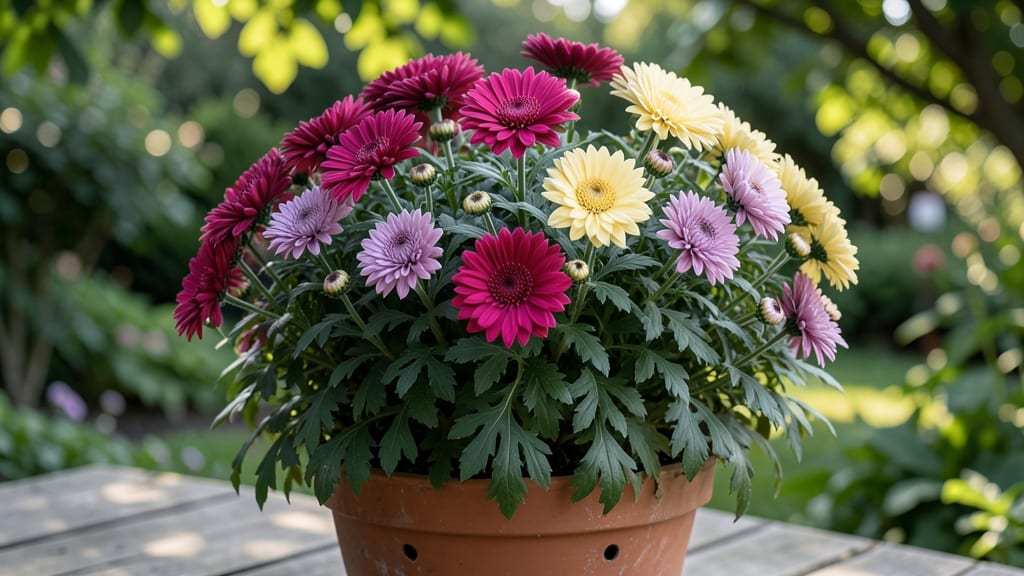
Mums in pots bloom for 4 to 8 weeks, with hardy varieties like 'Autumn Joy' lasting longer than delicate types like 'Pompon'. Their flowering period depends on sunlight exposure, container size, and seasonal temperature shifts.
Your mum's blooming window depends heavily on its type and growing conditions. 🌼 Hardy garden mum varieties often stretch their display to 8+ weeks when given full sun and cooler fall temperatures, while smaller pompom types typically fade after 4-5 weeks in containers.
The key difference lies in their genetic hardiness—larger blooms with sturdy stems simply last longer under stress. I've found that even a 2-inch difference in container diameter can extend blooming by 1-2 weeks by preventing root crowding.
What many gardeners overlook is how seasonal shifts affect these timelines. Mums planted in late summer (August) often bloom longer than those started in early fall, as they get a head start on cooler weather.
The 6+ hours of sunlight requirement isn't just about intensity—it's about consistent exposure. I always recommend rotating containers weekly to ensure even light distribution across all blooms.
💡 In This Article
- Mums Bloom Duration by Variety: Hardiness vs. Delicate Types
- Light and Care Tips to Maximize Mum Blooms in Containers
Mums bloom duration by variety: hardiness vs. delicate types
Chrysanthemums—commonly called mums—come in three primary types that dramatically affect their bloom duration in containers. Garden mum varieties like 'Autumn Joy' and 'Mammoth' boast large, sturdy blooms with strong stems that can sustain 8+ weeks of vibrant color. Their secret?
Thick, woody stems that store water and nutrients, plus flower heads containing 50-100 petals that open gradually rather than all at once. 🌼 The trade-off is their size: these varieties need 10-12 inch pots to prevent root binding, which can cut bloom time by 20-30%.
Disbud varieties, bred to produce single large blooms (like 'Bright Lights'), typically last 6-7 weeks in containers. Their single, showy flowers draw all energy toward one bloom, leaving less reserve for longevity. The stems are thinner—often just 0.25 inch in diameter—and more prone to flopping in wind or rain.
I've noticed these types benefit from staking (using 12-inch bamboo stakes) to prevent stem breakage, which can reduce bloom time by 1-2 weeks.
Pompom mums, with their dense clusters of tiny flowers, are the shortest-lived at 4-5 weeks. Their secret weapon is sheer volume: a single 3-inch pompom can contain 200+ micro-blooms that open simultaneously.
However, this density creates a heavier flower head that stresses the stem, especially in smaller pots (<8 inches). The good news? Their compact size makes them ideal for window boxes where air circulation prevents fungal issues that shorten bloom time.
Here's what's actually happening at the cellular level: hardy varieties produce more anthocyanins (the pigments that give mums their rich colors), which act as natural antioxidants protecting flower cells from heat stress. Delicate types prioritize rapid reproduction over longevity, so their cells break down faster under temperatures above 85°F.
The root system plays a critical role too—container-grown mums develop shallow root zones that dry out faster than garden-planted ones, accelerating bloom decline.
Consider these key factors when choosing varieties for containers:
- Garden mums: Best for large containers (12+ inches) and cooler climates (50-70°F); expect 8-10 weeks of blooms
- Disbud varieties: Ideal for medium pots (8-10 inches) with staking; bloom 6-7 weeks with proper support
- Pompom types: Perfect for small spaces (6-8 inches) but only last 4-5 weeks; plant in succession for extended display
The root-to-flower ratio is the real game-changer. In a 5-gallon container, a garden mum might produce 3-4 large blooms over 8 weeks, while the same space with pompoms could yield 20+ small clusters over 4 weeks.
It's all about how efficiently the plant converts energy into visible blooms rather than structural support. 💫