
Blooming
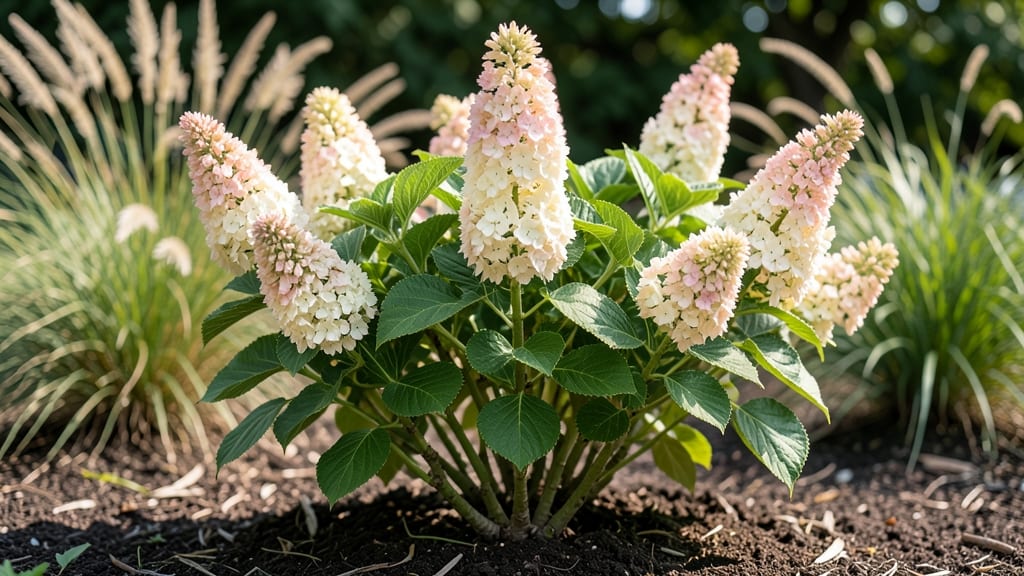
Panicle hydrangeas bloom on new wood because their flowers develop on current-season stems, unlike mophead varieties that rely on old wood. Pruning in late winter or early spring promotes fresh growth for abundant reblooms, though incorrect timing or aggressive cuts can stunt flowering. Popular varieties like 'Limelight' and 'Little Lime' excel with this growth habit, while others may need adjusted care for consistent blooms.
This growth pattern explains why some panicle hydrangeas produce fewer blooms than expected—new stems need proper nutrients and sunlight to develop flower buds. 🌿 The key difference from mophead types lies in their hormonal response: panicles rely on current-season growth triggered by auxins, while mopheads depend on dormant buds from previous years.
I've seen gardeners accidentally prune back too much, leaving no room for new blooms to form, so timing and technique matter more than you'd think.
For best results, focus on pruning after the plant's natural dormancy period but before new shoots appear. This gives the plant time to recover while still having enough energy to produce fresh growth.
Varieties like 'Limelight' often respond well to this approach, but if you notice sparse blooming, it might signal over-pruning or nutrient deficiencies.
💡 In This Article
- Why Panicle Hydrangeas Bloom on New Wood (And How It Differs from Mophead Types)
- Pruning and Care Tips to Maximize Panicle Hydrangea Reblooms
Why panicle hydrangeas bloom on new wood (and how it differs from mophead types)
Panicle hydrangeas produce flowers on new wood because their blooms develop from buds formed on current-season growth, unlike mophead varieties that rely on dormant buds from the previous year's stems.
This difference stems from their hormonal regulation: panicles rely on auxins, a plant hormone that promotes stem elongation and flower bud formation in fresh growth.
When you see those iconic cone-shaped blooms in late summer or fall, you're looking at flowers that formed just months earlier on stems that emerged in spring. 🌱
The botanical mechanism involves two key phases: first, the plant produces new stems in spring, and second, flower buds develop along these stems throughout the growing season.
Mophead hydrangeas, by contrast, form their buds in late summer on the previous year's wood, which is why they bloom earlier in the season.
This fundamental difference means panicles need completely different pruning approaches—cutting back old wood removes potential blooms, while mopheads benefit from selective pruning to preserve last year's flower sites.
Here's how it works in practice: when you prune a panicle hydrangea too late in the season, you risk removing next year's potential blooms before they've formed. The ideal timing is late winter or early spring, before new shoots emerge but after the plant has entered dormancy.
This gives the plant time to recover while still having enough energy to produce fresh growth. Varieties like 'Limelight' and 'Little Lime' thrive with this approach because they've been bred to maximize new wood production, but even these can struggle if pruned incorrectly.
The role of sunlight becomes critical here. New wood growth requires full sun exposure (at least 6 hours daily) to develop properly, while mopheads can tolerate more shade.
This is why panicles often produce fewer blooms in shaded gardens—their flowering mechanism demands more light for successful bud formation. 🌞 The plant's energy allocation shifts dramatically between old and new growth, which is why proper pruning timing becomes so crucial for panicle types.
Consider this comparison: a mophead hydrangea's flower buds are like savings in a bank account—formed last year, ready to bloom when conditions are right. A panicle hydrangea's buds are more like a checking account—spent and replenished each growing season.
This explains why panicles often produce more abundant but slightly later blooms compared to their mophead cousins, which rely on stored energy from previous seasons.
What most gardeners don't realize is that panicle hydrangeas can actually produce two types of blooms: sterile flowers (the showy ones) and fertile flowers (smaller, less noticeable). The sterile flowers develop later in the season on new wood, which is why proper pruning timing affects both bloom quantity and quality.
When you see those classic cone shapes, you're looking at flowers that formed just 3-4 months earlier on stems that emerged in spring.