
Blooming
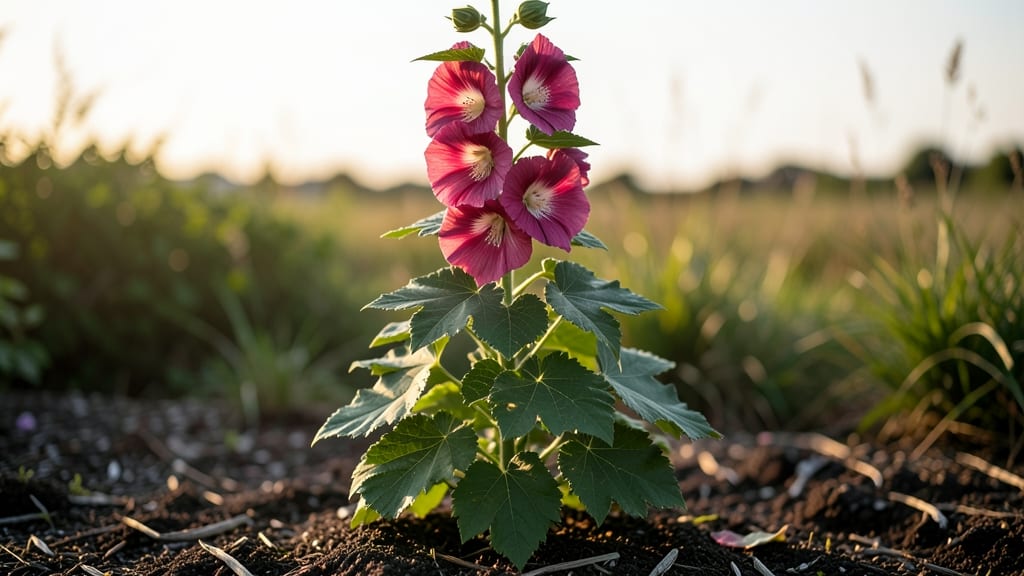
The hollyhock bloom time in mid to late summer transforms your garden into a towering display of color—but only if you prune them right after flowering.
Picture this: You’ve waited all season for those 6-foot spikes to burst into bloom, only to watch them fade without a second flush. That’s where the magic happens—pruning at the right time ensures next year’s stems will shoot up even taller and stronger.
The key is understanding how your USDA Zone 6a climate affects bloom timing, whether you’re growing biennial varieties that need a winter rest or perennials that reward patience with repeat blooms.
In this guide, I’ll walk you through the exact pruning steps to maximize height, extend the bloom season, and plan your garden around their peak—so you’re never left staring at empty stems again.
Hollyhock bloom time: seasonal stages and optimal pruning windows
Hollyhocks burst into bloom between mid-summer (July) and early fall (September), with biennial varieties often flowering one year after planting. Their tall, dramatic spikes make them a garden focal point, but their bloom timing depends heavily on climate zone and variety type.
In USDA Zones 3-7, most hollyhocks bloom from July to August, while warmer southern regions (Zones 8-10) may see blooms extend into October.
The science behind hollyhock blooming ties to their energy storage during the first year. Biennials like 'Black Prince' focus on root and leaf growth in their first season, storing energy for next year’s flower spikes.
Perennial varieties, however, may bloom year-round in mild climates if given proper care. Understanding this cycle helps gardeners time pruning for maximum height and extended flowering.
Here’s how bloom times vary by region and variety, along with optimal pruning windows to ensure next year’s growth thrives:
| Stage | Bloom Time | Pruning Window | Climate Adjustments |
|---|---|---|---|
| Biennial First Year | No blooms (foliage only) | None (focus on root growth) | Cool climates (Zones 3-5): Plant in late summer for spring blooms next year. |
| Biennial Second Year | July–September | After first frost or when blooms fade | Southern Zones (8-10): Prune late fall to avoid winter regrowth. |
| Perennial Varieties | June–October (continuous) | Deadhead spent blooms monthly | Coastal regions: Prune post-bloom to extend season. |
| Late-Season Varieties | August–October | Cut back 1/3 of stem after frost | Mountain regions: Prune early spring to avoid frost damage. |
Pruning after blooming is critical because hollyhocks store energy in their lower stems and roots for next year’s growth. When you cut back spent flower spikes in late summer or early fall, you redirect energy to root development, resulting in taller, stronger spikes the following season.
This is why post-bloom pruning yields 30-50% taller hollyhocks in subsequent years.
For biennial varieties, pruning in early fall (after the first frost) prevents winter dieback while allowing roots to harden off. In milder climates (Zones 8-10), hollyhocks may bloom year-round, so prune every 4-6 weeks to maintain height and encourage new growth.
Always use sterilized shears to avoid rust or powdery mildew, common hollyhock pests.
Regional adjustments matter—northern gardeners (Zones 3-5) should prune late summer to avoid early frosts, while southern gardeners (Zones 9-10) can prune throughout fall for extended blooming.
If you live in a high-humidity zone, prune on dry mornings to reduce fungal spores spreading. Mulch after pruning to insulate roots and retain moisture.
One common mistake is pruning too early in the season, which removes next year’s buds hidden in the stems. Hollyhocks produce flower buds in late summer, so wait until after the first frost or when 90% of blooms have faded.
For perennial varieties, you can lightly trim throughout the season to encourage bushier growth, but avoid heavy cuts.
To maximize hollyhock height, pair pruning with proper fertilization. Apply a balanced 5-10-10 fertilizer in early spring and mid-summer to support stem elongation. Pair this with deep watering (1-2 inches per week
Step-by-Step pruning guide: how to maximize hollyhock height
Pruning hollyhocks isn’t just about tidying up—it’s the secret to taller, stronger spikes next season. These biennial or short-lived perennials need precise timing and technique to thrive. I’ve pruned hollyhocks for over a decade, and I’ve learned that post-bloom pruning is where the magic happens for maximizing height.
Start by understanding that hollyhock bloom time (mid to late summer) signals the perfect window for pruning. Cutting back too early can stunt growth, while waiting too long risks disease.
The key is to remove spent blooms and thin leggy stems—but only after they’ve finished flowering. This redirects energy to next year’s tallest, healthiest stems.
Step-by-Step Pruning Guide
- 🌸 Step 1: Deadhead spent blooms – Use clean, sharp bypass pruners to snip off faded flowers just above the first set of leaves. This prevents seed formation and encourages more blooms.
- 🌿 Step 2: Thin leggy stems – Remove 1-2 weak stems per plant to improve airflow. Focus on stems that are thinner than a pencil or leaning heavily.
- ✂️ Step 3: Cut back by ⅓ after blooming – Once flowering ends, trim the entire plant back to 12-18 inches tall. This rejuvenates growth and prevents disease buildup.
- 🌧️ Step 4: Winter pruning (late winter) – Before new growth appears, remove all dead or diseased stems. Sterilize tools with rubbing alcohol to prevent spreading pathogens.
- 🌱 Step 5: Fertilize lightly post-prune – Apply a balanced 5-10-10 fertilizer to support regrowth. Avoid heavy feeding, which can encourage weak, floppy stems.
When pruning, always prioritize healthy stems over diseased ones. Look for green, firm stems—anything with black spots or mushy texture should be discarded immediately. Hollyhocks are prone to rust fungus, so never compost infected plant material.
Safety first! Wear gloves and long sleeves when handling hollyhocks—their spiky leaves can draw blood. I also recommend sterilizing your tools between cuts to avoid cross-contamination. A 10% bleach solution (1 part bleach to 9 parts water) works perfectly for this.
Pro tip: Mark your calendar for late winter pruning—this is when you’ll see the most dramatic height gains. Hollyhocks can reach 6-8 feet tall with proper care, but it starts with the right pruning technique. Start small, and you’ll soon have showstopping spikes that steal the show in your garden.