
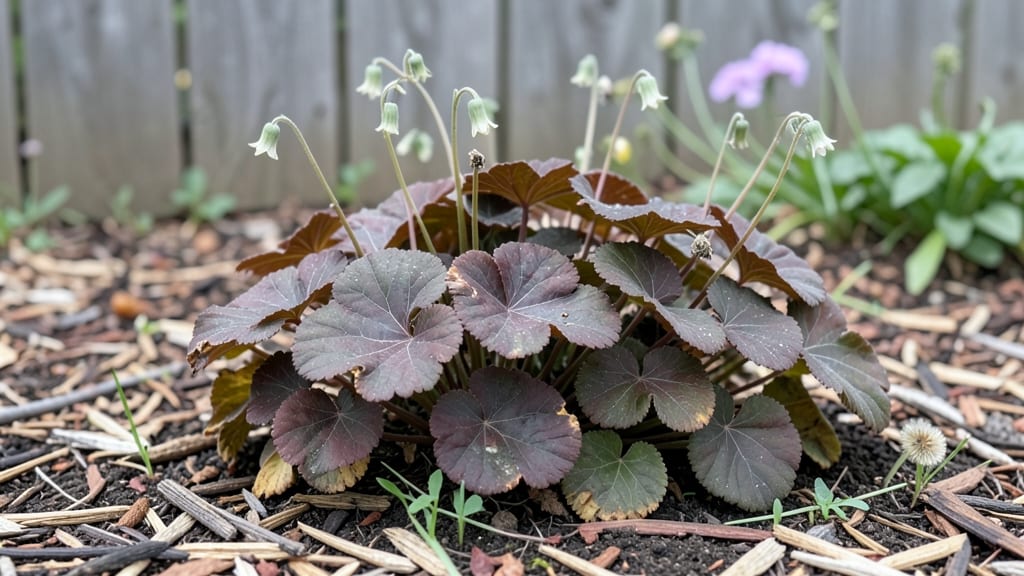
Heuchera Perennial Plants: 10 Low-Maintenance Varieties for Year-Round Color

Flowers

Heuchera Perennial Plants: 10 Low-Maintenance Varieties for Year-Round Color

Growing heuchera perennial plants 🌿 is the secret to adding bold color to your garden with almost no effort—these shade-loving stars thrive where other plants struggle.

Picture this: deep burgundy leaves that glow in winter, silvery foliage that sparkles in morning light, or chartreuse hues that brighten dark corners. Heuchera doesn’t just survive in partial shade—it thrives, offering year-round interest with almost zero fuss.

Whether you’re a busy gardener or a beginner with limited space, Heuchera adapts to containers, borders, and even rocky slopes. The key? Planting in well-draining soil during spring’s ideal window—March to April—and giving them just enough water to keep their roots happy without drowning them.

In this guide, I’ll walk you through 10 standout varieties, the exact care routine for lush growth, and creative ways to use them as the star of your shade garden. No more struggling with finicky plants—just vibrant, low-maintenance beauty that keeps coming back.

10 Best low-maintenance Heuchera varieties for year-round color

If you're looking for perennial plants that deliver bold foliage color with almost no fuss, Heuchera (commonly called Coral Bells) is your answer. These shade-tolerant beauties offer a rainbow of hues—from deep purple to chartreuse green—and thrive in containers, borders, or rocky gardens.

The best part? Once established, they require minimal care while providing year-round interest. Whether you have a sunny patio or a shady woodland garden, there's a Heuchera variety perfect for your space.

Choosing the right Heuchera variety depends on your climate zone, sunlight conditions, and garden style. Some varieties prefer full shade, while others tolerate morning sun, and their mature size can range from 6 inches to 2 feet tall.

Below, I’ve curated 10 of the best low-maintenance Heuchera varieties, each offering unique foliage colors and textures to elevate your garden’s visual appeal.

🌿

Variety Foliage Color Sunlight Needs Mature Size Hardiness Zones Best For
'Palace Purple' Deep purple-black Partial shade 12-18 inches 3-9 Containers, borders
'Lime Rickey' Bright lime green Partial to full shade 12-18 inches 4-9 Shade gardens, rockeries
'Berry Smoothie' Mixed berry tones Partial shade 12-15 inches 5-9 Woodland gardens
'Green Spice' Silver-green with burgundy veins Partial to full shade 12-15 inches 4-9 Containers, mixed borders
'Plum Pudding' Deep plum-purple Partial shade 15-18 inches 3-9 Shady patios, borders
'Caramel' Creamy caramel with pink edges Partial shade 12-15 inches 4-9 Rock gardens, containers
'Midnight Cherry' Deep maroon-black Partial shade 12-18 inches 3-9 Dramatic focal points
'Chocolate Ruffles' Dark chocolate with ruffled edges Partial to full shade 12-15 inches 4-9 Textural contrast gardens
'Lavender Lace'

How to plant and care for Heuchera perennials for longevity

Heuchera perennials are a gardener’s dream—they’re low-maintenance, drought-tolerant, and deliver vibrant foliage for years. The secret to their longevity lies in proper soil prep, strategic planting techniques, and smart seasonal care.

Unlike finicky annuals, Heuchera thrives with minimal fuss, making it perfect for busy gardeners or beginners. Let’s dive into the step-by-step process to keep your Heuchera looking stunning decade after decade.

Before you dig, test your soil drainage. Heuchera hates soggy roots, so amend heavy clay with organic matter like compost or perlite. Aim for a slightly acidic to neutral pH (6.0-7.0)—this ensures vibrant foliage colors.

If your soil is sandy, mix in a bit of peat moss to retain moisture. A well-prepared bed sets the stage for healthy growth and prevents common issues like root rot or leaf scorch.

🌱 Pro Tip for Planting Heuchera

Space plants 12-18 inches apart to allow airflow and prevent fungal diseases. For containers, use a mix of potting soil and perlite (70/30 ratio) to mimic well-draining garden soil. Plant slightly deeper than the nursery pot—this stabilizes the root ball and encourages stronger growth from the start.

When planting, dig a hole twice as wide as the root ball but only as deep. Gently loosen the roots if they’re circling and place the plant so the top of the root ball sits level with the soil surface.

Backfill with native soil, tamp lightly, and water deeply to settle everything. Mulch with 2-3 inches of shredded bark to retain moisture and suppress weeds. This simple step reduces watering needs by up to 40% while keeping the soil cool.

Watering is where many gardeners go wrong. Heuchera needs consistent moisture but hates soggy soil. Water deeply once a week (or bi-weekly in summer) rather than shallow daily sessions. Aim for 1 inch of water per week, adjusting for rain.

In containers, check soil moisture—if the top inch feels dry, it’s time to water. Overwatering leads to yellowing leaves, while underwatering causes crispy edges. A moisture meter helps avoid guesswork.

Pruning isn’t just for shaping—it’s about removing dead foliage and encouraging new growth. In early spring, trim any brown or damaged leaves at the base with clean, sharp pruners. Avoid cutting into healthy tissue, as Heuchera doesn’t regrow from old stems.

If your plant gets leggy, you can lightly prune the tips of the longest stems to promote bushier growth. Never prune in fall, as this can stress the plant before winter.

Winter care is minimal but crucial for long-term survival. In USDA Zones 3-5, mulch heavily (4-6 inches) with straw or leaves to insulate roots. In containers, move pots to a protected location like a garage or under eaves.

Heuchera is hardy, but freeze-thaw cycles can damage tender foliage. If your variety has delicate leaves, a light frost cloth adds extra protection. Resume normal care in spring once temperatures rise above 40°F.

With these simple steps—proper soil prep, strategic planting, smart watering, and seasonal adjustments—your Heuchera will reward you with years of lush, colorful foliage. The key is consistency: once established, these perennials are nearly self-sufficient. Happy gardening! 🌿

★★★★★4.5(1 review)
Categories Flowers