
Blooming
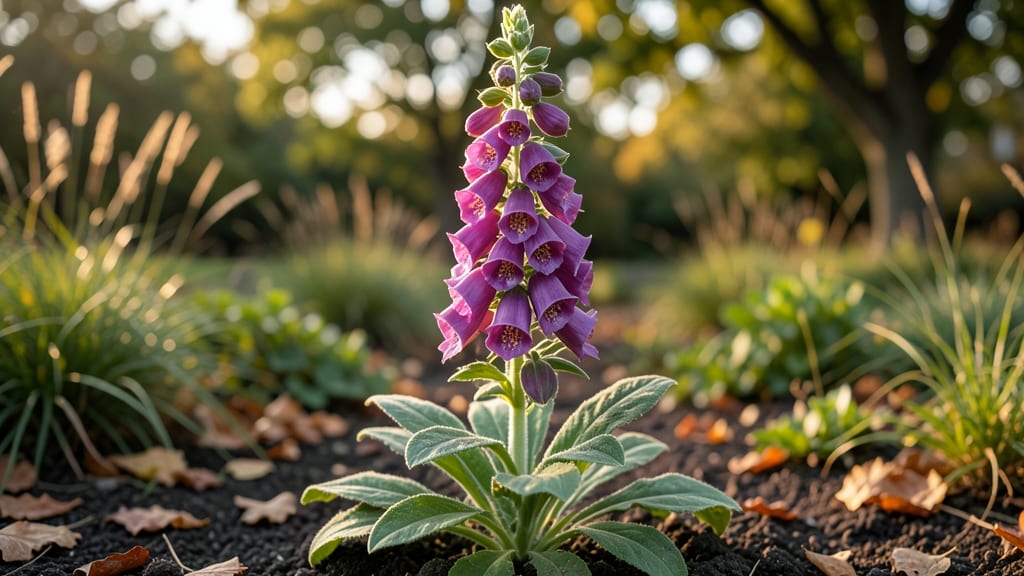
Foxglove blooms in mid to late summer 🌸, but timing can shift dramatically depending on the variety and where you live.
If you’ve ever waited eagerly for those towering spikes of bell-shaped blooms—only to see them lag behind schedule—you’re not alone. Some varieties burst into color as early as June, while others hold off until August, and cooler climates can push blooms even later.
The key to enjoying foxglove’s showstopping display lies in understanding your local growing conditions and choosing the right plants.
In Zone 6a, where spring planting is ideal, most foxgloves reach peak bloom between July and early September. But warmer zones may see earlier flowers, while colder areas could delay them until late summer or even early fall.
The good news? With a few simple adjustments—like deadheading spent blooms or adjusting soil fertility—you can coax your foxgloves to flower just a little earlier or stretch their season longer.
Below, I’ll break down exactly when to expect blooms from popular varieties, how your hardiness zone affects timing, and the easiest tricks to keep your foxgloves flowering for weeks. Ready to turn your garden into a vertical waterfall of color?
Foxglove bloom time by variety: when each cultivar peaks
Foxglove (Digitalis spp.) is a garden showstopper, but its bloom timing varies wildly by variety. Some burst into color in early summer, while others wait until late fall.
Knowing these differences helps you plan for non-stop color from June through September. The key is selecting the right mix of early, mid, and late-season bloomers for your garden.
Most foxgloves bloom on their second year after sowing, but variety-specific timing can shift your expectations by weeks. For example, Digitalis purpurea 'Pam's Choice' often blooms in mid-June, while Digitalis grandiflora might wait until late July.
Understanding these patterns lets you create a sequential bloom display that keeps your garden vibrant all season.
Below is a visual guide to foxglove bloom times, including color cues and height differences to help you identify each variety at different stages. This table covers the most popular cultivars, from the earliest to the latest bloomers, so you can strategically place them in your garden layout.
If you're planting foxglove for continuous color**, combine early bloomers like Digitalis ferruginea with late-season varieties such as Digitalis obscura. This creates a staggered bloom effect that keeps your garden looking full from June through October.
For example, plant 'Pam's Choice' in the back of your border for height, then add Digitalis grandiflora in front to bridge the gap between mid-summer and fall.
Watch for bud formation in spring—this is your first clue about bloom timing. Most foxgloves form buds in late April to May**, but the actual flowering depends on the variety.
For instance, Digitalis ferruginea often shows buds by mid-May**, while Digitalis obscura might not form buds until June. This gives you a head start on planning your garden layout.
Color can also help you identify bloom stages. Early bloomers like Digitalis ferruginea start with rusty orange flowers, while late-season varieties often produce softer pastels. Pay attention to these visual cues—they’re nature’s way of telling you when to expect the next wave of color in your garden.
Pro tip: Deadhead spent blooms from early varieties like 'Pam's Choice' to encourage a second flush of flowers. This can push bloom time by 2-3 weeks, especially in warmer climates. However, avoid deadheading late-season varieties like Digitalis obscura, as they rely on seed production for next year’s blooms.
For regional adjustments, remember that foxgloves in USDA Zone 5 may bloom 2-3 weeks later than those in Zone 8**. If you’re in a cooler climate, choose early bloomers like Digitalis ferruginea to extend your season.
In warmer zones, late bloomers like Digitalis obscura will thrive and keep flowering well into fall.
One of my favorite tricks is to plant foxglove near a water feature. The tall spikes reflect beautifully in ponds, and the extended bloom time means you’ll have stunning views from early summer through autumn. Plus, the moisture-loving nature of foxglove makes it a perfect companion for water gardens.
Finally, don’t forget that foxglove is self-seeding, which means your garden can evolve naturally over time. If you plant a mix of varieties, you’ll likely see a diverse bloom sequence** develop on its own—just be prepared to thin seedlings in spring to avoid overcrowding.
How USDA hardiness zones affect foxglove bloom time
Foxglove (Digitalis spp.) thrives in USDA Zones 3 through 9, but your specific zone dramatically impacts when those iconic bell-shaped blooms appear.
In warmer zones (8-9), foxglove often starts blooming as early as late winter to early spring, while in cooler zones (3-5), you might not see flowers until mid to late summer.
This shift happens because colder climates delay growth until soil warms, while milder winters allow earlier emergence.
Your last frost date is another critical factor. In Zone 6 (like much of the Midwest), foxglove typically blooms from June to August, aligning with summer’s peak warmth.
But in Zone 9 (Southern California), you could see blooms as early as February or March, while Zone 4 gardeners might wait until July for their first spikes. Understanding these patterns helps you choose varieties that sync with your local climate.
Here’s how your USDA Zone directly influences foxglove bloom timing, including early vs. late bloomers and tips for marginal zones:
If you live in a marginal zone (like Zone 5b or 7a), you can extend the bloom season by choosing the right varieties. For example, Digitalis ferruginea (rusty foxglove) often blooms earlier in cooler zones, while Digitalis purpurea (common foxglove) thrives in warmer climates.
Mixing varieties in your garden ensures continuous color from spring to fall, depending on your zone.
Another trick for cooler zones is to plant foxglove near a south-facing wall or in a microclimate where soil warms faster. This can push bloom times forward by 2–4 weeks.
Conversely, in hotter zones (9-10), provide afternoon shade to prevent bud drop during peak summer heat. A simple lightweight shade cloth can make all the difference for prolonged blooming.
Remember, foxglove’s bloom time isn’t set in stone—it’s influenced by your specific microclimate, soil health, and even last year’s growing conditions. Start a garden journal to track when your foxglove blooms each year, and adjust your planting strategy accordingly.
With the right approach, you can enjoy those dramatic spikes for months, no matter your zone! 🌸