
Blooming
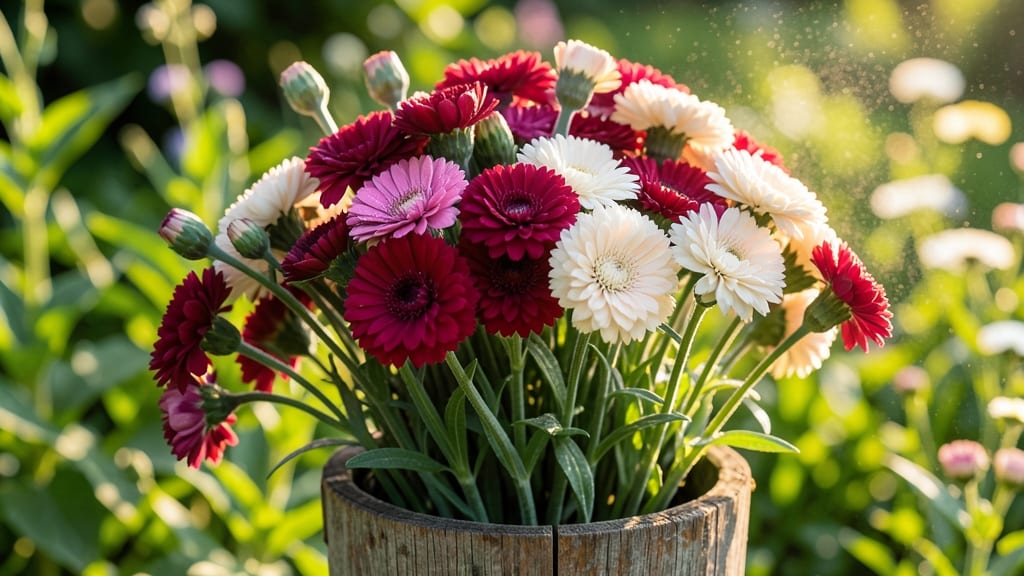
Dianthus blooms bring vibrant color to gardens, but timing varies drastically by hardiness zone. Master these exact bloom windows to plan your landscape for continuous summer-long floral displays—whether you're growing sweet williams, carnations, or cottage garden favorites.
Zone 3 Early Sweet William Bloom Schedule
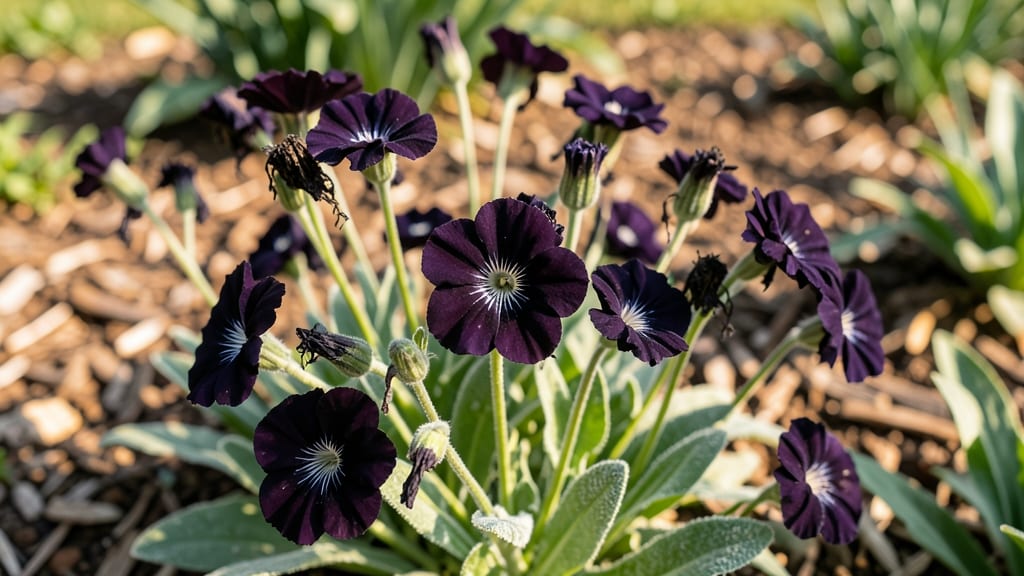
If you're in Zone 3 and want vibrant color early in the season, Sweet William (Dianthus barbatus) is your best bet—especially the cold-hardy 'Black Prince' variety. This deep purple gem kicks off blooms as early as late May, giving you a stunning 6-week show through July when deadheaded regularly.
For maximum impact, plant seeds indoors 8-10 weeks before your last frost (around late March) or buy transplants in early May. These hardy annuals thrive in full sun to partial shade and well-draining soil, making them perfect for short-season gardens where other flowers struggle. Pinch back early growth to encourage bushier plants, and remove spent blooms to prolong flowering.
This variety is ideal for beginners, cottage gardens, and cut-flower arrangements—just imagine fresh bouquets in June! 🌷
Zone 4 Pink Carnation Rebloom Cycle
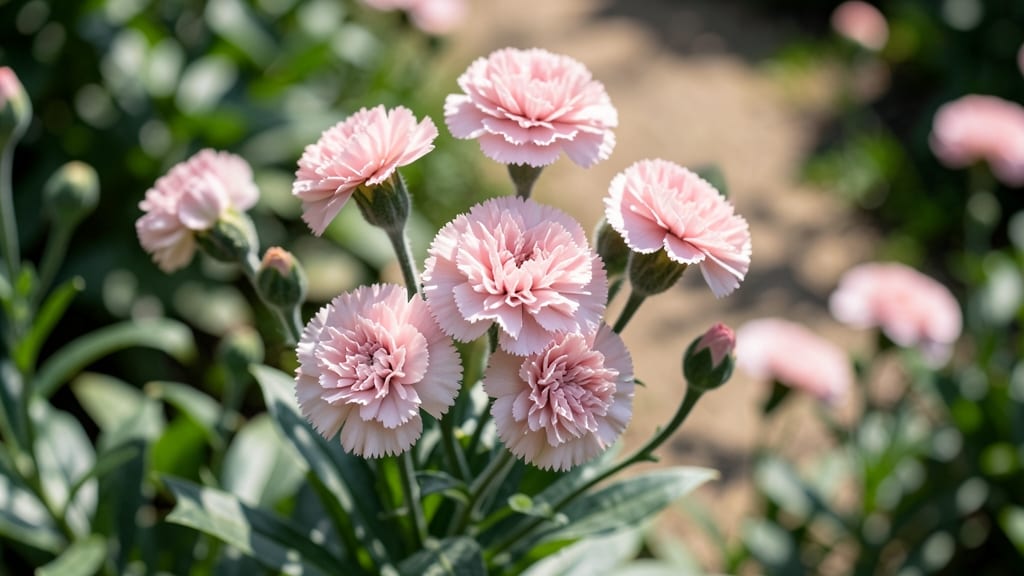
If you love cut-flower arrangements but live in Zone 4, the 'Elegance' pink carnation variety is your secret weapon—it blooms twice a year with minimal effort. Unlike single-flush varieties, this dwarf dianthus delivers a June showstopper followed by a September rebloom, giving you fresh stems for bouquets without replanting.
To maximize both blooms, plant in full sun and deadhead spent flowers immediately after the June peak. This variety thrives in well-draining soil and handles Zone 4 winters with a light mulch layer. The second flush arrives naturally as days shorten in September, rewarding patient gardeners with another harvest just as fall decorating begins.
This is especially valuable for florists, urban gardeners with small spaces, and anyone who wants year-round color without the work of annual replanting. The fragrant blooms also attract pollinators during both peak periods. 🌻
Zone 5 Perennial Dianthus Summer Display
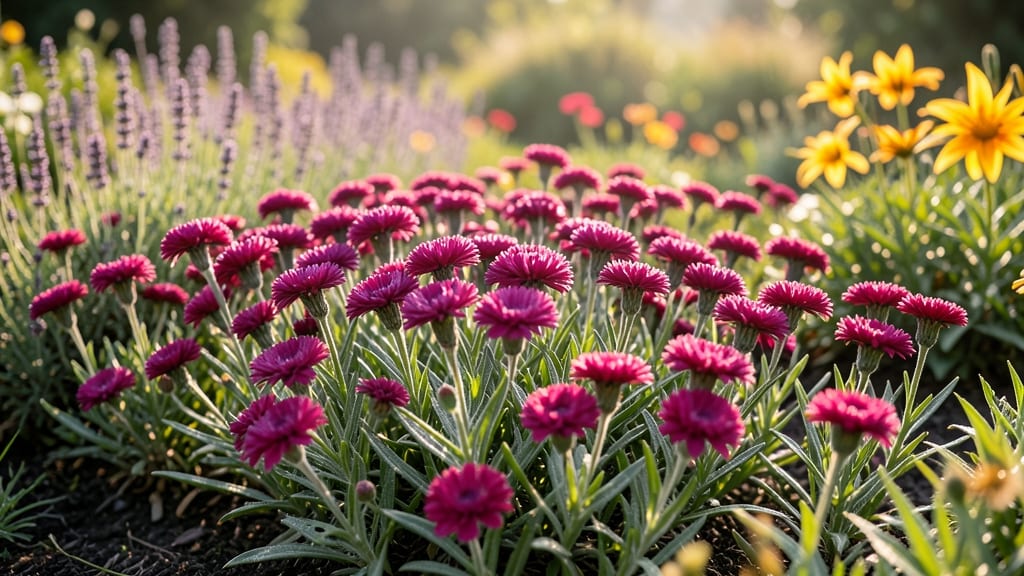
If you're craving a no-fuss summer border plant that thrives in the mid-Atlantic's hot, humid summers, look no further than perennial dianthus varieties like 'Firewitch'. This native beauty delivers a 3-month bloom show from July through September with minimal effort—ideal for gardeners who want color without the fuss.
Plant 'Firewitch' in full sun with well-draining soil, and you'll enjoy vibrant magenta blooms with contrasting yellow centers that attract butterflies. Unlike many annuals, this variety returns year after year, making it a cost-effective choice. Simply deadhead spent blooms to encourage continuous flowering throughout the summer months.
Perfect for beginner gardeners and busy homeowners, this dianthus variety thrives with basic care and delivers maximum impact. It's the secret weapon for creating a striking, low-maintenance summer display. 💚
Zone 6 Cottage Garden Dianthus Timeline
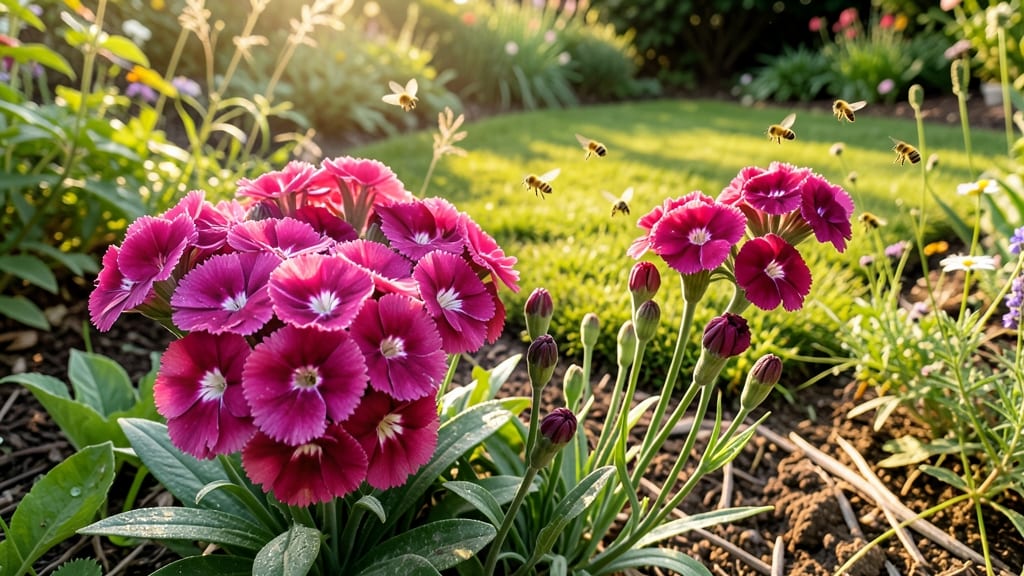
Transform your Zone 6 garden into a pollinator paradise with heritage dianthus like 'Grenadine,' which delivers two stunning bloom cycles—once in June and again in August—when given the right winter care.
This classic cottage garden favorite thrives with 6 hours of sun daily and benefits from a 3-inch layer of mulch in late fall to protect roots during cold snaps. The fragrant flowers attract bees and butterflies, while deadheading spent blooms encourages longer stems for cutting. Plant in well-draining soil with 2 feet between clumps to allow airflow and prevent mildew.
Perfect for beginners and traditional gardeners alike, 'Grenadine' delivers year-round interest—even when not in bloom, its silvery foliage adds texture to borders. 🌷
Zone 7 Heat-Tolerant Dianthus Varieties
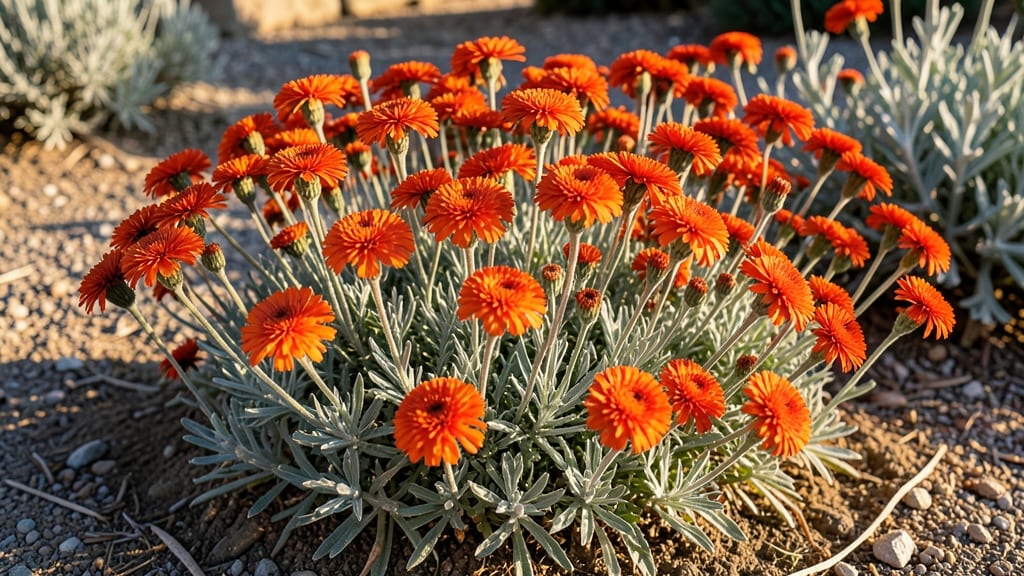
If you're in Zone 7 and want a long-blooming, heat-proof dianthus that thrives where others wilt, 'Fire Spirit' is your secret weapon. This drought-resistant variety defies summer heat, bursting into bright orange-red blooms from May through October—a full five months of color that most annuals can't match.
Plant it in full sun (6+ hours daily) with well-draining soil to prevent root rot, and water only when the top inch of soil feels dry. Deadhead spent blooms to encourage nonstop reblooming, and watch it attract pollinators like butterflies all season. Unlike finicky annuals, 'Fire Spirit' thrives in xeriscaping beds, rock gardens, or even containers with minimal fuss.
This variety is perfect for southern gardeners, urban rooftops, or drought-prone landscapes—giving you vibrant blooms even when water restrictions hit. 🌻
Zone 8 Winter-Blooming Dianthus Strategy
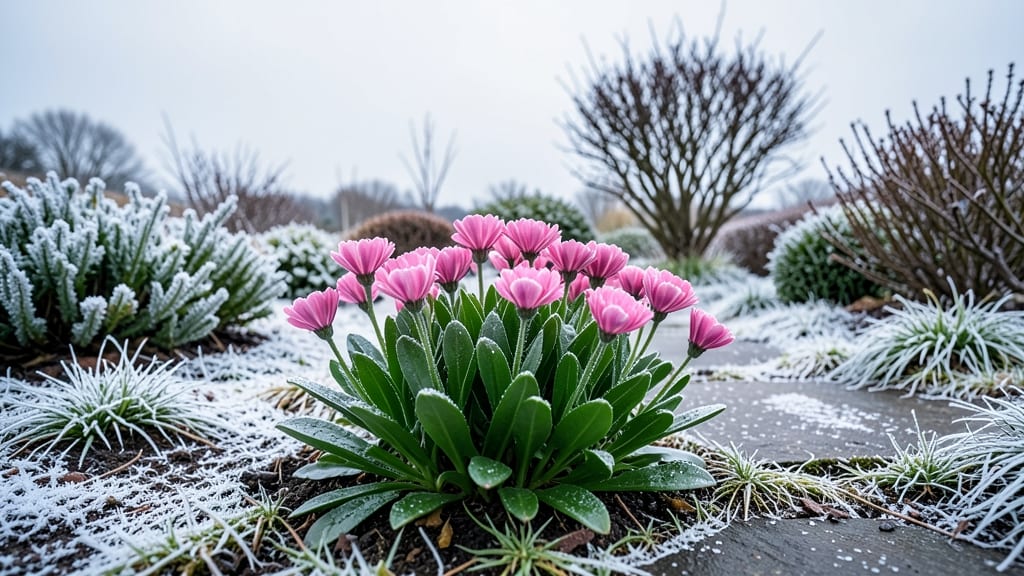
When most gardens lie dormant in winter, Zone 8 gardeners can enjoy unexpected color with evergreen dianthus varieties like 'Firewitch'. These cold-tolerant beauties bloom from December through February, offering striking pink blooms that stand out against frost-kissed landscapes.
To encourage winter blooms, plant in well-draining soil with morning sun and afternoon shade to prevent heat stress. Mulch with 2-3 inches of organic material in fall to protect roots while allowing blooms to thrive. Unlike summer varieties, these plants need minimal deadheading—simply trim back leggy growth in spring to encourage fresh foliage.
This strategy works perfectly for landscapers, winter gardeners, and pollinator enthusiasts who want to extend their garden's season. The fragrant blooms also attract bees during winter's quietest months. ✨
Zone 9 Extended Summer Blooms
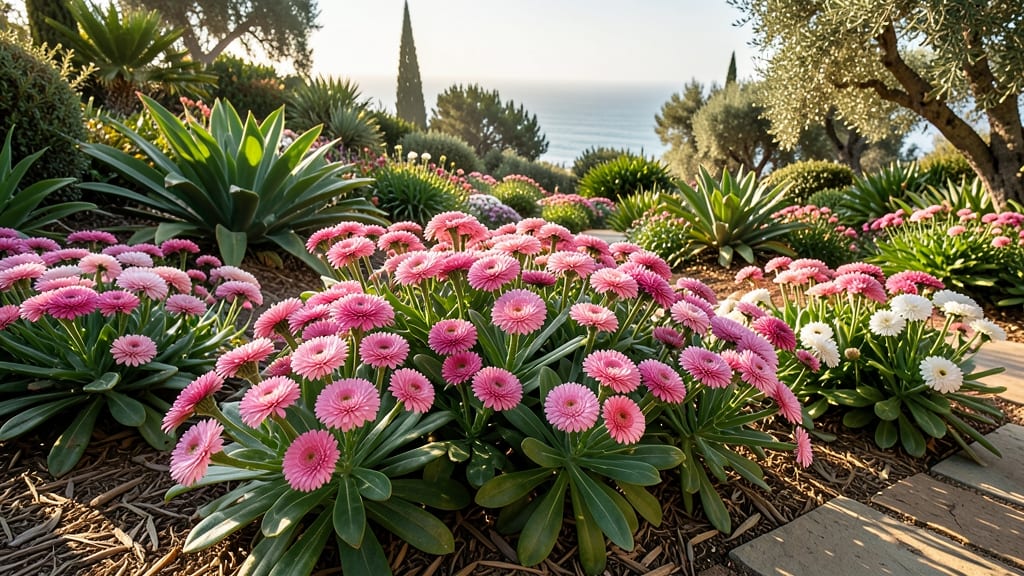
If you live in Zone 9 and dream of a garden that bursts into color the moment spring arrives, the 'Sierra' dianthus variety is your secret weapon. Unlike its cooler-climate cousins, this tropical beauty delivers a 7-month bloom show from April through November—ideal for California coastal gardens and Mediterranean landscapes where mild winters and warm summers create perfect growing conditions.
To keep your 'Sierra' dianthus thriving, plant it in well-draining soil with full sun exposure (at least 6 hours daily). This variety handles heat and humidity beautifully, making it perfect for sandy coastal soils or drought-tolerant Mediterranean gardens. Deadhead spent blooms regularly to encourage continuous flowering, and water deeply but infrequently—once established, it's surprisingly drought-resistant. The result? A garden that stays vibrant long after most annuals have faded.
This variety is perfect for urban gardeners in coastal cities, Mediterranean-style landscapes, and anyone who wants year-round color with minimal effort. With its delicate white-and-pink blooms, it adds a touch of elegance to borders, containers, and cutting gardens alike. 🌿
Zone 10 Year-Round Dianthus Culture
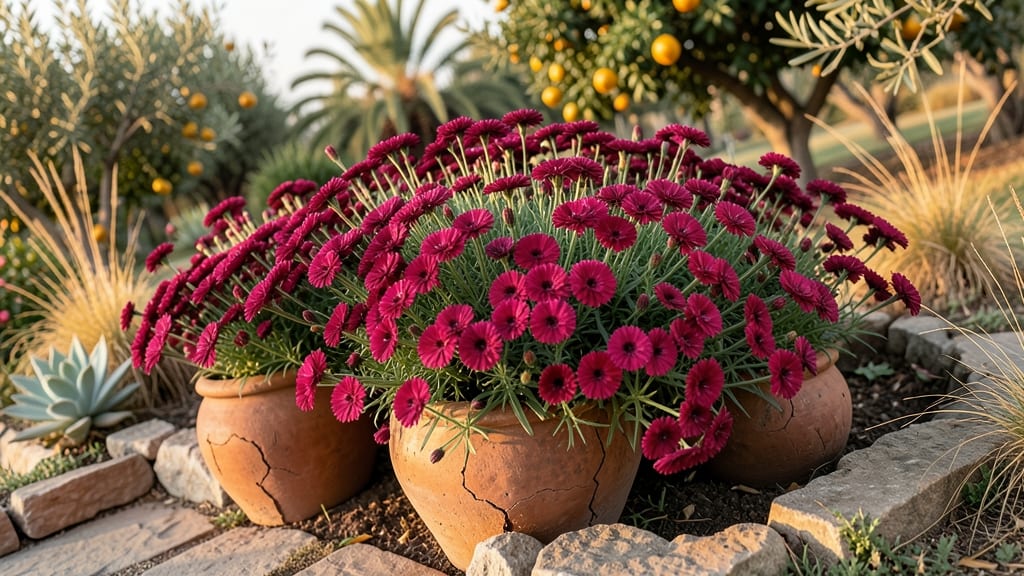
If you live in Zone 10 and want a garden that bursts with color every season, the heat-loving 'Mystic' dianthus is your secret weapon. Unlike seasonal bloomers, this variety produces staggered blooms every 6-8 weeks—meaning fresh flowers from January through December with minimal effort.
Plant 'Mystic' in full sun with well-draining soil, and watch its vibrant red blooms emerge in waves. Unlike many tropical plants, it thrives in hot, dry conditions and requires only occasional deadheading to keep the show going. The key is consistent moisture during the first few weeks, then letting nature take its course—this variety is drought-tolerant once established.
Perfect for tropical gardeners, urban balconies, and pollinator-friendly landscapes, 'Mystic' creates a living tapestry of color that never fades. It’s the ultimate low-maintenance choice for those who want year-round beauty without seasonal gaps. ✨
Container Dianthus Bloom Synchronization
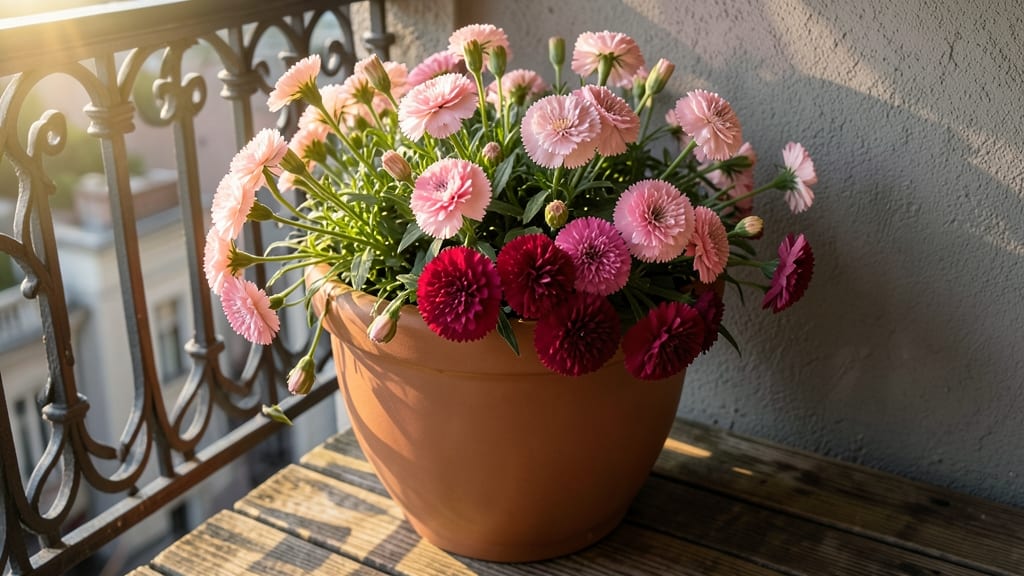
Turn your small urban space into a season-long floral show with container dianthus bloom synchronization—a clever trick that keeps your balcony or patio bursting with color from May through October. Instead of planting one variety, combine early, mid, and late-season dianthus in a single pot to create a seamless transition of blooms, ensuring you never have a bare moment.
Start with early bloomers like 'Superb' (May-June), pair them with mid-season varieties such as 'Firewitch' (July-August), and top it off with late-season stars like 'Sierra' (September-October). Use well-draining potting mix and a container with drainage holes to prevent root rot, and place in at least 6 hours of sun daily. Deadhead spent blooms weekly to encourage new flowers, and fertilize lightly every 4 weeks with a balanced formula.
This strategy is a game-changer for urban gardeners, renters, and small-space enthusiasts—no yard required! With minimal effort, you’ll enjoy a non-stop parade of color that rivals much larger gardens. 🌻
Cut-Flower Dianthus Harvest Windows

For florists and cut-flower enthusiasts needing reliable summer harvests, the 'Superb' dianthus variety delivers an 8-10 week continuous bloom window when cut regularly—far surpassing most annuals. Unlike single-flush varieties, this heat-tolerant perennial produces fresh stems every 7-10 days during peak season, making it the workhorse of summer bouquets.
Plant in full sun with well-draining soil and maintain consistent moisture to maximize vase life (7-10 days). The key to continuous harvests is cutting stems just as buds open—never wait for full bloom—and removing spent flowers immediately. This variety thrives in Zones 5-9, offering versatility for both northern and southern growers.
Perfect for small-scale florists, wedding planners, and home gardeners who want year-round color with minimal replanting. The fragrant blooms also attract pollinators while providing cut flowers that rival commercial varieties. 🌻