
Blooming
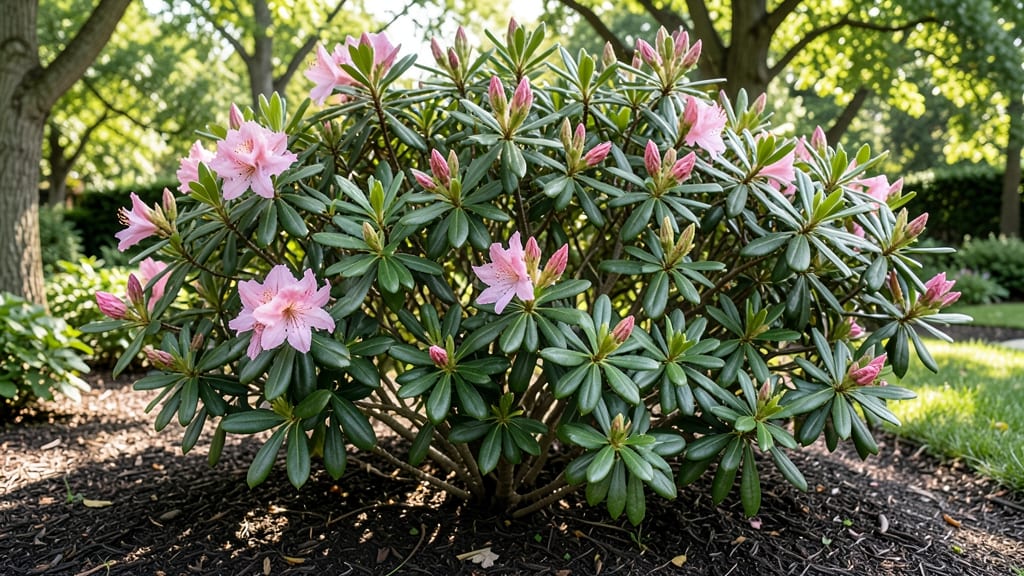
Azaleas can bloom three times a year when exposed to late-season heat waves, which break dormancy and stimulate new flower production, especially in mild climates or with proper pruning and care.
This unusual flowering pattern happens when azaleas experience unexpected warmth after a dormant period, like late-summer heat spikes. 🌸 These bursts of heat trick the plant into thinking it's spring, prompting new buds to form.
Gardeners in zones 7-9 often see this naturally, but even cooler climates can replicate it with strategic pruning and after-bloom feeding. The key is balancing stress (like light pruning) with nutrients to encourage reblooming without exhausting the plant.
For best results, I recommend pruning right after the first flush of flowers fades—this removes spent blooms while preserving energy for future growth. 🌿 Pair that with a balanced fertilizer (high in phosphorus) and consistent moisture, but avoid overwatering, which can stress the roots.
Some varieties like Encore® azaleas are bred specifically for reblooming, but even standard types can surprise you with extra blooms if the conditions are just right.
💡 In This Article
- How Heat Waves Stimulate Azalea Reblooming
- Best Practices for Encouraging Triple Azalea Blooms
How heat waves stimulate azalea reblooming
Azaleas are naturally programmed to bloom once a year, typically in spring, as a response to increasing daylight and warming temperatures. However, when late-summer heat waves—especially those reaching 85-95°F for 3-5 consecutive days—occur, they disrupt the plant's internal clock.
This temperature spike triggers a hormonal response similar to spring's awakening, causing buds that were previously dormant to swell and open. 🌡️ The key hormone here is ethylene, which azaleas produce in response to stress (like heat), signaling flower formation.
This process works because azaleas are photoperiod-sensitive, meaning their flowering cycles are influenced by day length. While they primarily rely on spring's increasing daylight, heat waves can override this natural rhythm.
For example, in USDA zones 7-9, where summers are long and hot, azaleas often experience two or even three blooming cycles. The first occurs in spring, the second in late summer (triggered by heat), and sometimes a third in early fall if conditions remain warm and stable.
There's also a fascinating phenomenon called stress-induced blooming. When azaleas experience mild stress—like the heat shock from a sudden temperature rise—they may produce additional flowers as a survival mechanism. This is why some gardeners intentionally expose their azaleas to late-summer warmth to encourage reblooming.
However, the plant must have enough stored energy (from roots and foliage) to support this extra growth, which is why proper care is essential. 🌿
One critical factor is the duration of warmth. Short heat spikes (like a single hot day) won't trigger reblooming, but prolonged warmth—especially when combined with 12-14 hours of daylight—can push azaleas into a second or third flowering cycle.
This is why azaleas in coastal regions (where summers are warm but not extreme) often bloom more frequently than those in inland areas with hotter, drier summers.
Scientifically, this process involves the activation of floral meristems, which are clusters of undifferentiated cells that can develop into flowers. Heat waves stimulate these meristems to differentiate into flower buds, even if the plant isn't in its typical blooming season.
This is why you might see azaleas flowering in late August or September, long after their spring display. The trade-off? Each additional blooming cycle can drain the plant's energy, so it's essential to support azaleas with proper nutrients and care. 💫