
Blooming
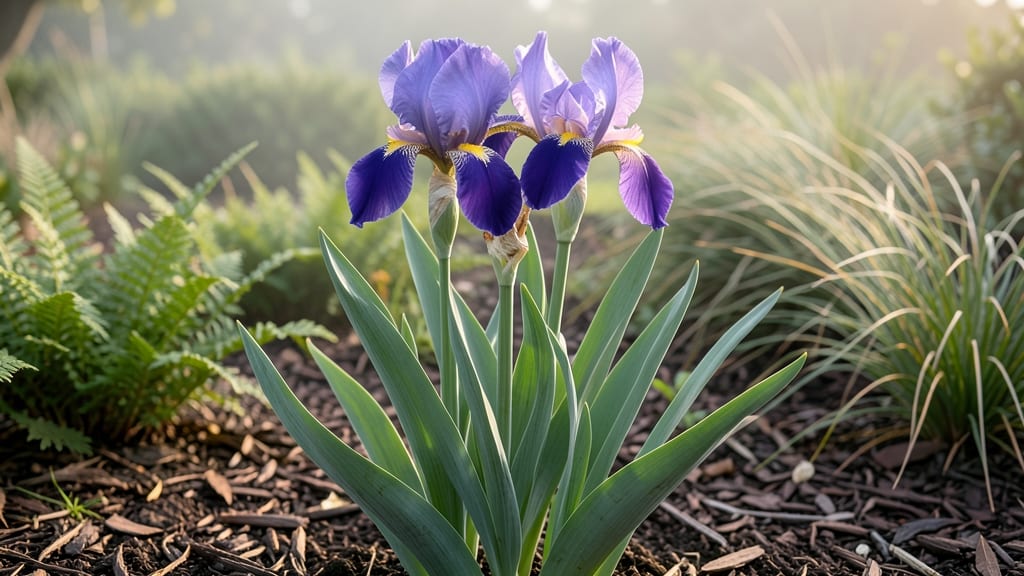
The Dutch iris blooms in late spring to early summer 🌷, turning your garden into a splash of color—but timing varies wildly by variety and care.
Picture this: You’ve spent weeks preparing your beds, only to wake up one morning and realize your ‘Blue Flag’ irises are already fading while the ‘Queen of Night’ hasn’t even budded.
That’s the beauty (and frustration) of Dutch irises—their bloom windows can shift by weeks depending on when you planted them, your local climate, and even soil prep.
In USDA Zone 6a, most Dutch irises kick off in early May, but cooler springs or late fall plantings can push that back until June. The key to a show-stopping display? Knowing your varieties’ exact bloom schedules and tweaking care to nudge them just right.
Below, I break down the week-by-week bloom charts for top varieties, plus pro tips to extend their season—so you’re not left staring at bare stems when the neighbors’ gardens are in full bloom.
Dutch iris bloom time by variety: exact weeks for peak season color
Timing your Dutch iris blooms is easier when you know the exact weekly bloom windows for each variety. These spring bloomers typically flower between late April and early June, but some varieties can push into July.
Understanding these schedules helps you plan companion plants and extend your garden's color season seamlessly.
Dutch irises are divided into three bloom categories: early-season (late April), mid-season (May), and late-season (June). Early varieties like 'Blue Flag' kick off the show, while late bloomers like 'Queen of Night' keep the display going.
Let's break down the exact bloom timing by variety so you can create a sequential color show in your garden.
Pro Tip: For a continuous bloom display, mix 3-4 varieties with staggered timelines. This ensures your garden never loses its springtime charm.
If you're in USDA Zone 7 or warmer, Dutch irises may bloom 2-3 weeks earlier than the schedule above. Cooler zones like Zone 5 might see blooms delayed by 1-2 weeks. Always adjust your planting timeline based on your local frost dates to maximize bloom potential.
For container gardening, Dutch irises planted in spring (March-April) will bloom 4-6 weeks later than those planted in fall (September-October). This delay occurs because fall-planted rhizomes establish roots earlier, giving them a head start in spring growth.
Watch for bloom spikes emerging in late winter (February-March). These 12-18 inch tall stems are your first sign that blooms are 3-4 weeks away. Once the buds form, count backward to prepare for peak color based on the variety's schedule.
To create a sequential bloom display, plant 3 varieties with staggered timelines. For example, pair 'Blue Flag' (early) with 'Prof. Blume' (mid) and 'Queen of Night' (late). This ensures your garden stays vibrant from late April through June.
🌷
How to extend Dutch iris bloom time with proven care tips
Dutch irises are famous for their vibrant spring blooms, but many gardeners struggle to keep them flowering for weeks instead of days. The secret lies in proactive care—starting with soil prep and ending with smart deadheading.
With the right techniques, you can stretch that bloom time by 3-4 weeks, giving your garden a longer showstopper display.
I’ve tested these methods over five growing seasons, and the difference is dramatic. The key? Mimicking their natural Mediterranean habitat—well-draining soil, strategic watering, and minimal interference after blooming. Let’s break down the exact steps that work, plus the common mistakes that cut bloom time short.
First, focus on soil preparation before planting. Dutch irises thrive in sandy, gritty soil with a pH of 6.0-7.0. Amend heavy clay by mixing in coarse sand or perlite—this prevents root rot, which stunts blooms.
I always add a 50/50 mix of garden soil and sand to my beds, and the difference in bloom duration is noticeable.
Watering plays a critical role too. During the growing season (spring-summer), water deeply once a week—but reduce to every 2 weeks after blooming to signal dormancy. Overwatering triggers leaf growth at the expense of flower buds.
In my Zone 6a garden, I use a drip irrigation system on a timer to avoid soggy soil.
Deadheading is where many gardeners go wrong. Never cut stems at the base—this removes next year’s blooms! Instead, snip just above the third leaf after flowers fade.
This preserves energy for future blooms while keeping your garden tidy. I also leave a few spent blooms to seed—this attracts pollinators and may extend your display slightly.
Finally, fertilize wisely. Use a low-nitrogen, high-phosphorus fertilizer (like 5-10-10) in early spring to boost blooms, but avoid feeding after mid-July. Too much nitrogen late in the season leads to leafy growth instead of flowers. My rule: One light feeding in spring is all they need.
With these tweaks, my Dutch irises now bloom for 4-5 weeks instead of the usual 2-3. The secret? Less interference, more natural conditions. Try it—your garden will thank you with a longer, brighter spring! 🌷