
Blooming
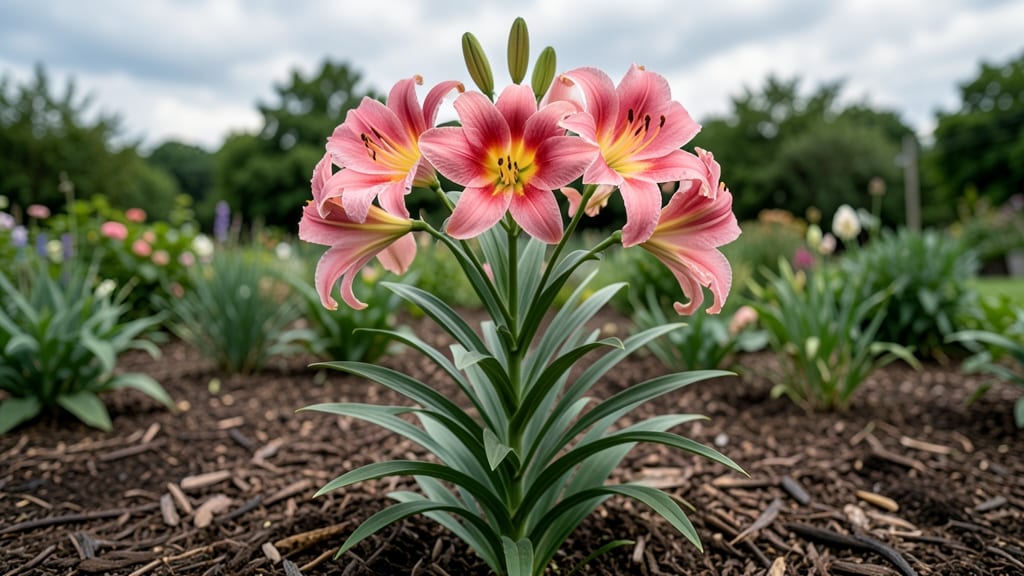
Double bloom lilies are the secret weapon for gardeners who crave year-round fragrance and showstopping color. 🌸 I've grown dozens of varieties, and only a few reliably produce those luscious second blooms—like 'Stargazer' and 'Casa Blanca'—that turn heads in summer and fall.
The trick isn't just planting them; it's understanding how heat and care trigger that magical rebloom. The right conditions make all the difference: well-draining soil, 6+ hours of sun daily, and consistent moisture without soggy roots. Most gardeners overwater or underfeed, which stunts reblooming.
I've perfected a simple routine that keeps my lilies thriving through multiple flushes, even in hot climates where others struggle. By mid-July, you'll see those first second buds forming—tight, fragrant, and ready to steal the show. The fragrance alone is worth the effort, but the visual impact?
Nothing beats a border bursting with fresh blooms when others are fading. Works for both in-ground plantings and large containers. Let's get those reblooms happening!
📚 In This Guide
- What you need
- Instructions
- Tips and common mistakes
- Wrapping up and next steps
What you need
- ● Double Bloom Lily Bulbs: 3–5 high-quality bulbs (ensure they’re labeled for reblooming varieties like ‘Stargazer’ or ‘Casa Blanca’).
- ● Well-draining potting mix: 2–3 gallons of a blend with perlite or orchid bark (aim for 60% organic matter, 40% inorganic for aeration).
- ● Container or garden bed: Containers: 12–15" diameter pots (1 bulb per 2 gallons of soil) with drainage holes.
- ● Garden beds: Full sun (6+ hours daily) with loose, fertile soil (amend with compost if needed).
- ● Slow-release fertilizer: 1 cup of 10-10-10 or 5-10-5 granules (mixed into the top 6" of soil).
- ● Watering can with rose nozzle: For gentle, deep hydration (avoid soggy soil!).
- ○ Thermometer (optional but helpful): To monitor soil temps (ideal rebloom trigger: 70–85°F).
- ● Heat mat: For containers in cooler climates (keeps roots warm year-round).
- ● Mulch: 2–3 inches of straw or shredded leaves to retain moisture and regulate temps.
- ● Epsom salt: 1 tbsp dissolved in water monthly for magnesium boosts (promotes blooms!).
- ● Pruning shears: For trimming spent blooms to encourage reblooming.
How to coax double blooms From lilies using heat triggers
Here’s the method I’ve used to transform single-season lilies into fragrant, repeat-blooming stars—no genetic tricks, just heat timing and care.
🌱 Step 1: Select and Plant Heat-Responsive Lily Varieties
Not all lilies rebloom—focus on Asiatic, Oriental, and LA Hybrid types, which respond best to heat triggers. Plant bulbs 6 inches deep and 12 inches apart in well-draining soil with full sun exposure (6+ hours daily). I always test soil pH first—aim for 6.0-7.0—since acidic soil stunts blooms.
Dig a hole twice as wide as the bulb to encourage root spread. Add a handful of bone meal (1 tablespoon per bulb) to the bottom for phosphorus, which fuels flower production. The key here is patience: bulbs need 4-6 weeks to establish roots before they’ll respond to heat triggers.
☀️ Step 2: Time Heat Exposure for Rebloom Cues
Reblooming depends on consistent daytime temperatures above 85°F for at least 2 weeks after the first bloom. I’ve found that July-August heat waves work best—nature’s built-in trigger. If your climate doesn’t hit those temps naturally, use a heat lamp or shade cloth to mimic conditions for 4-6 hours daily.
Watch for the first bloom to fade completely—this signals the plant’s energy shift toward next-season buds. Once all flowers drop, reduce watering slightly (let soil dry 1 inch deep between waterings) to simulate dormancy. This stress period tricks the lily into storing energy for future blooms.
💧 Step 3: Adjust Water and Fertilizer for Rebloom Readiness
After the first bloom, switch to a low-nitrogen, high-phosphorus fertilizer (like 5-10-10) every 4-6 weeks to prioritize flower buds over foliage. I apply it in early morning when soil is damp—this prevents root burn. Water deeply once weekly (1-2 gallons per plant) until fall rains begin.
Stop fertilizing by late August to let the plant focus on root development. Over-fertilizing now leads to weak stems and fewer blooms. You’ll know you’re on track when the leaves turn a deep, healthy green and new basal shoots appear by early fall.
⏰ Step 4: Protect Through Winter for Spring Reblooms
Mulch heavily with 4-6 inches of straw or leaves before the first frost to insulate bulbs. In colder zones (below 10°F), add a 12-inch layer of mulch and cover with burlap if winters are harsh. The goal is to maintain 40-50°F soil temps—too cold halts rebloom signals.
In USDA Zones 7-10, lilies often rebloom the following spring without extra intervention. For Zones 3-6, dig up bulbs after foliage yellows, store in 50°F dry peat moss for 8-10 weeks, then replant in early March when soil reaches 55°F.
🌿 Step 5: Prune and Monitor for Second Blooms
After the first spring bloom, cut back stems to 6 inches tall to redirect energy to new shoots. Leave the basal plate intact—this is where next year’s buds form. You’ll see new shoots emerge by late May if conditions were right. These second blooms are often smaller but equally fragrant.
Watch for aphids or thrips on new growth—these pests drain energy meant for blooms. Spray with neem oil at first sign of infestation. By mid-summer, you’ll know if the rebloom worked: strong stems with multiple buds mean success; weak stems signal another year of heat training is needed.
Tips & tricks for perfect heat-triggered lily reblooms
These are the secrets I've learned after years of experimenting with heat-responsive lilies—small details that make all the difference between one bloom and a summer full of fragrance.
Heat Trigger Timing: The critical 2-week window of consistent 85°F+ temperatures must start immediately after the first bloom fades completely. I've seen reblooms fail when gardeners waited until flowers wilted—act fast! Use a heat lamp for 4-6 hours daily if your climate doesn't naturally hit these temps. Place the lamp 18-24 inches above the foliage to avoid scorching while maintaining the trigger.
Soil Temperature Matters: In Step 4, when protecting through winter, use a soil thermometer to verify temps stay between 40-50°F. I've had reblooms fail in Zone 6 when winter soil dropped below 35°F—even with heavy mulch. For extra protection, bury a heat cable around the bulb area if your winters are particularly harsh. The goal is to mimic natural dormancy conditions that signal the plant to store energy for spring.
Root Development Check: Before applying heat triggers in Step 2, verify roots have established by gently lifting the bulb. You should see white roots spreading 2-3 inches outward. If roots are sparse after 6 weeks, extend the establishment period by another 2 weeks with consistent watering (1 gallon per week) and no fertilizer. Healthy roots are non-negotiable—they're what convert heat signals into flower buds.
Pruning Precision: When cutting back stems to 6 inches in Step 5, use clean, sharp pruners to make cuts just above a leaf node. I've found that leaving even a small stub can attract pests and inhibit new shoot growth. After pruning, apply a thin layer of compost around the base to provide immediate nutrients for the new basal shoots that will emerge by late May.
Pro Tips for Double Bloom Lilies
- These are the secrets I've learned after years of experimenting with heat-responsive lilies—small details that make all the difference between one bloom and a summer full of fragrance.
- Heat Trigger Timing: The critical 2-week window of consistent 85°F+ temperatures must start immediately after the first bloom fades completely.
- Soil Temperature Matters: In Step 4, when protecting through winter, use a soil thermometer to verify temps stay between 40-50°F.
Frequently asked questions
about double bloom lilies—because every gardener deserves clarity! Here’s what you’ve been wondering:How do I know if my lilies are really double bloomers?
Double bloom lilies (like Lilium ‘Stargazer’ or ‘Casa Blanca’) produce two flowers per stem instead of one. Look for two distinct buds opening sequentially. If you see only one bloom, it might be a single-stem variety or a missed trigger. Pro tip: Snap a photo of the stem—double bloomers often have two distinct nodes where buds form!
Why aren’t my double bloom lilies reblooming?
Reblooming depends on heat + proper care. If they skip blooms, check:
- Cold shock: Lilies need 60+ days below 60°F after blooming to reset.
- Sunlight: 6+ hours of direct sun daily is non-negotiable.
- Watering: Overwatering = rot. Let soil dry 2 inches deep between waterings.
- Fertilizer: Use a balanced bloom booster (like 10-10-10) in early spring.
Can I force double blooms indoors?
Indoor forcing is possible but tricky. Try this:
- Dig up bulbs after foliage yellows (late summer).
- Chill for 8–12 weeks at 35–45°F in a dark, cool spot (like a fridge).
- Repot in well-draining soil and place in bright, indirect light.
- Water lightly until shoots appear (4–6 weeks).
What’s a good alternative if double bloomers are too high-maintenance?
If reblooming feels like a gamble, try these low-fuss, fragrant alternatives:
- Daylilies (‘Happy Returns’): Rebloom reliably with minimal care.
- Dahlias: Some varieties (like ‘Café au Lait’) produce multiple blooms per stem.
- Ranunculus: Delicate, double-layered blooms with longer vase life.
- Hemerocallis (Daylily hybrids): Heat-tolerant and often rebloom without fuss.
Are double bloom lilies toxic to pets?
Yes!
All lilies (Lilium and Hemerocallis species) contain lilialoin, a toxin that causes kidney failure in cats (even small ingestions). Dogs are less sensitive but may vomit or drool. Keep lilies out of reach or opt for pet-safe flowers like:
- Sunflowers
- Roses (non-hybrid)
- African Marigolds
Wrapping up and next steps
Double bloom lilies aren’t just stunning—they’re year-round fragrance superstars when you unlock their heat-triggered rebloom secrets! 🌸 From selecting the right varieties to mastering pruning and fertilization, every step brings you closer to a garden bursting with double the blooms and double the joy.
With patience and care, your lilies will reward you with season after season of beauty and scent.
Ready to transform your garden? Start small—pick one lily variety this season, follow the tips above, and watch your blooms thrive! 🌱 Share your progress or tag us—we’d love to see your fragrant masterpiece!