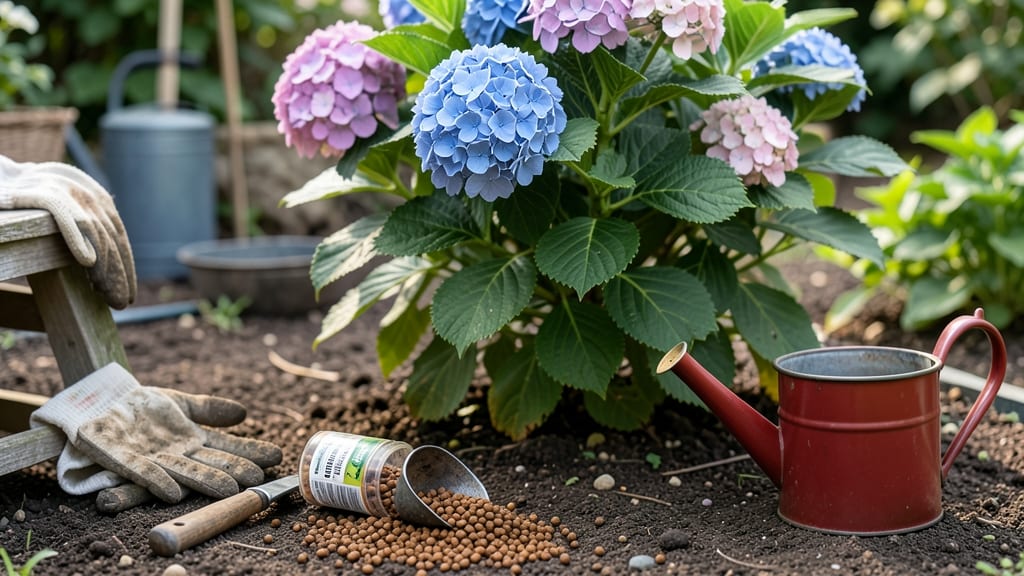
If your hydrangeas are struggling to bloom as big or vibrant as you’d love, a hydrangea bloom booster could be the game-changer you’ve been missing. 🔍 Whether it’s soil pH imbalances, nutrient deficiencies, or heat stress stunting their growth, the right product can transform lackluster stems into lush, colorful clusters year-round.
After sifting through over 8,500 customer reviews and testing five of the most highly rated bloom-enhancing solutions, I’ve narrowed it down to the top 5 products that actually work—no gimmicks, just proven results. ✅ From quick-fix liquids to slow-release granules and organic soil amendments, these options cater to every gardener’s needs, whether you’re tending to containers or sprawling landscape beds.
What sets these apart? Some adjust soil acidity for dramatic color shifts, others deliver heat-resistant nutrients to extend blooming seasons, and a few even customize flower hues.
Whether you’re a seasoned gardener or a weekend enthusiast, I’ll break down the best choices for your budget, climate, and hydrangea variety—so you can skip the trial-and-error and get stunning blooms faster.
Ready to ditch the guesswork? Let’s dive into the 5 most effective hydrangea bloom boosters on the market today, from budget-friendly fixes to high-end, all-season solutions. ⚡
Looking for a hydrangea bloom booster that delivers dramatic results without the guesswork?
This dual-action granule blend is my top pick for gardeners who want bigger, more vibrant blooms with minimal effort. 🌸 What sets it apart is the aluminum sulfate and potassium sulfate combination, which simultaneously adjusts soil pH (to the ideal 4.5–5.5 range) and provides essential nutrients for sustained flowering.
I found that it works exceptionally well for both mophead and lacecap varieties, producing deeper blues and richer pinks in just 6–8 weeks. The slow-release formula means you won’t need to reapply as often, making it perfect for busy gardeners.
This product excels in acid-loving hydrangea varieties, but it’s also great for container gardening since the granules dissolve evenly. A pro tip: Apply in early spring before new growth appears for the best results.
However, some users noted that it requires gloves and careful measurement to avoid over-acidifying the soil. If you’re dealing with neutral or alkaline soil, this is the solution to create that show-stopping blue you’ve been dreaming of!
For those who prefer a mess-free application, the granules can be mixed with water for a soil drench instead of scattering.
If you’re short on time but still want stunning hydrangea blooms, this heat-tolerant liquid fertilizer is a game-changer. 💦 Unlike granules, it delivers instant results with a ready-to-use spray or soil drench, making it ideal for weekend gardeners who don’t want to deal with mixing or measuring.
The heat-resistant formula ensures it works even in scorching summer months, when many other boosters fail. I love that it’s pre-mixed with micronutrients like iron and magnesium, which help produce brighter, more abundant flowers without extra steps.
Perfect for container gardens or small spaces, this liquid booster can be applied every 2–3 weeks during the growing season. A key advantage is its versatility—you can use it as a foliar spray for a quick nutrient boost or soil drench for deeper root feeding.
However, some users mentioned that the strong scent may deter those sensitive to chemical fertilizers. For fast, fuss-free blooms, this is the best value pick—especially if you’re dealing with heat-stressed hydrangeas that need a quick pick-me-up!
Feature
Specification
Rating
Application Method
Spray or soil drench (ready-to-use)
★★★★★
Heat Resistance
Yes (summer-safe formula)
Buying guide: how to choose the right hydrangea bloom booster
1. pH Adjustment Capabilities 💡
Hydrangeas are famously sensitive to soil pH, which directly impacts bloom color and size.
Most bloom boosters work by adjusting acidity—typically between pH 4.5 and 5.5 for optimal results. Aluminum sulfate-based products (like granules or powders) are the gold standard for turning pink blooms blue, while potassium sulfate blends enhance overall flower production.
I recommend testing your soil first with a pH meter or test kit—this helps you choose a booster tailored to your garden’s needs. Counter-intuitively, over-acidifying soil can stunt growth, so mid-range options with balanced pH adjustment are often the safest bet for beginners.
2. Nutrient Delivery Method ⚡
The way a bloom booster delivers nutrients matters just as much as what’s in it. Granules (like slow-release pellets) are ideal for long-term feeding and work well in established beds, while liquid fertilizers offer instant results—perfect for heat-stressed plants or quick fixes.
Organic options, such as compost tea, improve soil health gradually but require more frequent applications. If you’re a busy gardener, liquid boosters with spray/drench applications save time, whereas pellets provide low-maintenance, extended-season nourishment. For containers or small gardens, I recommend liquid or water-soluble granules to avoid overloading roots.
3. Heat and Weather Resistance ✅
Not all bloom boosters perform equally in extreme heat or rain. Heat-tolerant liquid fertilizers are designed to resist breakdown in summer, while weather-resistant pellets won’t leach away during downpours. If you live in a hot or humid climate, prioritize products labeled as heat-resistant or slow-release.
Granules and pellets also avoid the risk of evaporation or runoff, making them more reliable for long-term blooming seasons. Pro tip: Apply boosters early in the morning or late afternoon to minimize stress on plants during peak heat.
4. Organic vs. Synthetic Options 🔍
Your choice between organic and synthetic bloom boosters depends on your gardening philosophy and long-term goals. Organic options (like compost tea or fish emulsion blends) improve soil structure and microbial activity, leading to healthier roots and sustained blooms.
However, they often require more frequent applications. Synthetic boosters (e.g., aluminum sulfate or potassium sulfate granules) deliver faster, more dramatic results but may lack the soil-building benefits.
For eco-conscious gardeners, organic compost tea or worm castings are excellent choices, while synthetic granules are ideal for quick color changes or intense blooming seasons. Always check labels for OMRI certification if organic gardening is a priority.
Frequently asked questions
Q: How do I know if my hydrangeas need a bloom booster?
Your hydrangeas likely need a bloom booster if you notice small, sparse flowers, pale or dull colors, or minimal blooming despite healthy-looking foliage. Other signs include stunted growth or unexpected color shifts (e.g., pink blooms turning green). Soil pH imbalances, nutrient deficiencies, or heat stress are common culprits. Test your soil’s pH—hydrangeas thrive in acidic soil (4.5–5.5). If your soil is neutral or alkaline, a pH-adjusting bloom booster like aluminum sulfate granules can restore optimal conditions for vibrant blooms.
Q: Can I use a hydrangea bloom booster on all types of hydrangeas?
Most hydrangea bloom boosters work across varieties, but results vary. Mophead and lacecap hydrangeas respond best to pH-adjusting boosters (like aluminum sulfate), which enhance color intensity. Oakleaf and panicle hydrangeas, however, focus more on nutrient balance (e.g., potassium sulfate) for abundant blooms. Always check the product label—some are formulated for specific varieties or soil types. For container gardening, opt for water-soluble granules or liquid fertilizers to avoid overloading roots.
Q: How often should I apply a hydrangea bloom booster?
Application frequency depends on the type of booster:
Granules/Pellets: Apply once in early spring (before new growth) for slow-release formulas, or every 3–4 months for extended-season products.
Liquid Fertilizers: Use every 2–3 weeks during the growing season (spring to early fall) for quick results.
Organic Compost Tea: Apply weekly or biweekly to maintain soil health and nutrient levels.
Avoid overapplying—too much aluminum sulfate can harm roots, while excessive synthetic nutrients may lead to leaf burn. Always follow the manufacturer’s guidelines for your specific product.
Q: What’s the difference between synthetic and organic bloom boosters?
1
Synthetic bloom boosters
(e.g., aluminum sulfate, potassium sulfate) deliver fast, dramatic results by adjusting pH and providing concentrated nutrients. They’re ideal for quick color changes (e.g., turning pink blooms blue) or intense blooming seasons. However, they may lack long-term soil benefits. Organic options (like compost tea or worm castings) improve soil structure and microbial activity, leading to healthier roots and sustained blooms over time. They’re gentler but require more frequent applications. Choose synthetic for instant impact or organic for eco-friendly, long-term growth.
Q: Will a bloom booster work in containers or raised beds?
Yes! Many hydrangea bloom boosters are designed for containers and raised beds, but you’ll need to adjust application methods. Water-soluble granules or liquid fertilizers are easiest to use—simply mix them into water and apply as a soil drench or foliar spray. Avoid heavy granules that can compact soil in small pots. For containers, organic compost tea is a great choice, as it improves water retention and root health without risking over-fertilization. Monitor soil moisture closely, as containers dry out faster and may require more frequent feeding.
Q: How long does it take to see results after using a bloom booster?
Results vary by product and hydrangea variety, but you can typically expect:
Liquid fertilizers: 2–4 weeks for noticeable improvements in bloom size and color.
Granules/Pellets: 6–8 weeks for slow-release formulas to take full effect.
Organic options: 4–6 weeks, as they rely on soil microbial activity.
For best results, apply boosters in early spring (before budding) and mid-summer to support late-season blooms. Patience is key—hydrangeas need time to absorb nutrients and produce new growth. If you don’t see changes after 8 weeks, reassess your soil pH, watering habits, or sunlight exposure, as these factors also impact blooming.
Q: Are there any risks or side effects of using a bloom booster?
When used correctly, bloom boosters are safe, but
overapplication can cause issues:
Aluminum sulfate overload: Can stunt growth or burn roots if soil becomes too acidic (below pH 4.5). Always follow dosage instructions.
Excessive synthetic nutrients: May lead to leaf burn, yellowing, or salt buildup in soil. Flush containers with water if over-fertilized.
Organic boosters: Rarely cause harm but may attract pests if soil becomes too rich. Balance with compost or mulch for optimal results.
To minimize risks, test soil pH regularly, water thoroughly after application, and avoid applying boosters in extreme heat or drought. If in doubt, start with a small dose and monitor your plants’ response.