
Blooming
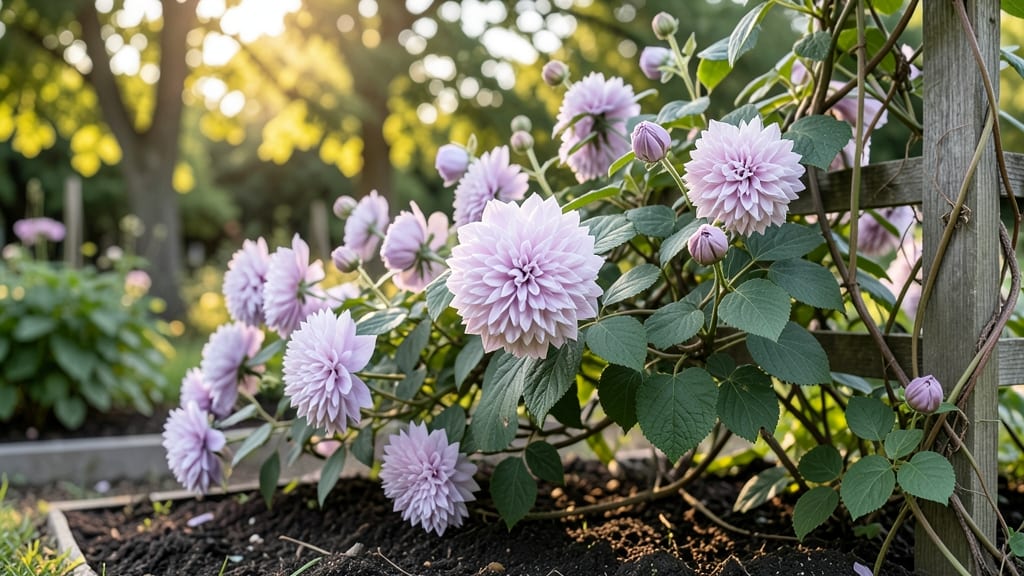
Double-blooming clematis transforms your garden into a four-season showstopper—imagine cascading flowers from spring through frost. 🌸 I’ve grown these varieties for years, and the key to their magic lies in pruning at the right times to trigger those second flushes of blooms that leave neighbors green with envy.
The secret starts with planting deep—bury the first set of buds 6 inches below soil to encourage strong root systems and more blooms. These vines crave full sun (6+ hours daily) and well-draining soil mixed with compost.
Water deeply once a week (more in extreme heat), but avoid soggy roots—they’re the #1 reason clematis skips blooming.
By pruning twice a year (late winter and mid-summer), you’ll coax two full blooms per season instead of one. The first flush comes from last year’s growth, while the second bursts from new stems. Even my black-thumb mistakes (like over-pruning) only delayed blooms—they always bounced back with patience.
Troubleshooting? Yellow leaves? Check your soil pH (6.0-7.0 is ideal). No second blooms? You likely pruned too late or too hard. With the right care, these vines will climb 10-15 feet in a single season, draping your trellis in pink, purple, or blue blooms that last until frost.
📚 In This Guide
- What you need
- Instructions
- Tips and common mistakes
- Wrapping up and next steps
What you need
- ● Double Bloom Clematis Plants: Choose hardy varieties like 'Nelly Moser' or 'Jackmanii' (3–5 gallon pots or bare-root).
- ● Well-Draining Soil Mix: 60% native soil + 30% compost + 10% perlite or coarse sand (5+ gallons per plant).
- ● Support Structure: Trellis (6–8 ft tall) or
- ● Arbor/obelisk (for climbing varieties).
- ● Balanced Fertilizer: 10-10-10 or organic options like fish emulsion (1 tbsp per plant every 4–6 weeks).
- ● Mulch: 2–3 inches of shredded bark or straw (to retain moisture and regulate temperature).
- ● Pruning Shears: Sharp, bypass-style shears (sterilized with rubbing alcohol).
- ● Gloves: Heavy-duty gardening gloves (to protect from thorns and sap).
- ● Watering Can or Hose: With a gentle spray nozzle (1–2 gallons per watering session).
- ○ Stakes or Twine: For securing young vines (optional but helpful early on).
- ● Sunlight Check: Full sun (6+ hours/day) or partial shade (morning sun + afternoon shade).
- ● Drainage Test: Ensure planting area has no standing water (clematis hates soggy roots!).
- ● Slow-release fertilizer pellets for convenience.
- ● Copper tape (to deter slugs/snails from young shoots).
- ● Epsom salt (1 tbsp per gallon of water monthly for magnesium boost).
- ● Decorative pots or containers (for patio/balcony growing).
Step-by-Step pruning guide for double bloom clematis
Here's how to coax four seasons of vibrant blooms from your clematis—no guesswork, just proven timing and technique.
✂️ Step 1: Identify Your Clematis Group and Prune in Late Winter
Double bloom clematis (typically Group 2) need precise timing. Prune in late winter—just as buds swell but before new growth begins. This is critical: pruning too early risks frost damage to emerging shoots, while waiting too long sacrifices spring blooms. Look for fat, plump buds along last year's stems as your cue.
Use sharp, clean pruners to cut back one-third of the oldest stems to 12-18 inches above ground level. Choose stems that look thinner or less vigorous—they're the ones that won't rebound as strongly. I always make my cuts just above a pair of healthy buds facing outward, which encourages bushier growth. Never leave stubs; clean cuts heal faster.
☀️ Step 2: Summer Pruning to Encourage Second Flush of Blooms
After the first flush of flowers fades, it's time for mid-summer maintenance. Wait until after the initial blooms have finished but before the foliage yellows—usually 6-8 weeks after spring pruning. This timing ensures you don't cut off next year's flower buds while still giving the plant energy to produce a second round of blooms.
Remove spent flower heads by cutting the stem 6-8 inches below the bloom. This redirecting energy to new growth rather than seed production. I also look for any weak or crossing stems—these compete for resources and should be pruned back to a strong lateral branch. Always sterilize your pruners with rubbing alcohol between cuts to prevent disease spread.
✂️ Step 3: Light Fall Cleanup for Winter Hardiness
As temperatures drop below 50°F, perform a light cleanup to prepare for winter. Remove any dead, diseased, or damaged stems completely at the base. These provide entry points for pests and pathogens. I also trim back any overly vigorous new growth that might not harden off properly before frost—cut these to 4-6 inches above ground level.
This isn't about heavy pruning—just tidying up. The goal is to leave a strong framework of stems that can withstand winter conditions. Avoid heavy pruning now; you'll risk exposing tender new growth to cold snaps. I mark my plants with bright plant ties at this stage so I can easily identify them come spring.
🌱 Step 4: Spring Inspection and Support Setup
In early spring, before new growth begins, inspect your clematis for winter damage. Prune out any blackened or mushy stems completely—they won't recover. For stems that are partially damaged, cut back to healthy green tissue. This is also the time to install support structures if you haven't already.
Clematis need strong trellises or stakes—I use 6-foot tall bamboo stakes for mine. Attach them with soft plant ties (never wire, which can damage stems). Position supports so they're close to the plant base but won't block airflow. Water deeply after installing supports to help roots establish before the growing season kicks in.
Tips & tricks for pruning double bloom clematis
These insider techniques will help you transform your clematis into a four-season blooming powerhouse—without the guesswork.
Timing is Everything: In Step 1, when you're checking for those fat, plump buds in late winter, don't rush! The exact moment is when you can see the buds swelling but before any green shoots appear. I've learned this the hard way—pruning too early can expose tender growth to frost, while waiting too long means fewer spring blooms. Mark your calendar for the first week of February in most climates, but always check for those visual cues.
The One-Third Rule: When you're cutting back one-third of the oldest stems in Step 1, focus on the thinnest, least vigorous stems first. These are the ones that won't rebound as strongly and are competing with your healthier growth. I like to bundle stems by thickness and work systematically from the oldest outward. This creates space for new growth while maintaining the plant's structural integrity.
Summer Pruning Precision: In Step 2, that 6-8 inch cut below spent blooms might seem arbitrary, but it's actually a sweet spot. Cutting too close risks removing next year's flower buds, while cutting too high wastes energy. I measure with my fingers—about three knuckles down from the bloom node is my visual guide. This redirecting energy to new growth rather than seed production is what triggers that second flush of blooms.
Winter Hardiness Hacks: During the fall cleanup in Step 3, don't overlook the importance of those bright plant ties. I use red ones because they're highly visible against the green foliage. They serve two purposes: they mark your clematis for easy identification in winter's dormancy, and they gently support any remaining growth. This simple step prevents you from accidentally pruning healthy stems when you're doing your winter cleanup.
Pro Tips for Double Bloom Clematis
- These insider techniques will help you transform your clematis into a four-season blooming powerhouse—without the gue...
- Timing is Everything: In Step 1, when you're checking for those fat, plump buds in late winter, don't rush! The exact...
- The One-Third Rule: When you're cutting back one-third of the oldest stems in Step 1, focus on the thinnest, least vi...
Frequently asked questions
Got questions about nurturing your double bloom clematis? You’re not alone! Here are answers to the most common queries to help you keep those lush, repeat-flowering vines thriving year-round.
What’s the best time to prune double bloom cleatis?
Prune double bloom clematis in two stages: First, cut back last year’s dead or weak stems by 1/3 in early spring (March–April). Then, after the first flush of flowers, lightly trim (1–2 feet) to encourage a second bloom. Avoid heavy pruning after summer—it risks cutting off potential fall flowers!
Can I prune too much or too little?
Yes! Over-pruning (cutting back more than 1/3 of the plant) can stunt growth or delay blooms. Under-pruning (skipping cuts entirely) leads to leggy vines and fewer flowers. Aim for selective trims—remove only dead, crossing, or overcrowded stems. Double bloomers are forgiving but thrive with moderate pruning!
How do I protect my clematis in winter?
Most double bloom clematis varieties are hardy, but young plants or harsh winters need help. Mulch the base with 4–6 inches of organic mulch (straw or shredded leaves) and wrap the crown in burlap or frost cloth. Avoid heavy snow buildup—gently brush it off to prevent stem damage. Group 1 clematis (early bloomers) benefit most from winter protection.
What if my double bloom clematis isn’t flowering?
Check these fixes:
- Pruning mistakes: Ensure you’re pruning the right stems (Group 2/3 clematis bloom on new wood, so avoid heavy early cuts).
- Sunlight: Double bloomers need 6+ hours of sun—move to a sunnier spot if shaded.
- Nutrition: Feed with a balanced fertilizer (10-10-10) in early spring and phosphorus-rich (5-10-10) after pruning.
- Pests/disease: Inspect for aphids or powdery mildew—treat with neem oil or fungicide if needed.
Are there low-maintenance alternatives to double bloom clematis?
If double bloom clematis seem high-maintenance, try these easy-care alternatives:
- Clematis ‘Jackmanii’: Classic, hardy, and blooms once on old wood (prune after flowering).
- Clematis ‘Niobe’: Dark purple blooms, self-cleaning, and thrives in partial shade.
- Honeysuckle or Jasmine: Fragrant, repeat-blooming vines with minimal pruning needs.
Wrapping up and next steps
Double bloom clematis are a gardener’s dream—offering stunning, repeat blooms with the right care and pruning know-how! Whether you’re a beginner or a seasoned gardener, mastering the art of seasonal pruning ensures your vines thrive year-round.
Now’s the perfect time to roll up your sleeves and give your clematis the attention it deserves—your garden will thank you with bursts of color from spring to frost!
🌱 Next step: Grab your pruners, review your clematis’ growth habits, and start pruning with confidence. Happy gardening!