
Blooming
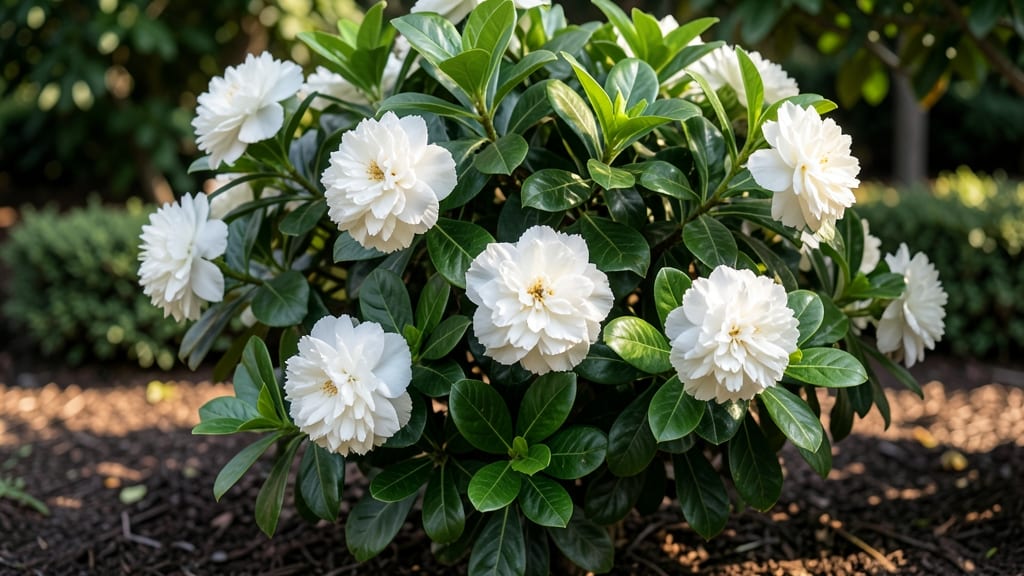
Double bloom gardenias don't just flower—they transform your yard into a fragrant, lush paradise. 🌸 I've learned the heat-triggered secrets that make these varieties rebloom like clockwork, and it starts with the right location and soil prep.
The key is mimicking their tropical roots: 6+ hours of morning sun, rich, acidic soil (pH 5.5-6.5), and consistent moisture without soggy roots. Most gardeners overwater, which drowns the delicate blooms—think of it as a spa day for your plant, not a swamp.
By late summer, you'll see those velvety double blooms opening in waves, each one releasing that intoxicating gardenia scent. The trick is light pruning after blooms fade to encourage new growth, and monthly feeding with acid-loving fertilizer. Works for both in-ground plantings and large containers.
Here's how to coax those reblooms all season long—no black thumb required.
📚 In This Guide
- What you need
- Instructions
- Tips and common mistakes
- Wrapping up and next steps
What you need
- ● Double Bloom Gardenia Plant: A healthy, disease-free Gardenia jasminoides variety known for double blooms (e.g., 'Kleim’s Hardy', 'Radicans', or 'Veitchii').
- ● Well-Draining Soil: 3–5 gallons of acidic potting mix (pH 5.0–6.5). Mix equal parts peat moss, perlite, and pine bark fines.
- ● Pot or Garden Bed: Container: 12–18" pot with drainage holes (terracotta or plastic).
- ● Garden: Sunny, sheltered spot with partial shade (4–6 hours of indirect light daily).
- ● Fertilizer: Slow-release acid-loving plant fertilizer (e.g., 10-10-10 or 8-3-9 with micronutrients).
- ● Watering Can or Hose: With a gentle spray nozzle for hydration.
- ● Pruning Shears: Sharp, sterilized shears for trimming.
- ● pH Test Kit: To monitor soil acidity (critical for reblooming!).
- ● Mulch: Pine needles or oak leaves to retain moisture and acidity.
- ● Heat Mat (Indoor Growers): For winter dormancy control (70–75°F range).
- ● Humidity Tray: Pebbles + water to boost humidity (gardenia loves it!).
- ● Garden Gloves: For safe handling (some gardenias have thorns!).
- ● Spray Bottle (for Mistings): To keep leaves lush and prevent bud drop.
Instructions for cultivating reblooming gardenias
Here's how I coax gardenias into their second flush of blooms—it's all about heat cues and careful pruning.
🌱 Step 1: Select and Plant the Right Variety
Start with a reblooming gardenia cultivar like 'Kleim's Hardy' or 'Radicans'—these are bred to respond to heat triggers. Plant in well-draining, acidic soil (pH 5.0-6.5) with full sun to partial shade (6+ hours of direct light daily). I always test soil pH before planting; gardenias wilt dramatically if the soil is too alkaline.
Dig a hole twice as wide as the root ball but no deeper. Gently remove the plant from its container and tease the roots outward if they're circling. Place it so the top of the root ball sits 1 inch below soil level—this prevents waterlogging while keeping the plant stable. Backfill with native soil mixed with 20% peat moss to maintain acidity.
☀️ Step 2: Master Heat-Triggered Pruning for Reblooms
Prune immediately after the first bloom cycle ends (usually late spring). Cut back 1/3 of the oldest stems to encourage new growth. I use clean, sharp pruners to make 45-degree cuts just above a leaf node—this prevents water from pooling and causing rot. Avoid pruning in fall; you'll sacrifice next year's blooms.
Here's the heat trigger: When daytime temperatures hit consistently above 75°F, your gardenia will respond by producing flower buds for the second flush. Watch for new leaf growth—this signals the plant is actively preparing for rebloom. If your climate stays cool, use a grow light for 12 hours daily to simulate summer conditions.
💧 Step 3: Water and Fertilize for Continuous Blooms
Water deeply 2-3 times per week, soaking the root zone until water runs out the drainage holes. Gardenias hate soggy roots but also can't tolerate dry soil—they'll drop buds if stressed. I check moisture by sticking my finger 2 inches deep; if it feels dry, it's time to water. Always water in the early morning to prevent fungal issues.
Feed with an acid-loving plant fertilizer (10-10-10 or 8-3-9) every 4 weeks during growing season. I mix it into the soil surface and water deeply to activate it. Stop fertilizing 8 weeks before your first frost—new growth won't harden off in time. A mulch ring of pine needles helps retain moisture and slowly acidifies the soil.
✂️ Step 4: Maintain Buds Through Summer Heat
When you see buds forming (they'll appear as small green bumps on stems), reduce watering slightly to stress the plant just enough to set flowers. I cut back to once weekly deep watering unless temperatures exceed 90°F, then increase to every 4 days. Too much water now causes buds to drop.
Watch for aphids or spider mites—they love gardenia buds. I spray with neem oil at the first sign of pests. Deadhead spent blooms immediately to redirect the plant's energy into new flowers. By late summer, you should see a second flush of fragrant blooms if you've followed the heat trigger correctly.
⏰ Step 5: Prepare for Winter Dormancy
When nighttime temperatures drop below 50°F, your gardenia will naturally slow growth. Stop fertilizing and reduce watering to once weekly unless rainfall exceeds 1 inch. I wrap the base of the plant with burlap to protect it from cold winds—this mimics its native tropical habitat.
Prune lightly in late winter (just enough to shape the plant) and never cut back into old wood. Gardenias bloom on new growth, so aggressive winter pruning removes next year's flower buds. With proper care, your plant will reward you with reblooms the following spring.
Tips & tricks for perfect reblooming gardenias
Here's what nobody tells you about getting that second flush of gardenia blooms—these are the secrets that separate a single burst of flowers from months of fragrance.
Soil pH is non-negotiable: Test your soil before planting—gardenias demand a pH between 5.0 and 6.5. If your soil tests higher, amend with sulfur or peat moss before planting. I've seen gardenias wilt dramatically in alkaline soil, and once they struggle, they never fully recover. The 20% peat moss mix in Step 1 isn't just helpful; it's essential for maintaining that critical acidity level throughout the growing season.
Pruning precision prevents problems: When you cut back 1/3 of the oldest stems in Step 2, make those 45-degree cuts just above a leaf node—this isn't just about aesthetics. The angled cut prevents water from pooling at the stem base, which would cause rot. And remember: never prune in fall. That's when your plant is preparing for next year's blooms, and aggressive cuts will remove those potential flower buds before they even form.
Heat triggers need consistency: The 75°F daytime temperature threshold in Step 2 isn't just a number—it's your plant's cue to start producing flower buds. If your climate doesn't naturally hit this consistently, invest in a grow light for 12 hours daily. I've seen gardenias respond dramatically to this artificial heat trigger, producing buds weeks earlier than expected. The key is consistency—fluctuating temperatures confuse the plant and delay reblooming.
Watering strategy saves buds: The reduction to once-weekly watering when buds form in Step 4 is crucial—this slight stress signals the plant to set flowers. But here's the catch: if temperatures exceed 90°F, you must increase to every 4 days. Too much water now causes buds to drop, while too little causes them to shrivel. I check both soil moisture and weather forecasts before watering during this critical period.
Pro Tips for Double Bloom Gardenia
- Here's what nobody tells you about getting that second flush of gardenia blooms—these are the secrets that separate a single burst of flowers from months of fragrance.
- Soil pH is non-negotiable: Test your soil before planting—gardenias demand a pH between 5.0 and 6.5.
- Pruning precision prevents problems: When you cut back 1/3 of the oldest stems in Step 2, make those 45-degree cuts just above a leaf node—this isn't just about aesthetics.
Frequently asked questions
What’s the best way to trigger double blooms in my gardenia?
Double blooms in gardenias are heat-triggered! Start by giving your plant consistent warmth (65–85°F) for 4–6 weeks before blooming season. Use a heat mat or move potted plants to a sunny windowsill or greenhouse. Pro tip: Mimic natural cycles with 12–14 hours of bright light daily—grow lights work if sunlight is scarce.
How long does it take for a gardenia to rebloom after the first flush?
With proper care, gardenias can rebloom 2–3 times per year, typically 6–8 weeks after the first bloom. Prune spent flowers and feed with acidic fertilizer (like 8-3-9) every 4–6 weeks to encourage new buds. Patience is key! Young plants may take up to a year to establish a reblooming rhythm.
Can I grow a double-blooming gardenia from a single-bloom cutting?
Not directly—but you can propagate a cutting to grow a genetically identical plant! Root a healthy stem in water or moist perlite, then transplant once roots form. While the new plant may not automatically double-bloom, some varieties (like G. jasminoides ‘Kleim’s Hardy’) naturally produce clusters. For guaranteed doubles, buy a named cultivar like ‘Radicans’ or ‘Veitchii.’
Why are my gardenia buds dropping before opening?
Bud drop usually signals stress—check these fixes:
- Too dry: Gardenias hate drought. Water when the top inch of soil feels dry (use rainwater or distilled water to avoid fluoride buildup).
- Temperature swings: Keep temps stable; sudden cold (<50°F) or heat (>90°F) shocks buds.
- Low humidity: Mist leaves or use a pebble tray to mimic tropical conditions.
- Over-fertilizing: Too much salt burns roots. Stick to balanced, acidic fertilizer every 6 weeks.
Are there fragrant alternatives to double-bloom gardenias?
If gardenias prove finicky, try these fragrant, reblooming stars:
Plant
Fragrance Notes
Care Level
Jasmine ‘Grand Duke of Tuscany’
Sweet, tuberose-like
Moderate (needs pruning)
Gardenia ‘Fortuniana’ (single but prolific)
Classic creamy jasmine
Easy (thrives in heat)
Plumeria (Frangipani)
Tropical, vanilla-citrus
Low (drought-tolerant)
Bonus: Stephanotis (bridal wreath) has delicate, double-like clusters and a heavenly scent—but grows slower.
Wrapping up and next steps
Growing a double bloom gardenia is a rewarding journey that combines patience, precision, and a little floral magic! 🌸 With the right care—like heat-triggered blooming techniques, proper soil, and consistent moisture—you’ll enjoy stunning, fragrant reblooms that turn heads (and noses!) year after year.
Whether you’re a seasoned gardener or just starting, these tips will set you up for success.
Ready to transform your garden into a fragrant paradise? Start by planting your gardenia in the next warm season and keep an eye on those buds—your hard work will soon pay off in lush, double-blooming beauty! 🌿✨