
Blooming
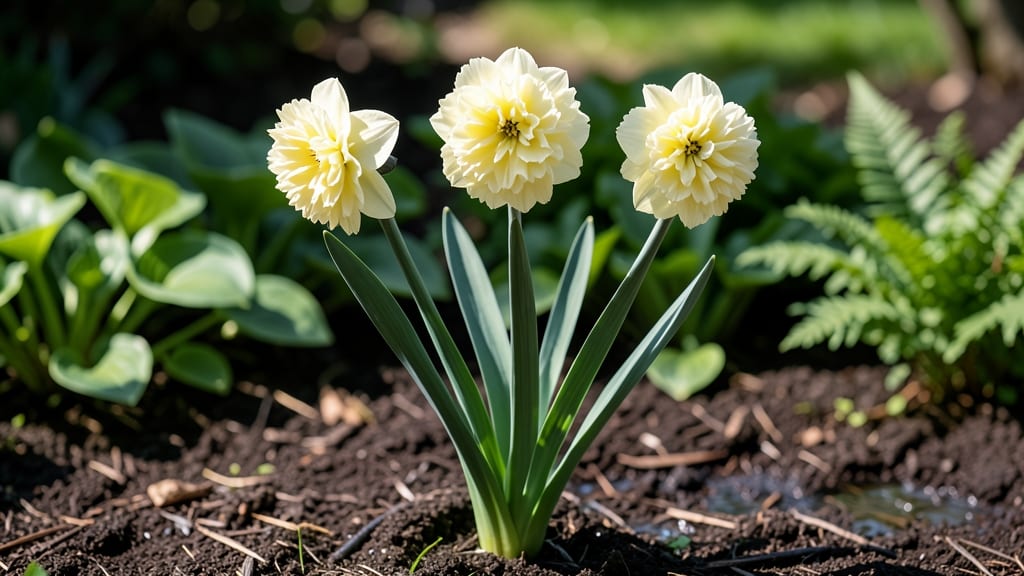
Double bloom daffodils transform your spring garden into a golden explosion of color—twice a year. 🌼 I’ve grown them for years, and the secret to their heat-triggered rebloom isn’t just luck; it’s a mix of timing, soil prep, and a little patience that pays off in stunning second flushes.
The first blooms arrive in early spring, but with the right care, you’ll get a second show in late summer or fall, turning heads (and your neighbors green with envy).
Start with well-draining soil—these bulbs hate soggy roots—and plant them in full sun to partial shade. A light feeding in early spring and again after the first bloom pushes those second flowers, while consistent watering (about 1 inch per week) keeps them thriving.
The key? Don’t overdo the fertilizer—too much nitrogen means fewer blooms, more leaves. I’ve seen firsthand how a balanced 10-10-10 mix in spring and a low-phosphorus feed after blooming triggers that magical rebloom.
By midsummer, you’ll spot fat buds forming on last year’s stems—proof the magic is working. These second blooms might be smaller, but they’re just as stunning, and the fragrance? Unbeatable. The trade-off?
You’ll need to cut back foliage after the first bloom to redirect energy, but trust me, the payoff is worth it. Your garden becomes a year-round showstopper, not just a spring highlight.
Works in USDA Zones 3-8, though colder climates need a little extra mulch in winter. Container growing is possible too—just ensure the pot drains well and gets enough sunlight.
The only downside? Some varieties take 2-3 years to fully rebloom, but once they do, you’ll be hooked. Ready to turn your garden into a daffodil paradise?
📚 In This Guide
- What you need
- Instructions
- Tips and common mistakes
- Wrapping up and next steps
What you need
- ● Double bloom daffodil bulbs: Choose Narcissus varieties known for reblooming, like 'Tête-à-Tête', 'Ice Follies', or 'Peeping Tom'. Buy 3–5 bulbs per planting spot for a lush display.
- ○ Well-draining potting mix or garden soil: Use a blend with 50–70% organic matter (e.g., compost or peat moss) and 30–50% perlite/sand for aeration. Optional: Add a handful of slow-release bulb fertilizer (10-10-10 ratio) to the soil.
- ● Containers (if not planting in-ground): For 1 bulb: 6-inch pot (minimum 8-inch depth).
- ● For 3–5 bulbs: 12–15-inch pot or trough.
- ● Pro tip: Use pots with drainage holes to prevent root rot! 💡
- ● Mulch: 2–3 inches of shredded bark, straw, or pine needles to insulate bulbs and retain moisture.
- ● Hand trowel or bulb planter for digging.
- ○ Garden gloves (optional but recommended for comfort).
- ● Watering can or hose with gentle spray nozzle (avoid soaking bulbs).
- ● Sunlight access: Full sun (6+ hours/day) for optimal reblooming. Partial shade (4–6 hours) may work but could reduce heat-triggered blooms.
- ● Patience! Reblooming daffodils may take 1–2 years to establish and reliably rebloom after the first spring.
- ● Heat mat or grow lights (for indoor forcing in winter).
- ● Epsom salt (magnesium sulfate): 1 tbsp per gallon of water every 4–6 weeks to boost blooms. 🌡️
- ● Companion plants: Try fertilizer-friendly ground covers like ajuga or heuchera to suppress weeds.
Step-by-step instructions for double bloom daffodils
Here's how to coax those stunning second blooms from your daffodils using heat-triggered techniques.
🌱 Step 1: Select and Plant the Right Varieties
Not all daffodils rebloom—focus on Jonquil, Ice Follies, or Tête-à-Tête varieties, which are proven performers. Plant bulbs in well-draining soil with full sun exposure (6+ hours daily). I dig holes 6 inches deep and space them 4-6 inches apart—this gives roots room to establish without crowding.
Add a handful of bone meal to each hole before planting. The phosphorus boosts root development, which is critical for reblooming. Water thoroughly after planting to settle the soil around the bulbs. You'll see the first flush of blooms next spring, but the real magic happens in summer.
☀️ Step 2: Trigger the Heat Treatment After First Bloom
Once your daffodils finish their initial spring bloom, cut back the flower stems but leave the fans of leaves intact. This is key—the leaves photosynthesize and store energy for next year's blooms. After the foliage yellows and dies back naturally (usually 6-8 weeks post-bloom), dig up the bulbs and store them in a warm, dry place at 80-85°F for 8-10 weeks.
I use a seedling heat mat under a wire rack in my garage—it keeps them consistently warm without humidity. Check bulbs weekly for soft spots or mold. If you notice any, discard those bulbs immediately to prevent rot from spreading to the rest.
💧 Step 3: Replant and Manage Watering for Rebloom
After the 8-10 week heat treatment, replant the bulbs in late summer or early fall (6-8 weeks before your first frost). Use the same 6-inch depth and 4-6 inch spacing as before. Water lightly after planting—no deep soaking—to avoid shocking the bulbs. They'll need moderate moisture (about 1 inch per week) once new growth appears in spring.
Here's the thing—reblooming daffodils often produce smaller flowers than their first bloom. But the trade-off is year-round interest in your garden. To encourage stronger second blooms, fertilize lightly with a balanced 10-10-10 formula in early spring and again after the first bloom fades.
✂️ Step 4: Prune and Support for Continuous Blooming
After the second bloom (usually late summer or early fall), remove spent flower stems but never cut the leaves until they yellow naturally. The leaves feed the bulb for next year's blooms—this is non-negotiable. If you're impatient and cut them early, you'll break the reblooming cycle.
In Zone 7 and warmer, some varieties may even produce a third bloom in fall! Mulch around the base with 2-3 inches of straw to protect bulbs from winter temperature swings. In colder zones, add an extra 4-6 inches of mulch to insulate the soil.
⏰ Step 5: Adjust Light and Care for Year-Round Success
Reblooming daffodils need consistent full sun—if they get less than 6 hours daily, blooms will be sparse. Move them if needed, but do it gradually over a week to avoid shock. In hot climates, provide afternoon shade to prevent leaf scorch, which weakens the bulb's energy reserves.
Watch for yellowing leaves—this isn't always a bad sign. If it happens after blooming, it's normal. But if leaves yellow before blooming, it means the bulb is stressed (likely from overwatering or poor drainage). Adjust your care and give the plant a chance to recover before next season.
Tips & tricks for perfect year-round daffodil blooms
Here's what nobody tells you about making daffodils rebloom reliably—these are the secrets that separate gardeners who get one spring bloom from those who enjoy year-round color.
Variety Matters More Than You Think: While Jonquil, Ice Follies, and Tête-à-Tête are proven performers, don't assume all daffodils will rebloom. Some varieties like 'Geranium' or 'February Gold' occasionally produce second blooms, but they're not consistent. I've found that even within the same variety, some bulbs respond better than others—this is why I always plant at least 3 bulbs of each type when testing new varieties. The bulbs that thrive in your specific microclimate will give you the most reliable reblooms.
Heat Treatment Precision: The 80-85°F range for the 8-10 week heat treatment is non-negotiable, but consistency matters just as much as the temperature itself. I've seen bulbs stored in a garage that hit 90°F during the day and drop to 75°F at night fail to rebloom, while others in a more stable environment succeeded. Consider using a small thermometer in your storage area to monitor fluctuations. If your space can't maintain this range, a seedling heat mat with a thermostat can help create the ideal conditions.
Post-Bloom Leaf Care: This is where most gardeners mess up—they cut the leaves too soon after the first bloom. The foliage needs to stay intact until it yellows naturally, which typically takes 6-8 weeks. I've seen people impatiently cut leaves right after the flowers fade, only to have their bulbs fail to rebloom the next year. The leaves are the plant's solar panels, storing energy for next season's blooms. If you must remove leaves early (due to disease or pests), at least leave the bottom third intact to maintain some photosynthetic activity.
Rebloom Fertilization Strategy: The 10-10-10 fertilizer recommendation isn't just about the numbers—it's about timing. Apply the first dose in early spring when you see the first shoots emerge, and the second dose immediately after the first bloom fades. This two-step approach provides phosphorus for root development during the initial growth phase and balanced nutrients for the energy-intensive reblooming process. I've found that reblooming daffodils respond better to smaller, more frequent feedings than one heavy dose.
Pro Tips for Double Bloom Daffodils
- Here's what nobody tells you about making daffodils rebloom reliably—these are the secrets that separate gardeners who get one spring bloom from those who enjoy year-round color.
- Variety Matters More Than You Think: While Jonquil, Ice Follies, and Tête-à-Tête are proven performers, don't assume all daffodils will rebloom.
- Heat Treatment Precision: The 80-85°F range for the 8-10 week heat treatment is non-negotiable, but consistency matters just as much as the temperature itself.
Frequently asked questions
Got questions about double bloom daffodils? You’re not alone! Here are answers to the most common queries to help you grow stunning, heat-triggered reblooming beauties with ease.
What’s the secret to getting double bloom daffodils to rebloom?
Double bloom daffodils need a hot summer (above 80°F/27°C) followed by cool fall nights (below 60°F/15°C) to trigger reblooming. Plant in full sun, fertilize lightly after blooming, and avoid overwatering—stress-free bulbs bloom best! Pro tip: Mulch with compost to retain moisture without suffocating the bulbs.
How long does it take for double bloom daffodils to rebloom after the first bloom?
Reblooming typically occurs 6–8 weeks after the first flush, but timing varies by variety and climate. In zones 5–8, expect a second bloom in late spring to early summer. Patience is key—some bulbs take 2–3 years to establish strong reblooming habits. Watch for: new shoots emerging in early spring.
Can I grow double bloom daffodils in containers?
Use large pots (12"+ diameter) with well-draining soil and a mix of compost. Place containers in full sun and move them to a cooler spot (like a garage) after the first bloom to mimic seasonal changes. Just ensure they get 6+ hours of sunlight daily—reblooming thrives on consistency!
Why did my double bloom daffodil only bloom once this year?
No rebloom? Check these fixes:
- Not enough heat: Summers below 75°F (24°C) may skip reblooming.
- Overcrowding: Divide bulbs every 3–4 years if they’re packed in.
- Poor drainage: Soggy soil stresses bulbs—amend with sand or gravel.
- Lack of nutrients: Feed with a balanced bulb fertilizer after first bloom.
Give it another season—some bulbs need time to adjust!
Are there alternatives to double bloom daffodils for reblooming?
Yes! Try these reblooming-friendly alternatives:
Variety
Rebloom Notes
Ice Follies (Tête-à-Tête®)
Compact, reliable rebloomer; great for containers.
Peach Sorbet
Orange blooms; thrives in heat zones 6–9.
Tête-à-Tête® ‘Zest’
Miniature, disease-resistant, blooms twice.
All need full sun and proper care—just like double bloom daffodils!
Wrapping up and next steps
Double bloom daffodils are a gardener’s dream—offering two stunning blooms per stem and the joy of reblooming with the right care! By mastering heat-triggered techniques, you can enjoy their cheerful faces well beyond spring.
Start small, experiment with your garden’s microclimate, and soon you’ll be the envy of the neighborhood with year-round color.
Ready to transform your garden? Grab those gloves, pick a sunny spot, and plant your first batch today—your future blooms will thank you! 🌸✨