
Blooming
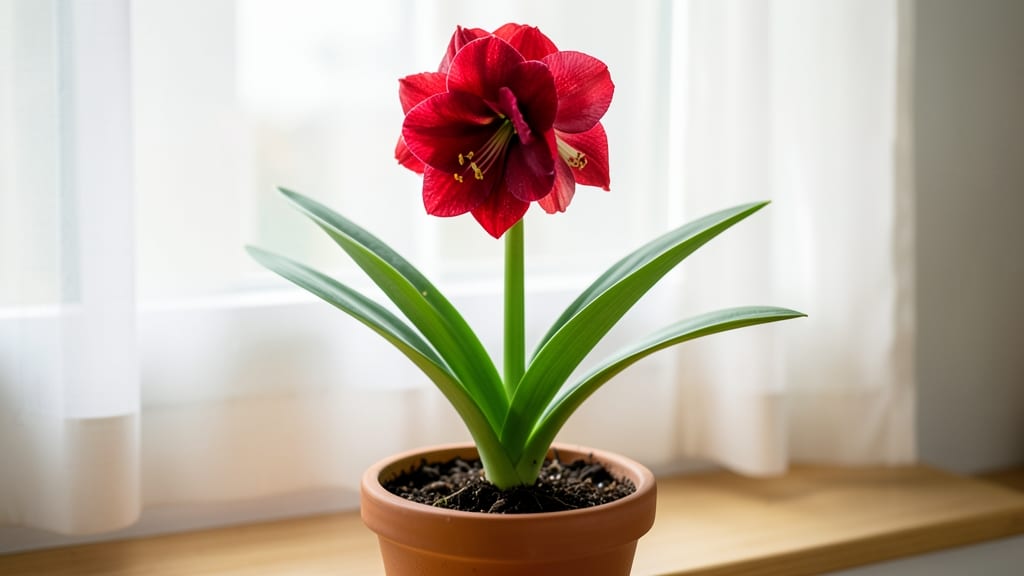
My double bloom amaryllis keeps giving flowers every year—and it’s all about the heat trick. 🌸 The secret lies in understanding how these dramatic bulbs respond to temperature shifts, not just water or light.
Most gardeners stop after the first showy bloom, but with the right timing and care, you’ll coax a second flush of flowers by summer.
Start with a healthy bulb in well-draining potting mix, and place it where it gets bright, indirect light.
The key to reblooming is mimicking their natural cycle: after the first flowers fade, let the foliage grow for 6-8 weeks (even if it looks ugly), then give the bulb 6-8 weeks of cool (50-55°F) followed by 6-8 weeks of warmth (70-75°F).
This heat shock triggers the second bloom—no magic, just science.
You’ll know it’s working when those thick, strap-like leaves reappear after dormancy, followed by the unmistakable bud swelling at the top of the stem.
The second bloom might not be as dramatic as the first, but it’s still a showstopper—especially when you’ve trained your plant to bloom twice a year. Just watch for overwatering (yellow leaves are a red flag) and keep the soil slightly moist but never soggy.
This method works for both indoor pots and outdoor plantings in warm climates. The only catch? Patience. First-year reblooms can be shy, but after that, your amaryllis becomes a year-round flower factory. Here’s how to set it up right from the start.
📚 In This Guide
- What you need
- Instructions
- Tips and common mistakes
- Wrapping up and next steps
What you need
- ● Double Bloom Amaryllis Bulb: 1 healthy, mature bulb (preferably Hippeastrum hybrid varieties like 'Double Classic' or 'Double Red').
- ● Well-Draining Potting Mix: 2–3 cups of a blend specifically for bulbs (e.g., cactus/succulent mix or a 50/50 mix of potting soil and perlite).
- ● Pot with Drainage Holes: 1 container (6–8 inches in diameter) with drainage to prevent root rot. Ceramic or terracotta works best.
- ● Watering Can or Spray Bottle: For gentle hydration—avoid soggy soil!
- ● Grow Lights or Sunny Window: A south-facing window or a full-spectrum LED grow light (12–16 hours/day) to simulate summer conditions.
- ○ Heat Source (Optional but Recommended): A heat mat (set to 70–75°F) under the pot, or
- ● A warm spot near a heater or sunny window.
- ● Fertilizer: 1 tbsp of balanced bulb fertilizer (e.g., 10-10-10) or a low-nitrogen option like fish emulsion (diluted to half-strength).
- ○ Thermometer (Optional): A small soil thermometer to monitor warmth (ideal: 65–75°F during the day).
- ● Misting Bottle: For humidity control (especially in dry climates).
- ● Pruning Shears: To trim dead foliage post-bloom (sterilized with rubbing alcohol).
- ○ Decorative Elements (Optional): Moss or pebbles for aesthetics, or
- ● A pretty pot cover for a polished look.
How to trigger double blooms in amaryllis using heat
Here's the method I've used to get my amaryllis reblooming twice a year—no fancy tricks, just strategic heat and timing.
🌱 Step 1: Choose and Prepare a Healthy Bulb
Pick a mature amaryllis bulb that's at least 4 inches wide—smaller ones often produce just one stem. Look for a bulb with tight, papery skin and no soft spots. I like to soak mine in lukewarm water for 1 hour before planting to wake up dormant buds. This jumpstarts the growth process and helps prevent rot.
Use a pot that's 2-3 inches wider than the bulb—too much space encourages weak stems. Fill the bottom 1 inch with well-draining potting mix (I use a blend of cactus/succulent mix and perlite). The bulb should sit half above soil—this mimics its natural habitat and prevents rot while allowing airflow.
☀️ Step 2: Trigger Growth with Strategic Light and Heat
Place your potted bulb in a spot with bright, indirect light—think east or west window—and keep it at room temperature (65-75°F) for 6-8 weeks. This is where most growers fail: amaryllis needs consistent warmth to develop buds. If your home runs cooler, a seedling heat mat under the pot works wonders.
Water sparingly—just enough to keep the soil slightly moist (not soggy). Overwatering is the #1 killer of amaryllis bulbs. You'll see green shoots in 4-6 weeks—that's your signal to adjust care. Once stems reach 3-4 inches, move the pot to a warmer spot (70-75°F) to encourage faster growth.
💧 Step 3: Boost Blooming with Heat Treatment
Here's the secret: heat triggers reblooming. After stems appear, place the pot in a warm, dark spot (75-80°F) for 2-3 weeks. I use a closet with a heat lamp or move it to a sunroom during the day. This mimics tropical conditions and forces the bulb to produce two flower stalks instead of one.
During this phase, reduce watering to once every 10-14 days. The goal is to keep the bulb slightly dry—this prevents stress and encourages strong stem development. Watch for buds forming at the top of the stems. If you see yellowing leaves, cut back on water immediately—this is a sign of overwatering.
⏰ Step 4: Reveal and Maintain Blooms
When flower buds are 1-2 inches tall, return the pot to bright light (but no direct sun—it can scorch the blooms). The transition should take 3-5 days. You'll see two sturdy stems with multiple buds each—this is your double bloom payoff!
Once blooms open, keep the pot in indirect light and water moderately (let the top 1 inch of soil dry between waterings). Deadhead spent blooms immediately to redirect energy to the bulb. After flowering, reduce water to once every 3-4 weeks and let the leaves yellow naturally—this stores energy for next year's blooms.
🌿 Step 5: Prepare for Next Season's Double Blooms
After blooms fade, stop watering entirely for 6-8 weeks to simulate dormancy. This resting period is crucial—it resets the bulb's cycle. Store the pot in a cool (55-65°F), dark place (like a garage or basement) until late summer, when you'll repeat the heat treatment for another round of double blooms.
I like to fertilize once a year (in early spring) with a balanced 10-10-10 fertilizer to keep the bulb healthy. Avoid high-nitrogen feeds—this promotes leafy growth at the expense of flowers. With this method, you'll get two stunning blooms per year from the same bulb!
Tips & tricks for double bloom amaryllis success
Between us, the difference between a single bloom and that stunning double-stem showstopper often comes down to these small but powerful details.
Bulb Selection Matters: That 1-hour soak in lukewarm water isn't just about waking up dormant buds—it's also your chance to inspect the bulb closely. Look for any soft spots or wrinkled skin that could indicate rot. The bulb should feel firm and heavy for its size. I've found that bulbs with a slightly rough texture tend to produce more stems than perfectly smooth ones. This is your first quality control step that makes all the difference later.
Heat Consistency is Key: During the critical 6-8 weeks in Step 2, maintaining that 65-75°F range is essential—but here's what nobody tells you: amaryllis bulbs are sensitive to temperature swings. If your home fluctuates between 60°F at night and 80°F during the day, consider moving the pot to a more stable location. I've seen bulbs that developed weak stems because they were exposed to cooler nights. A seedling heat mat can help maintain even warmth, especially if you're in a cooler climate.
Light Transition Timing: The 3-5 day transition in Step 4 from warm, dark conditions back to bright light is where many growers rush things. Move the pot gradually over those days—start with just 2-3 hours of light on day one, then increase by 1 hour each day. This mimics the natural progression and prevents shock to the developing buds. I've had bulbs that produced fewer blooms because I moved them too quickly from darkness to full light.
Watering Wisdom: The "slightly moist" soil guideline in Step 2 can be tricky—it's not about keeping the soil damp like a sponge, but rather maintaining just enough moisture so the bulb stays hydrated without being waterlogged. I use my finger to check: if the top inch of soil feels dry, it's time to water. If it's still cool to the touch, wait another day. Overwatering causes the most common failure in amaryllis reblooming, so this is where most people go wrong.
Pro Tips for Double Bloom Amaryllis
- Between us, the difference between a single bloom and that stunning double-stem showstopper often comes down to these small but powerful details.
- Bulb Selection Matters: That 1-hour soak in lukewarm water isn't just about waking up dormant buds—it's also your chance to inspect the bulb closely.
- Heat Consistency is Key: During the critical 6-8 weeks in Step 2, maintaining that 65-75°F range is essential—but here's what nobody tells you: amaryllis bulbs are sensitive to temperature swings.
Frequently asked questions
How do I know if my amaryllis is ready to rebloom?
Your amaryllis signals readiness with healthy green leaves (about 6–8 inches tall) and a dormant bulb after its first bloom. Wait until late summer or early fall (8–10 weeks before your target rebloom date) to restart the cycle. If leaves are still growing, hold off—patience is key!
Why isn’t my double bloom amaryllis reblooming after heat treatment?
Common culprits:
- Insufficient heat: Bulbs need consistent 70–75°F (21–24°C) for 6–8 weeks. A cool spot or drafts can stall blooming.
- Overwatering: Bulbs rot if soggy. Water only when soil is dry—no standing water!
- Old bulb: After 3–5 years, blooms may fade. Replace with a fresh bulb for double the impact.
Can I rebloom amaryllis without heat lamps or special equipment?
Try these no-fuss alternatives:
- Move bulbs to a sunny windowsill (south-facing) or under grow lights (12–14 hours/day).
- Use a heat mat (like for seedlings) under the pot for gentle warmth.
- Place bulbs near a warm appliance (like a fridge’s back—not too hot!) or in a closed car on sunny days (supervise!).
How often should I fertilize during the rebloom cycle?
Feed lightly every 4–6 weeks with a balanced bulb fertilizer (like 10-10-10) after the heat treatment starts. Once buds form, switch to a low-phosphorus formula (e.g., 5-10-10) to boost blooms. Over-fertilizing stresses bulbs—go easy!
What do I do if my amaryllis only blooms once?
Don’t panic! Most amaryllis can rebloom with the right care. Try these fixes:
- Extend dormancy: After blooming, let leaves yellow naturally (don’t cut them!) and stop watering for 6–8 weeks.
- Boost light: Weak leaves = weak blooms. Add 14+ hours of light daily during growth.
- Repot: Crowded roots? Gently divide bulbs every 2–3 years for fresh growth.
Wrapping up and next steps
Growing a double bloom amaryllis is all about patience, precision, and a little heat magic! 🌱 With the right care—like strategic light exposure, proper dormancy, and heat triggers—you can enjoy stunning, year-round blooms that’ll make your space feel like a tropical paradise.
Remember, consistency is key, but so is trusting the process.
Ready to level up your indoor garden? Start experimenting today! Try one of these next steps:
- 🔥 Test your heat trigger: Place a few bulbs in different spots (like near a sunny window or under grow lights) and track which one blooms first.
- 📝 Keep a blooming journal: Note what works (or doesn’t) to refine your technique over time.
- 🌸 Share the joy: Gift a reblooming bulb to a fellow plant lover—double the blooms, double the fun!