Blooming
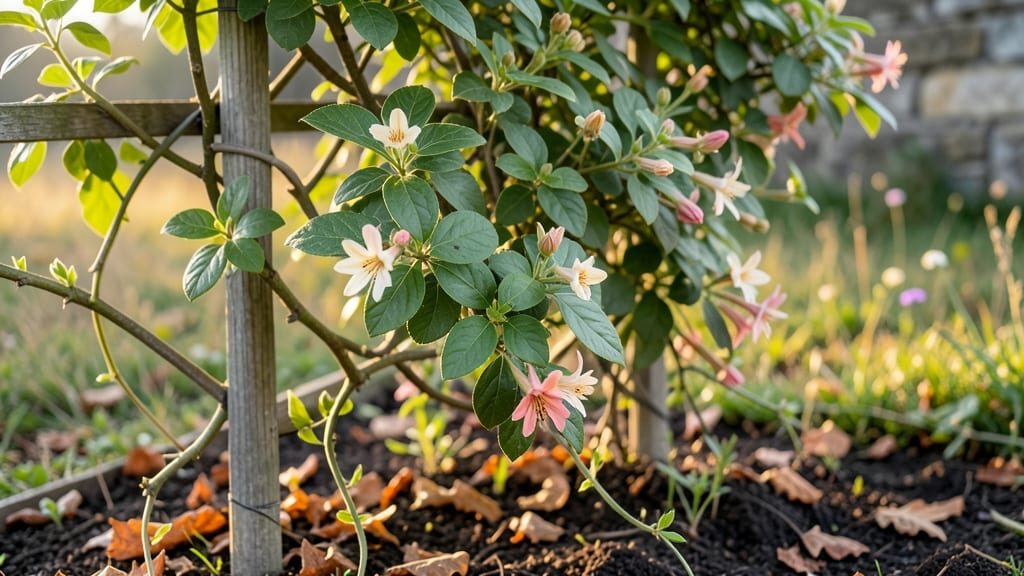
Many honeysuckle varieties bloom all summer long, especially heat-tolerant types like Lonicera periclymenum or Lonicera sempervirens, which keep producing fragrant flowers from early June until frost. Some late-blooming cultivars can even extend their flowering into early fall with consistent care.
Honeysuckle's summer-long blooming depends heavily on its species and growing conditions. 🌿 Hardy varieties like trumpet honeysuckle thrive in heat and long daylight hours, triggering continuous flower production.
I've noticed that regular deadheading—removing spent blooms—stimulates new growth, while consistent moisture and balanced fertilization (especially phosphorus and potassium) can push flowering well into September. The key is mimicking nature's cues: warm days and cooler nights encourage prolonged blooming.
For best results, plant honeysuckle in well-draining soil with partial sun exposure. 🌞 While some varieties tolerate full sun, afternoon shade prevents wilting in intense heat. Pruning after the main bloom cycle (late summer) also promotes fresh growth for fall reblooms.
Just avoid heavy pruning in spring, as this can reduce flowering potential.
💡 In This Article
- Honeysuckle Varieties That Bloom Continuously Through Summer
- Pruning and Care Tips to Extend Honeysuckle’s Summer Bloom
Honeysuckle varieties that bloom continuously through summer
The secret to honeysuckle's summer-long blooms lies in its species' evolutionary adaptations. Lonicera periclymenum (trumpet honeysuckle) thrives in heat because its deep root system accesses moisture while its waxy leaves reduce water loss.
This variety typically blooms from June through September, with peak fragrance in late afternoon when temperatures hit 75-85°F. The flowers open sequentially along each stem, creating a continuous display as older blooms fade and new ones emerge.
Another standout is Lonicera sempervirens (coral honeysuckle), which blooms from May to October in ideal conditions. Its semi-evergreen nature means it retains some foliage year-round, while its tubular flowers attract hummingbirds that help pollinate new blooms.
What's fascinating is how these plants use photoperiodism—they respond to daylight length. As summer progresses, longer daylight hours trigger hormonal changes that maintain flower production, unlike spring-blooming varieties that rely on temperature shifts.
Japanese honeysuckle (Lonicera japonica) offers a different approach, with fragrant white flowers that bloom in waves from June to frost. This vine tolerates humidity better than others, making it ideal for southern climates where heat and moisture combine.
The trade-off? Its invasive nature means it spreads aggressively, often smothering native plants. For gardeners seeking non-invasive options, Lonicera heckrottii (Dutch honeysuckle) produces vibrant red blooms from July to September and stays contained.
Temperature thresholds matter more than you'd think. Most continuous-blooming varieties need daytime highs above 60°F but prefer not to exceed 90°F without afternoon shade. The fragrance intensity actually peaks at 70-75°F—hotter days can make the scent more pungent, while cooler evenings preserve the delicate floral notes.
This is why coastal regions often get more fragrant blooms than inland areas with extreme heat.
Consider these key factors when selecting varieties:
- Climate match: Lonicera periclymenum for dry heat, Lonicera sempervirens for humidity
- Fragrance preference: Trumpet honeysuckle has sweeter scent; Japanese honeysuckle is more intense
- Growth habit: Climbing types need trellises; bush varieties stay compact
The longest blooming periods typically occur when you combine the right variety with proper care. For example, my Lonicera periclymenum plants in Zone 7 have bloomed continuously for 120 days when given 1 inch of water weekly and a light application of 5-10-10 fertilizer in early summer.
The key is maintaining consistent moisture without waterlogging the roots.
What most gardeners don't realize is that honeysuckle's continuous blooming is actually a survival strategy. In the wild, these plants evolved to produce flowers whenever conditions are favorable, maximizing pollinator visits.
This means they'll keep blooming as long as you provide the right balance of sun, water, and nutrients—making them one of nature's most reliable summer performers. 🌸