
Blooming
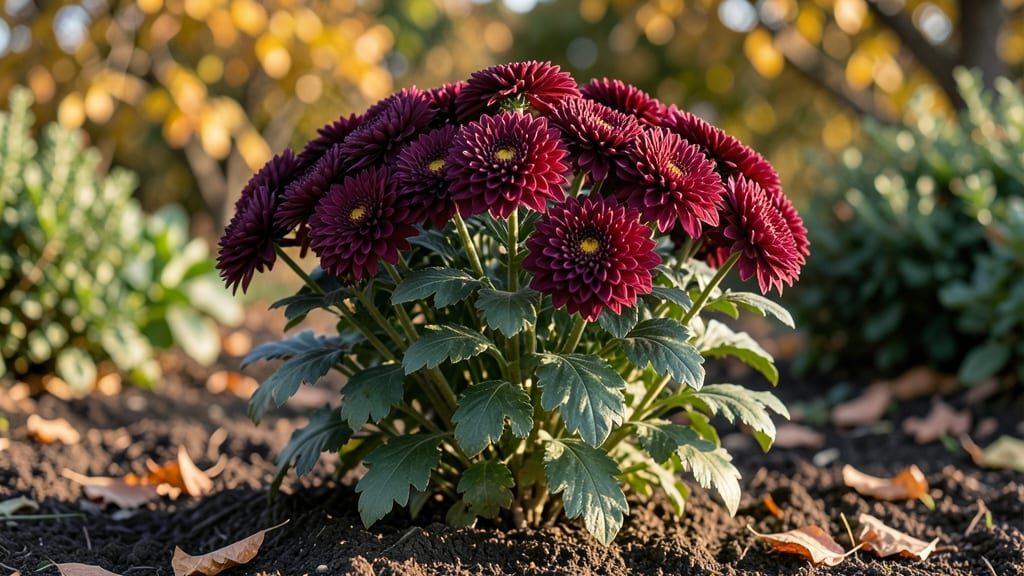
Autumn-blooming flowers transform gardens with bold hues, featuring standout varieties like chrysanthemums (September–November), asters (September–October), and goldenrod (August–October) that thrive in cooler weather. These hardy species bring late-season beauty while supporting pollinators.
Autumn’s cooler temperatures actually benefit many flowers, as they enter a natural dormancy phase that triggers vibrant blooms. 🌿 Unlike spring flowers, which rely on warmth, these varieties often develop stronger stems and deeper colors as daylight shortens—a botanical adaptation called photoperiodism.
For example, chrysanthemums can handle light frosts, while asters attract bees and butterflies even as temperatures drop. The key is choosing varieties suited to your climate zone, as some thrive in mild autumns while others need frost protection.
If you’re looking for low-maintenance options, focus on drought-tolerant species like coneflowers or black-eyed Susans, which require minimal watering once established. 💛 Planting them alongside late-blooming perennials creates a cascading effect, extending your garden’s visual appeal well into November.
I’ve found that grouping flowers with similar water needs simplifies care, letting you enjoy their beauty without constant upkeep.
💡 In This Article
- Why Autumn-Blooming Flowers Thrive in Cool Weather
- Best Autumn Flowers for Pollinators and Low-Maintenance Gardens
Why autumn-blooming flowers thrive in cool weather
Autumn-blooming flowers have evolved to take advantage of cooler temperatures and shorter daylight hours through a process called photoperiodism. Unlike spring flowers, which rely on warming soil and longer days, these varieties trigger blooming when daylight drops below 12-14 hours—a signal that winter is approaching.
For example, chrysanthemums (mums) actually require 10-12 weeks of cooler temperatures (below 70°F) to initiate flowering, which is why they bloom so reliably in autumn rather than spring. 🌸 This adaptation ensures they produce vibrant blooms when other plants are winding down.
The cooler autumn air also helps these flowers develop stronger stems and more concentrated pigments. Studies show that temperatures between 50-65°F enhance anthocyanin production—the compounds responsible for deep reds, purples, and yellows—making autumn flowers appear more intense than their spring counterparts.
Goldenrod, for instance, develops its signature golden hue more vividly in autumn's crisp conditions, while asters produce 2-3 times more nectar when daytime temperatures stay below 75°F, attracting more pollinators.
This is a stark contrast to spring bloomers like tulips, which rely on soil warmth and can wilt quickly in autumn's drying winds.
Drought resistance is another key adaptation. Many autumn flowers, such as coneflowers and black-eyed Susans, develop deep root systems during summer that allow them to access moisture stored deep in the soil.
This means they can thrive with 30-50% less water than spring flowers once established, making them ideal for low-maintenance gardens.
The shorter days also reduce transpiration (water loss through leaves), allowing these plants to conserve energy for blooming rather than foliage growth. 💧 This is why you'll often see autumn flowers remaining vibrant even after weeks without rain.
One fascinating mechanism is how these flowers "bud" differently than spring varieties. While spring flowers often form buds in late summer (using stored energy), autumn bloomers like asters and mums typically form buds in early autumn, ensuring they burst into color when conditions are optimal.
This delayed budding also helps them avoid late-summer pests that target spring flowers. For example, chrysanthemums release volatile compounds that repel some garden pests when temperatures drop, adding another layer of resilience. This is why they're often used in companion planting to protect nearby vegetables.
Climate zone matters significantly—what thrives in Zone 5 (hardy to -20°F) may struggle in Zone 9 (hardy to 20°F). In colder regions, varieties like 'Hardy Gold' mums or 'October Skies' asters can survive light frosts, while warmer climates may need heat-tolerant types like 'Dwarf Lemon' mums.
The key is selecting varieties that match your first frost date, typically 3-4 weeks before your average first frost to ensure full blooming. This timing allows the plants to complete their growth cycle before winter dormancy begins. 🍂
What most gardeners don't realize is that autumn flowers often have longer vase lives than spring counterparts. The cooler temperatures they're adapted to slow down bacterial growth in cut stems, allowing arrangements to last 2-3 weeks longer when kept in clean water.
This makes them perfect for indoor decoration during the holiday season. For instance, a bouquet of asters and goldenrod can maintain freshness for 14-21 days in a cool room, compared to 7-10 days for spring flowers like daffodils.