
Blooming
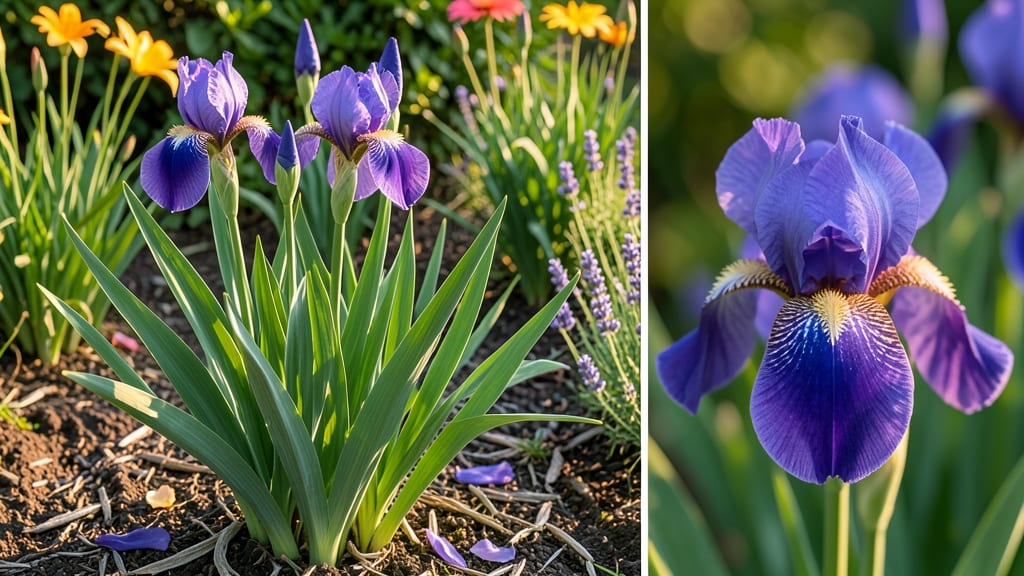
Iris blooms don't last all summer—most varieties produce flowers for just 2-4 weeks in spring, though some types rebloom in late summer or fall with the right care. Climate, species, and pruning habits directly impact how long and often they flower.
Most irises follow a natural bloom cycle where they focus their energy on flowering in spring before entering dormancy. 🌸 This seasonal pattern is hardwired into their growth habits—think of it like a built-in vacation period.
However, certain varieties like Louisiana irises or reblooming bearded irises can produce a second flush of flowers with proper care, often appearing in late summer or early fall. The key difference lies in their genetic programming and how well you support their post-bloom recovery.
What many gardeners don't realize is that even non-reblooming varieties can show extended interest if you pay attention to their needs. For example, proper deadheading (removing spent blooms) redirects the plant's energy toward root development rather than seed production, which can sometimes coax out a few extra flowers.
The climate plays a surprisingly large role too—irises in USDA zones 7-9 often have more consistent reblooming than those in colder regions.
💡 In This Article
- Why Iris Blooms Fade: Natural Growth Cycles Explained
- How to Encourage Longer Iris Blooming Seasons
Why iris blooms fade: natural growth cycles explained
Iris blooms follow a strict biological timeline because these plants are hardwired for seasonal efficiency. After their spectacular spring display—typically lasting 2-4 weeks—irises shift their energy from flowering to rhizome (root) development and storage.
This transition is triggered by daylight length and temperature cues; as days grow longer in spring, the plant's internal clock signals it to bloom, but once that window closes, it enters a dormancy-like state to conserve energy for next year. 🌱 The rhizomes act like biological batteries, storing carbohydrates that fuel both the current year's growth and next season's flowers.
The specific timing varies by species: Dutch irises (often grown as annuals) bloom early spring but fade quickly, while bearded irises (the classic garden variety) have a more extended display.
Louisiana irises, native to warmer climates, often bloom twice—once in spring and again in late summer—because their genetic programming responds differently to temperature shifts.
Climate plays a critical role here: In USDA zones 7-9, where winters are mild, irises may experience more consistent reblooming than those in colder regions where dormancy is deeper and longer.
What's happening beneath the soil is just as important as what you see above ground. A healthy rhizome—typically 1-2 inches below soil level—stores enough energy to support blooming, but if it's stressed (from overwatering, poor soil, or disease), the plant will prioritize survival over flowers.
The rhizome's thickness matters too: Mature rhizomes (about 2-3 inches wide) produce more robust blooms than young, thin ones. This is why established iris beds often outperform newly planted ones—older rhizomes have built up more reserves.
Daylight length is the primary trigger for iris blooming cycles. Most varieties need 12-14 hours of daylight to initiate flowering, which explains why spring blooms are so reliable. After this window closes, the plant shifts focus to photosynthesis and rhizome thickening rather than producing flowers.
This biological efficiency ensures the plant survives through summer heat and winter cold, but it also means you can't force continuous blooming without genetic adaptations (like in reblooming varieties). 🌿 The trade-off is that by investing in rhizome health during the off-season, you create a stronger foundation for next year's display.
One fascinating exception is the reblooming iris, which has been selectively bred to produce a second flush of flowers. These varieties often bloom in late summer or early fall because their genetic programming includes a secondary response to temperature shifts.
For example, the 'Florence Scott' bearded iris is known for its reliable reblooming habit, producing 10-15 flowers per stalk in both seasons. The difference lies in their ability to break dormancy earlier in the year, a trait that gardeners can encourage with specific care techniques.
Understanding these natural cycles helps explain why you might see a few late blooms on non-reblooming varieties. Sometimes, if the plant has extra energy stored (from ideal growing conditions), it might produce a secondary stalk or two in late summer.
However, this is more of an exception than the rule—most irises are designed to bloom once and then rest. The key to working with this biology is to support the plant's natural rhythms while giving it the tools to recover and rebloom when possible.