
Blooming
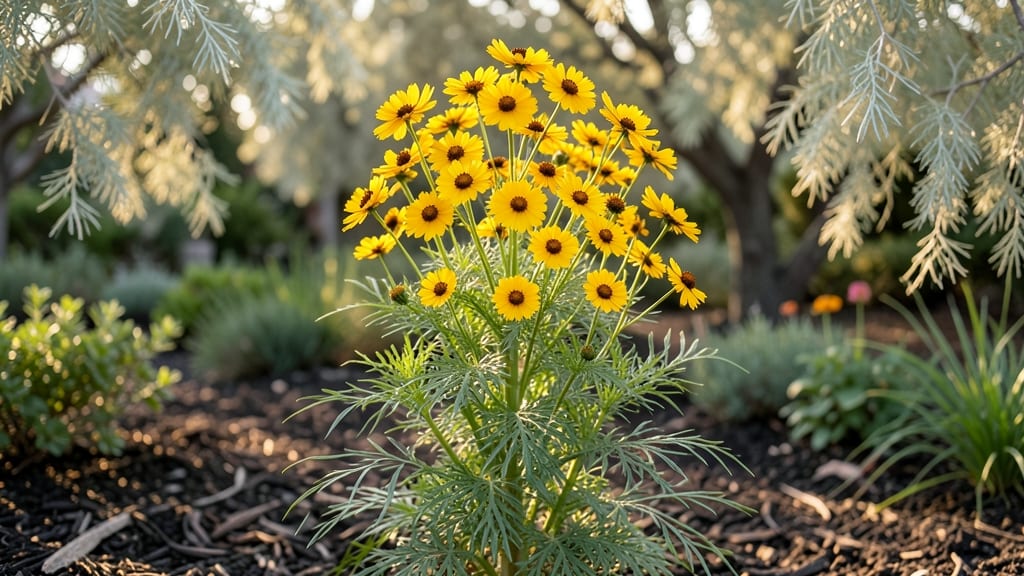
Coreopsis does bloom all summer in many varieties, particularly heat-resistant types like Coreopsis verticillata and Coreopsis gigantea, which continue flowering with proper sun exposure and deadheading. Some early-blooming cultivars may taper off by late summer without maintenance.
Many gardeners are surprised to learn that coreopsis can maintain vibrant blooms throughout the entire growing season when given the right conditions. 🌞 The secret lies in their deep root systems, which store moisture and nutrients, combined with their remarkable heat tolerance—some varieties actually rebloom more vigorously as temperatures rise.
This makes them perfect for hot, dry climates where many other perennials struggle. I've seen 'Moonbeam' coreopsis in my own garden continue producing cheerful yellow flowers well into September, even when other annuals have already faded.
What sets these long-blooming varieties apart is their ability to respond to deadheading—the simple act of removing spent blooms encourages new flower production. This isn't just about aesthetics; it's a biological response where the plant redirects energy from seed production back into creating more flowers.
For gardeners in the southern U.S., this means you can enjoy continuous color without needing to replant annuals every few weeks.
💡 In This Article
- How Heat and Sunlight Trigger Coreopsis Reblooming
- Best Coreopsis Varieties for Continuous Summer Blooms
How heat and sunlight trigger coreopsis reblooming
Coreopsis' summer-long blooming is primarily driven by its remarkable heat tolerance and deep taproot system. Unlike many perennials that slow down in hot weather, coreopsis actually thrives when temperatures rise between 75-95°F.
The plant's deep roots (often extending 3-4 feet underground) store moisture and nutrients, allowing it to continue flowering even during drought conditions. This adaptation is particularly valuable in regions like the Southwest U.S., where summer heat can be intense. 🔥
The reblooming process begins with photoperiod sensitivity—the plant's response to daylight length. While coreopsis isn't strictly a "long-day" plant like some others, it responds to consistent sunlight by producing more flower buds.
Varieties like Coreopsis verticillata (threadleaf) have a unique ability to reset their flowering cycle after each bloom, thanks to their semi-evergreen growth habit. This means they can produce new flowers continuously as long as environmental conditions remain favorable.
Deadheading plays a crucial role in this process by removing the spent flowers that would otherwise produce seed heads. When you pinch off these blooms, the plant interprets this as a signal to redirect its energy from seed production back into creating new flowers.
Studies show that deadheaded coreopsis can produce 30-50% more blooms throughout the season compared to untreated plants. The key is to remove only the faded flowers while leaving the foliage intact to maintain photosynthesis.
Sunlight intensity also matters—coreopsis needs at least 6-8 hours of direct sun daily to maintain vigorous blooming. In partial shade, plants may produce fewer flowers and exhibit weaker stems.
The plant's waxy leaves help reduce water loss through transpiration, allowing it to maintain its flowering capacity even in hot, dry conditions. This is why you'll often see coreopsis thriving in xeriscape gardens where water conservation is essential.
What most gardeners don't realize is that coreopsis actually benefits from occasional heat stress. When daytime temperatures exceed 90°F, the plant enters a semi-dormant state at night, which helps it conserve energy.
This natural cycle allows it to "reset" and produce new blooms more vigorously when temperatures moderate again. This is particularly noticeable in late summer when many other perennials begin to decline.
For maximum blooming potential, consider these key factors: soil drainage (coreopsis hates soggy roots), proper spacing (12-24 inches apart depending on variety), and consistent moisture during establishment. The combination of these factors creates the perfect environment for coreopsis to continue its spectacular summer display well into autumn. 🌟