
Blooming
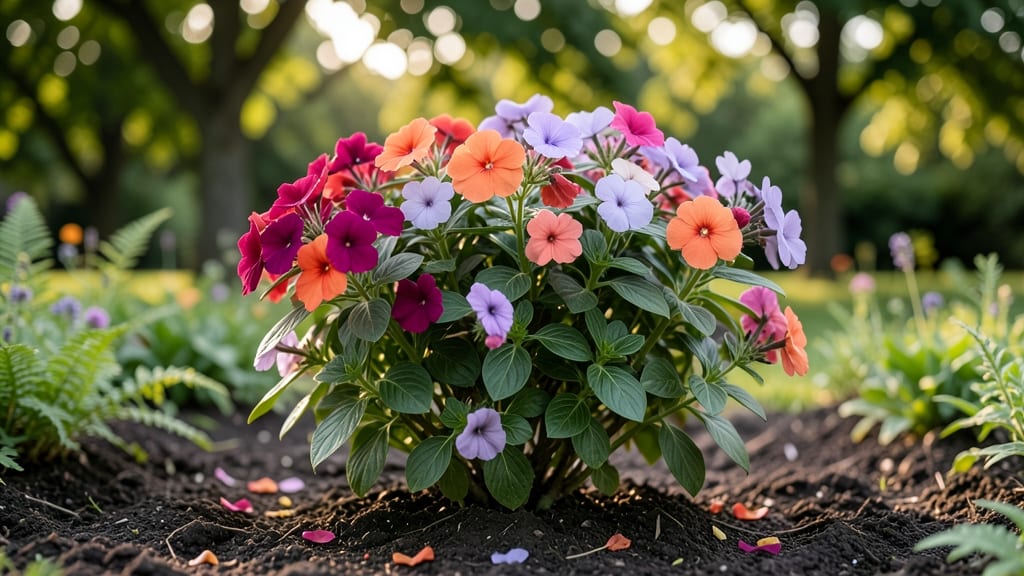
Impatiens bloom all summer long in milder climates like USDA zones 10-11, but they often wilt by late summer in hotter zones 6-9. Heat-sensitive varieties like traditional impatiens fade faster than heat-tolerant New Guinea types, which thrive with consistent moisture and afternoon shade.
Impatiens are summer's showstoppers—but their performance depends heavily on your climate. 🌸 In zones 10-11, they'll happily bloom from spring until frost, while zones 6-9 often see late-summer wilting due to heat stress.
The key difference? New Guinea impatiens handle summer heat better thanks to their thicker leaves and deeper roots, which retain moisture longer. Traditional impatiens, while stunning, need cooler temperatures to keep blooming consistently.
For gardeners in hotter zones, the secret to extending blooms lies in watering and shade. I've found that mulching helps retain soil moisture, while morning watering prevents fungal issues from evening dampness.
A light afternoon shade cloth can also make a dramatic difference in summer heat—just don't block all sunlight, as impatiens still need 4-6 hours of bright light daily to thrive.
💡 In This Article
- Impatiens Heat Tolerance by Variety and USDA Zone
- Late-Season Care Tips to Prolong Impatiens Blooms
Impatiens heat tolerance by variety and USDA zone
Impatiens thrive in cooler climates because their delicate leaves and shallow roots struggle with temperatures above 85°F. In USDA zones 10-11, where summer highs rarely exceed 90°F, they bloom continuously from spring through frost.
The key difference lies in their leaf structure: New Guinea impatiens have thicker, waxier leaves that reduce water loss, while traditional varieties have thinner leaves that transpire moisture rapidly in heat.
In zones 6-9, late-summer wilting occurs when daytime temperatures climb above 90°F for prolonged periods. Traditional impatiens often show heat stress symptoms like yellowing leaves and dropped buds by mid-August, while New Guinea types may persist until early September.
The reason? New Guinea varieties evolved in tropical regions with consistent humidity, giving them a 5-10°F higher heat tolerance than their temperate cousins.
Humidity plays a crucial role too. In dry climates (like zone 9b), impatiens may wilt by noon even at 88°F without proper care. Their shallow root systems can't access moisture deep enough, causing leaves to curl and buds to abort.
This is why gardeners in hotter zones often see blooms fade by late July—the plants simply can't keep up with evaporative demands.
What most gardeners don't realize is that nighttime temperatures matter just as much. Impatiens need 12-14 hours of darkness daily to reset their blooming cycle. In northern zones (6-7), shorter summer nights can trigger early dormancy, while southern zones (8-9) often see heat stress before daylight hours become limiting.
This is why you'll see impatiens in zone 7 bloom until early September but fade by mid-August in zone 9.
Here's what's actually happening at the cellular level: High temperatures (95°F+) cause stomata (leaf pores) to close, preventing photosynthesis while still allowing water loss.
This creates a moisture deficit that triggers wilting. New Guinea varieties have 30% larger stomata that close more efficiently, conserving water better than traditional types.
For visual comparison, imagine two plants side by side: The traditional impatiens wilts by 2 PM on a 92°F day, while the New Guinea type may only show slight droop by 4 PM. The difference comes down to their evolutionary adaptations—one for temperate gardens, one for tropical heat.