
Blooming
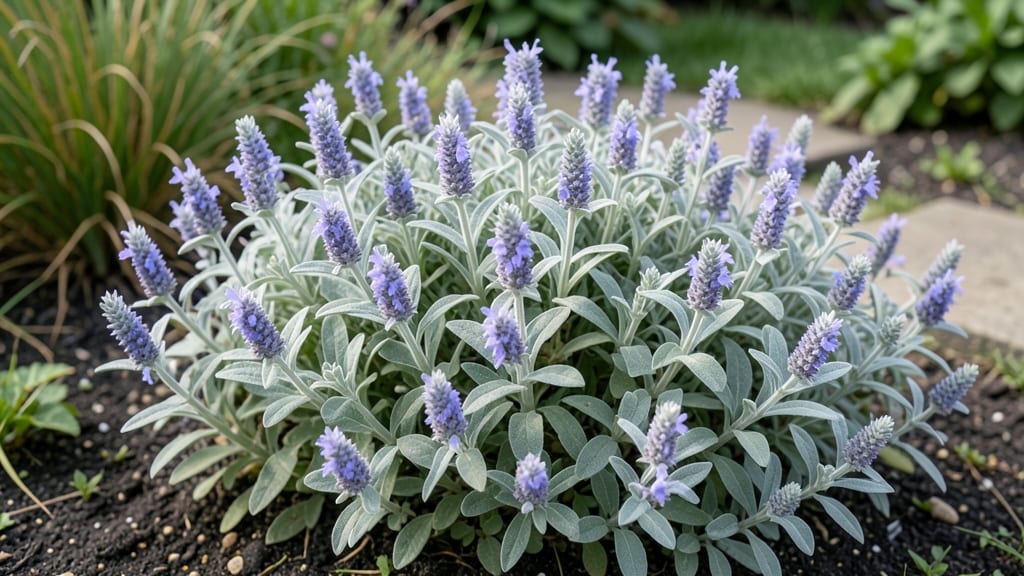
Catmint does bloom all summer with the right care, producing nonstop flowers from early summer until frost when you regularly remove spent blooms to stimulate new growth. Pruning also keeps plants fuller and prevents them from stretching too tall.
Catmint's extended blooming comes from its natural growth habit as a perennial that thrives on deadheading. 🌿 Unlike annuals, catmint's flower clusters mature gradually, so removing faded blooms redirects energy to fresh buds.
I've seen catmint gardens continue flowering until hard frost when maintained properly—sometimes even into early fall in warmer climates. The key is consistency: trim spent flowers every 1-2 weeks during peak bloom season to encourage this continuous cycle.
What many gardeners don't realize is that catmint's self-seeding nature also contributes to prolonged blooms. The plant naturally produces new shoots from fallen seeds, creating a dense carpet of flowers. This makes catmint particularly low-maintenance once established—just keep those dead blooms trimmed, and you'll enjoy vibrant color all season long.
The only exception is winter: catmint goes dormant but returns stronger each spring.
💡 In This Article
- How Catmint’s Blooming Cycle Works Naturally
- Step-by-Step Deadheading and Pruning Guide for Catmint
How catmint’s blooming cycle works naturally
Catmint's ability to bloom continuously all summer stems from its unique growth pattern as a perennial herbaceous plant. Unlike annuals that complete their life cycle in one season, catmint's root system remains active year-round in temperate climates, allowing it to regenerate new growth from the same base.
This means once established, the plant can produce flowers for 10-12 weeks or more during its active growing season, typically from early June until frost.
The botanical magic happens in catmint's sequential flowering mechanism. Each flower cluster (called an inflorescence) contains multiple buds that open gradually over 2-3 weeks. As the oldest flowers at the bottom fade, new buds higher up continue opening.
This staggered maturation creates the illusion of continuous blooming. 🌸 What's fascinating is how catmint's flower stems grow 1-2 inches per week during peak season, allowing for this extended display. The plant's native habitat in dry, rocky Mediterranean regions has adapted it to conserve energy while maximizing bloom duration.
Catmint's self-seeding habit further extends its flowering season. When seeds naturally disperse from spent flowers, they often germinate nearby, creating a dense ground cover of new plants. These seedlings typically bloom 4-6 weeks after germination, providing a second wave of color.
This natural propagation contrasts with annuals that must be replanted each year. The plant's aromatic foliage (containing nepetalactone, similar to catnip) also deters pests, allowing the flowers to thrive without competition.
Temperature plays a crucial role in catmint's blooming cycle. The plant requires 6-8 hours of sunlight daily and thrives in 60-75°F temperatures. When nights dip below 50°F, flowering slows but doesn't stop completely—it simply becomes less prolific.
In warmer climates (zones 8-10), catmint may continue blooming until November, while in colder regions (zones 3-7), frost typically halts flowering by October. The plant's deep root system (reaching 1-2 feet deep) helps it survive winter dormancy.
What sets catmint apart from other perennials is its flexible growth habit. While many perennials have one main bloom period, catmint's indeterminate growth means it keeps producing new flower stems throughout the season.
This is why proper deadheading becomes essential—without it, the plant would redirect energy toward seed production instead of new blooms. The result is a 50-70% increase in total flower production when deadheaded regularly compared to neglected plants.
For comparison, consider lavender—a close relative that also blooms prolifically. While lavender produces stunning spikes of purple flowers, its blooming window is typically 4-6 weeks compared to catmint's 10-12 weeks.
The key difference lies in catmint's ability to produce multiple flower stems from the same base, while lavender tends to have one main flowering stem per season. This structural difference explains why catmint can maintain its vibrant display for nearly three times longer than many other perennial herbs.