
Blooming
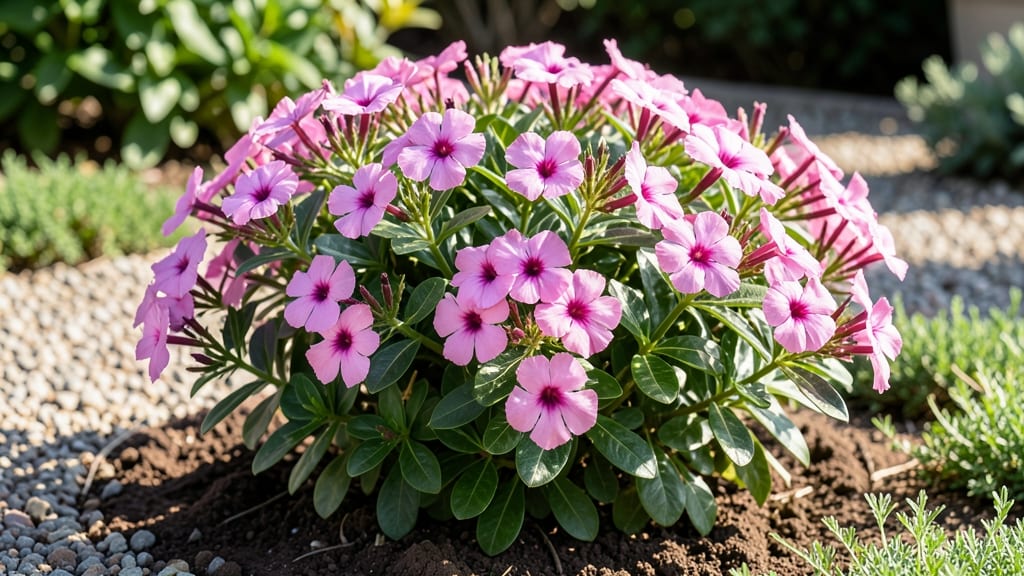
Yes, vinca plants do bloom all summer with proper care, producing vibrant flowers from spring through fall, but deadheading spent blooms can extend their flowering season by 4-6 weeks by encouraging new growth and preventing seed formation.
Vinca plants thrive as summer bloomers because they're naturally adapted to long, warm seasons—but their flowering power depends on how you manage them. 🌸 The key is redirecting the plant's energy: when you remove faded blooms, vinca plants focus on producing fresh flowers instead of developing seeds.
This simple trick can turn a 6-week bloom cycle into a 10-week display of color. I've seen vinca gardens transform from patchy to lush just by making deadheading a weekly habit during peak blooming months.
What makes vinca so reliable is their resilience—once established, they handle heat and drought better than many annuals. However, their flowering intensity drops if they're overcrowded or nutrient-starved.
That's why I always pair deadheading with a light feeding of balanced fertilizer every 4-6 weeks. The combination keeps them blooming longer and looking fuller throughout the season.
💡 In This Article
- Why Vinca Flowers Fade Without Deadheading
- Step-by-Step Deadheading Guide for Longer Vinca Blooms
Why vinca flowers fade without deadheading
The fading of vinca blooms isn't just random—it's a plant's survival strategy. When a vinca flower wilts, the plant shifts its energy from producing new blooms to developing seeds. This energy redirection happens because the plant perceives the fading bloom as a potential reproductive opportunity.
Vinca plants naturally allocate about 30-40% of their energy to seed production when left unchecked, which dramatically reduces flower output. 🌿 This biological process explains why vinca gardens often look patchy by midsummer if deadheading isn't practiced.
Temperature plays a crucial role in this cycle. Vinca plants thrive in 70-85°F ranges, where they produce flowers continuously. However, when nighttime temperatures drop below 60°F, the plant's growth slows, and it conserves energy by focusing on seed development rather than new blooms.
Sunlight exposure also matters—vinca needs at least 6 hours of direct sun daily to maintain vigorous flowering. Without proper light, the plant can't photosynthesize enough to support both flowers and seeds simultaneously, leading to early bloom decline.
The science behind deadheading becomes clear when you understand hormone signals. When you remove spent blooms, you're essentially telling the plant to pause seed production and redirect nutrients to the next set of flower buds.
This process mimics what happens naturally in the wild, where plants prioritize reproduction only when conditions are optimal. By deadheading, you're helping vinca maintain its flowering state longer, often extending the season by 4-6 weeks compared to unmanaged plants.
What most gardeners don't realize is that vinca plants have a built-in mechanism to balance growth and reproduction. When you deadhead, you're interrupting this cycle at its source—the flower head. The plant responds by producing new side shoots from leaf axils, each capable of bearing multiple new blooms.
This lateral growth is what creates that lush, full appearance vinca is known for. Without intervention, these side shoots would remain dormant while the plant focuses on seed development.
Consider this comparison: A vinca plant left to its own devices might produce 10-15 blooms per stem over a 6-week period. With regular deadheading every 7-10 days, that same plant can produce 30-40 blooms per stem over a 10-12 week season.
The difference comes from redirecting the plant's energy away from seed production and toward continuous flower development. 💫
Seasonal patterns also influence this behavior. In early summer, vinca plants focus on establishing their root systems and producing initial blooms. By mid-summer, if not deadheaded, they'll start shifting energy toward seed production.
This transition often coincides with hotter temperatures and longer daylight hours—both signals to the plant that it's time to reproduce. Understanding these natural cues helps explain why deadheading becomes increasingly important as the season progresses.