
Blooming
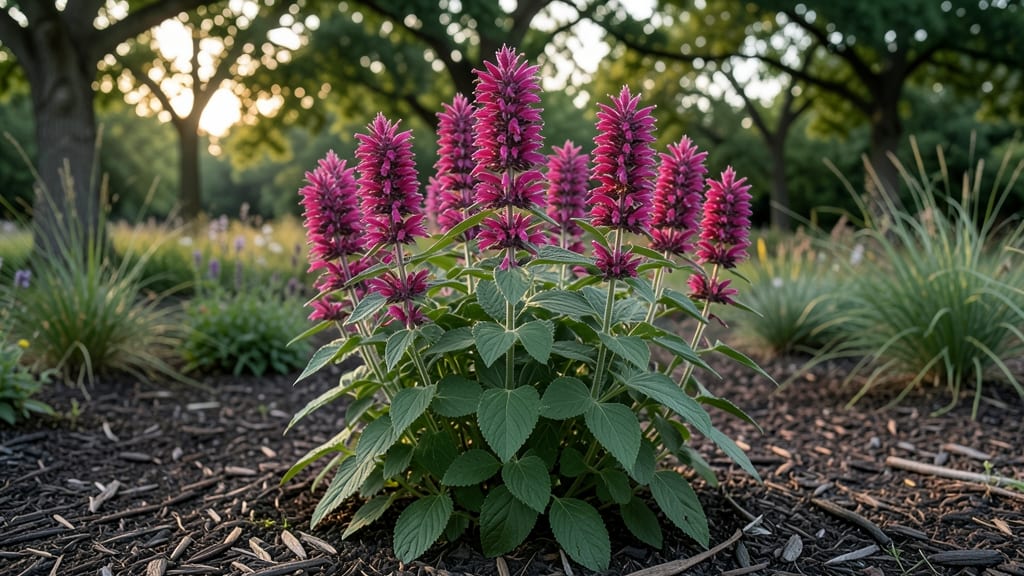
Bee balm does not bloom the first year, instead directing its energy toward developing a robust root system and lush foliage. Flowering typically begins in the second season, though some varieties may produce a few blooms earlier under optimal growing conditions.
This growth pattern mirrors many perennials, where the first year is all about building strength underground. 🌱 The plant prioritizes deep root establishment to support future blooms, which is why you’ll often see bee balm bursting with vibrant leaves but no flowers in its first summer.
Some gardeners report sparse blooms in the first year if the plant is grown from cuttings or receives exceptional care, but these are exceptions rather than the rule.
What’s fascinating is how this behavior changes in the second year. With a well-developed root system, bee balm shifts its energy toward producing those signature clusters of tubular flowers that attract pollinators.
The timing can vary slightly based on your climate zone—cooler regions might see delayed blooming, while warmer areas could get early flowers if winter conditions were mild.
💡 In This Article
- Why Bee Balm Needs Two Years to Flower
- Tips to Encourage Early Bee Balm Blooms
Why bee balm needs two years to flower
Bee balm follows a biennial growth pattern, where the first season is dedicated entirely to building structural strength. This herbaceous perennial allocates 70-80% of its energy to developing a deep, fibrous root system that can reach 12-18 inches below the soil surface.
The roots store carbohydrates and nutrients, which act like a biological battery for future growth. Think of it like a marathon runner's training phase—all the foundational work happens before the big performance.
The plant's above-ground growth in year one is equally strategic. You'll notice thick, square stems and broad leaves that maximize photosynthesis, converting sunlight into energy for root development. The foliage often grows 12-24 inches tall by late summer, but the stems remain non-flowering.
This is your clue that the plant is prioritizing survival over reproduction. The key chemical here is auxin, a plant hormone that suppresses flowering while promoting vegetative growth during this critical first year.
Environmental factors dramatically influence this timeline. Bee balm grown in USDA Zones 4-8 may show delayed flowering if exposed to harsh winters, as cold stress can further divert energy toward root protection.
Conversely, plants in milder climates (like Zone 9) might produce 1-2 small flower spikes in their first year if given full sun (6-8 hours daily) and well-draining soil with pH 6.0-7.0.
The soil's moisture content also plays a role—consistent moisture encourages root expansion, while drought stress can delay flowering by up to a year.
What's particularly interesting is how bee balm's flowering mechanism works. The plant uses a process called vernalization, where exposure to cold temperatures (typically 4-6 weeks below 40°F) triggers flowering hormones.
This is why you'll often see more reliable blooms in the second spring, as the plant has completed its cold requirement. The first year's growth essentially primes the plant for this hormonal shift, much like how a seedling's first leaves prepare it for flowering in subsequent years.
Some gardeners report seeing sparse blooms in the first year when using rooted cuttings rather than seeds. This happens because cuttings already have an established root system, allowing the plant to divert some energy toward flowers immediately.
However, these early blooms are typically smaller and less abundant than what you'd expect in year two, and they often appear later in the season (August-September) rather than the typical June-July bloom window.
Understanding this growth cycle helps explain why some gardeners get frustrated with their bee balm's first-year performance. The plant isn't being lazy—it's following an evolutionary strategy that ensures robust growth before reproduction.
This two-year cycle is particularly noticeable in Monarda didyma (common bee balm) and Monarda fistulosa (wild bergamot), though some hybrid varieties may show slightly different patterns due to their genetic makeup.