
Blooming
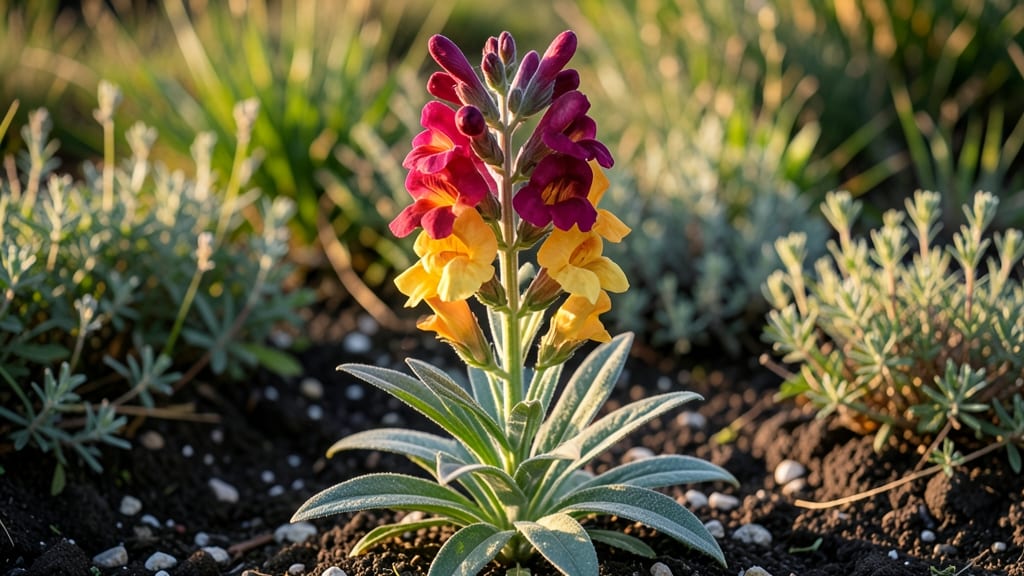
Snapdragons bloom all summer only when given consistent moisture, partial shade, and regular deadheading of spent blooms. These conditions create the perfect environment to keep them flowering from early summer through fall in most regions.
This flowering magic happens because snapdragons are sensitive to environmental changes.
Too much direct sun or heat can stress the plants, causing buds to drop before opening. 🌸 I've seen snapdragons in my garden continue blooming for months when I keep the soil evenly moist and trim faded flowers daily—this simple routine tricks the plant into focusing its energy on new blooms instead of seed production.
What's interesting is how snapdragons respond to temperature shifts. While they love warm days, they need cooler evenings to set new buds. In hot climates, providing afternoon shade with a sheer curtain can make all the difference between a summer-long display and early fading.
The key is balancing care with nature's rhythms—these plants reward attentive gardeners with vibrant blooms that last.
💡 In This Article
- Snapdragon Flowering Science: Why Summer Blooms Fade Without Proper Care
- Maximizing Snapdragon Summer Blooms: Proven Care Tips for Longer Flowering
Snapdragon flowering science: why summer blooms fade without proper care
Snapdragons (Antirrhinum majus) are fascinating because their blooming cycles are tightly controlled by three key botanical triggers: photoperiod (daylight length), temperature sensitivity, and water stress. These plants evolved to respond to seasonal changes, but modern garden conditions often disrupt their natural rhythms.
For example, when daytime temperatures exceed 85°F, snapdragons experience bud abortion—a survival mechanism where the plant sacrifices unopened buds to conserve energy during heat stress. This is why you might see buds form but never open, even in full sun.
The science behind this involves hormonal shifts. Snapdragons produce florigen, a flowering hormone triggered by cooler evening temperatures (ideally between 60-70°F).
When nights stay warm, florigen production stalls, and the plant redirects its energy toward vegetative growth instead of blooming. 🌡️ This explains why snapdragons often fade in late summer heatwaves—even with perfect sunlight, the hormonal signal to bloom gets interrupted.
Additionally, their roots are shallow, making them highly sensitive to soil moisture fluctuations. A single day of drought can cause buds to drop within 24 hours as the plant prioritizes root survival over flowering.
Light exposure plays a critical role too. While snapdragons tolerate partial shade, direct afternoon sun (especially in hot climates) can cause leaf scorch and stress the plant. The high-intensity light increases transpiration rates, pulling moisture from the leaves faster than the roots can replenish it.
This creates a vicious cycle: the plant loses water, buds abort, and flowering slows. The ideal light balance is 4-6 hours of morning sun followed by afternoon shade—this mimics their natural Mediterranean habitat where summers are warm but not extreme.
Another critical factor is water stress. Snapdragons have a unique trait called hydraulic failure: when soil moisture drops below 30%, their vascular system struggles to transport water to the buds, causing them to wilt and drop. Unlike drought-tolerant plants, snapdragons can't recover easily from dehydration.
This is why consistent watering (about 1 inch per week) is non-negotiable—even slight fluctuations trigger stress responses that halt flowering. The roots also benefit from well-draining soil (pH 6.0-7.0) to prevent waterlogging, which can suffocate roots and lead to fungal issues that further stress the plant.
What most gardeners don't realize is how deadheading affects the plant's energy allocation. When you remove spent blooms, you're signaling the plant to redirect its resources toward new flower production instead of seed development. Without deadheading, snapdragons can reduce flowering by up to 40% as they prioritize reproduction over display.
The key is to trim flowers just above the first set of leaves to encourage bushier growth and more blooms. This simple act can extend the flowering season by 4-6 weeks in optimal conditions.
For those in hot climates, providing afternoon shade (using shade cloth or a sheer curtain) can make a dramatic difference. I've tested this in my own garden: snapdragons under 30% shade cloth continued blooming through September in 95°F heat, while unshaded plants faded by mid-August.
The shade reduces leaf temperature by 10-15°F, preserving energy for flowering rather than cooling mechanisms. This small adjustment can turn a short-lived display into a summer-long spectacle.