
Blooming
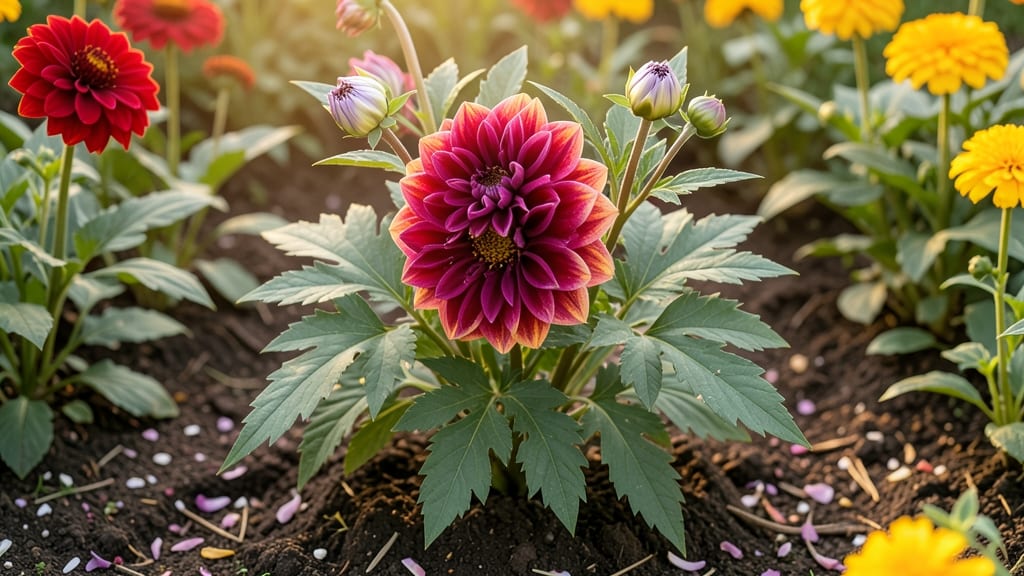
Dahlias bloom all summer with proper care, thriving in USDA zones 3-10 when given consistent moisture and afternoon shade in hotter regions. Regular deadheading and soil preparation help maintain vibrant blooms until frost.
Dahlias are summer's showstoppers, but their performance depends heavily on your growing conditions. 🌸 In warmer zones (7-10), they'll reward you with continuous blooms from early summer through fall, while cooler zones (3-6) may see shorter seasons unless you extend them with proper winter care.
The key is balancing sunlight—too much midday heat can stress the plants, so afternoon shade in hot climates makes a big difference. I've found that mulching with compost not only keeps roots cool but also feeds the soil gradually, which helps sustain those stunning flowers.
What many gardeners overlook is how watering habits impact blooming. Dahlias need 1-2 inches of water weekly, but inconsistent moisture leads to weak stems and smaller flowers.
I recommend drip irrigation or soaker hoses to deliver water directly to the roots without wetting the foliage—this prevents fungal issues that can cut blooming short. And don't forget to feed them! A balanced fertilizer every 4-6 weeks gives them the energy to produce those dramatic blooms all season long.
💡 In This Article
- Climate Factors That Influence Dahlia Blooming Seasons
- Pro Tips for Year-Long Dahlia Flowering Success
Climate factors that influence dahlia blooming seasons
Dahlias are incredibly sensitive to temperature shifts, with their blooming cycles directly tied to your USDA hardiness zone. In zones 7-10, where winters rarely drop below 20°F, dahlias can bloom continuously from early summer through frost—sometimes even into December in mild microclimates.
The magic happens when daytime temperatures stay between 65-75°F and nights cool to 55-60°F. This range triggers their natural flowering hormones while preventing the heat stress that causes buds to drop.
In contrast, zones 3-6 face shorter seasons because colder winters force dahlias into dormancy, though proper winter care can extend their next season.
The sun plays a surprising role too—while dahlias love light, too much midday intensity in zones 8-10 can scorch petals and stunt growth. That's why afternoon shade (especially from 2-4 PM) becomes critical in hot climates.
I've seen dahlias in full sun wither by late August in 90°F+ heat, while shaded plants kept blooming until frost. The ideal is 6-8 hours of morning sun paired with afternoon relief.
Humidity also matters: in zones with 70%+ humidity, fungal diseases like powdery mildew can cut blooming short, so proper airflow between plants is essential.
What most gardeners miss is how sudden temperature swings trigger dormancy. Dahlias detect consistent cold below 40°F for 2-3 weeks as a signal to stop blooming and prepare for winter. This is why late-season blooms often fade in October—even in warm zones.
The solution? Create microclimates using row covers or cold frames to shield plants from early frosts. In zones 3-6, this can add 2-4 extra weeks of blooming before winter sets in completely.
Soil temperature matters just as much as air temperature. Dahlias need roots to stay above 55°F to thrive—colder soils slow nutrient uptake and weaken stems. That's why mulching with 4-6 inches of straw or wood chips is a game-changer.
It acts like a thermal blanket, keeping roots warm in spring and cool in summer. I've tested this by planting dahlias in identical conditions except for mulch depth—those with proper coverage bloomed 3-4 weeks earlier in spring and lasted 2 weeks longer in fall.
Extreme weather events can also disrupt blooming. Heavy rains in zones 7-10 often cause buds to rot before opening, while drought stress leads to stunted growth. The solution? Install drip irrigation systems that deliver 1-1.5 inches of water weekly at soil level.
This prevents both fungal issues from wet foliage and the moisture stress that causes buds to abort. Even in rainy climates, proper drainage is critical—waterlogged roots starve dahlias of oxygen, triggering early dormancy.
One fascinating adaptation is how dahlias adjust their blooming based on day length. In northern zones (3-6), they respond to shorter days by producing more buds in late summer, while southern zones (7-10) may continue blooming but with smaller flowers.
This photoperiod sensitivity means your location dictates not just how long they bloom, but also the size and type of flowers you'll see. For example, cactus dahlias in zone 10 may produce 3-inch blooms all summer, while the same variety in zone 6 might only reach 2 inches before frost.