
Blooming
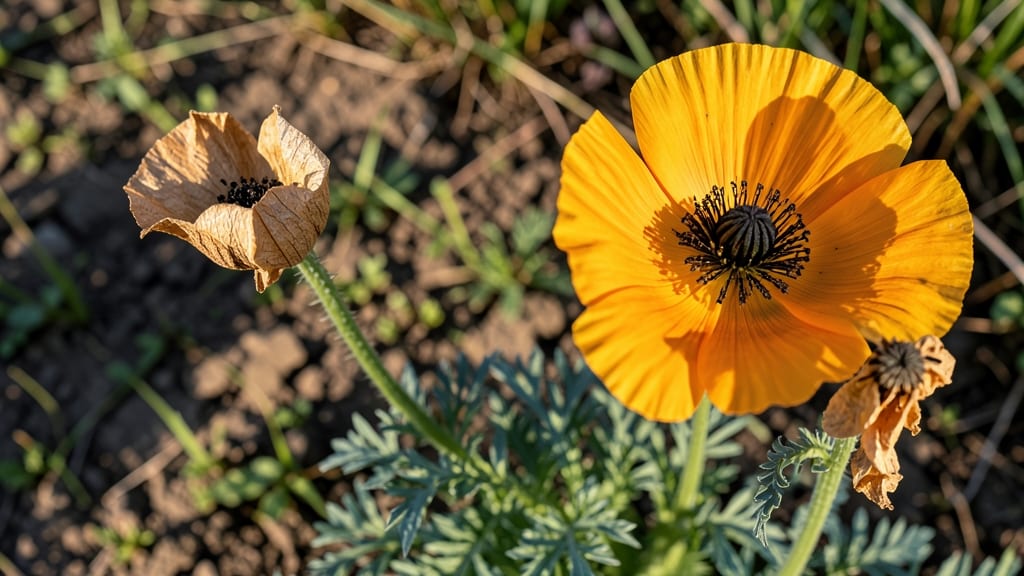
Do poppies bloom more than once? The answer depends on the type—most poppies bloom just once per season, but some perennial types can rebloom if given proper care. Annual poppies complete their lifecycle in one growing season, while hardy perennials like Iceland poppies may produce multiple flowerings with strategic deadheading and seasonal maintenance.
This blooming behavior actually makes perfect sense when you consider how poppies allocate their energy. Annual poppies focus all their resources on one spectacular bloom cycle to ensure seed production before dying back, while perennials like Iceland poppies store energy in their roots for future growth.
The key to encouraging reblooming lies in removing spent flowers promptly (deadheading) and providing consistent moisture during their active growing periods. 🌸 I've found that well-drained soil with a balanced fertilizer also helps perennial poppies recover faster between bloom cycles, sometimes resulting in a second flush of flowers in late summer or early fall.
What many gardeners don't realize is that light conditions play a surprisingly large role. Most poppies thrive in full sun but can become stressed if they receive too much afternoon heat in hot climates.
I've noticed that providing some afternoon shade during peak summer months actually helps perennial poppies conserve energy for potential reblooming later in the season. The trade-off is worth it when you see those delicate blooms reappear after what seemed like a permanent goodbye!
💡 In This Article
- Why Most Poppies Bloom Just Once Per Season
- How to Encourage Repeat Blooming in Perennial Poppies
Why most poppies bloom just once per season
The single-bloom cycle of most poppies is actually a brilliant survival strategy rooted in their reproductive biology. Annual poppies like the iconic California poppy (Eschscholzia californica) allocate nearly all their energy to producing one spectacular bloom cycle, which triggers seed production and ensures the next generation's survival.
This one-and-done approach makes evolutionary sense—annuals have only one growing season to complete their lifecycle before dying back, so they prioritize reproduction over extended flowering.
Perennial poppies take a different approach, storing energy in their root systems for future growth. However, even these varieties often bloom just once per season because their energy reserves are finite.
The Iceland poppy (Papaver nudicaule), for example, typically produces its main bloom in spring or early summer, then enters a dormant phase to rebuild resources.
What's fascinating is how this energy allocation works: up to 70% of a poppy's photosynthetic energy during flowering goes toward seed production rather than maintaining foliage or preparing for reblooming. 🌱 This is why you'll often see poppy plants look exhausted after their first bloom—all that energy has been funneled into creating seeds.
The botanical trigger for this behavior comes from a combination of daylight hours and temperature cues. Most poppies are long-day plants, meaning they respond to increasing daylight in spring by initiating flowering. Once they've completed this cycle, the plant's internal clock shifts focus to seed maturation.
The process involves complex hormonal changes where ethylene gas production increases as flowers age, signaling the plant to prepare for senescence (the natural aging process that leads to death in annuals).
Here's where the annual vs. perennial distinction becomes crucial: annual poppies complete this entire cycle in just 60-90 days from seed germination to seed production, while perennials may take 2-3 years to reach full maturity and establish their root systems.
This explains why annual poppies never rebloom—they've already achieved their reproductive goal. Perennials, however, can potentially rebloom if they've stored sufficient energy and haven't been stressed by environmental factors like drought or poor soil conditions.
What most gardeners overlook is how soil nutrition affects this cycle. Poppies are light feeders that actually prefer lean soil—too much nitrogen promotes leafy growth at the expense of flowering.
The ideal soil mix for poppies contains 50-60% sand for excellent drainage, which prevents root rot and allows them to allocate more energy to blooming rather than struggling with waterlogged conditions. This is why you'll often see poppies thriving in poor, rocky soils where other plants would struggle.
The visual difference between annual and perennial blooming strategies is striking.
Annual poppies like the corn poppy (Papaver rhoeas) produce dozens of flowers simultaneously in a single burst, creating that classic "poppy field" effect, while perennials like the oriental poppy (Papaver orientale) may produce fewer but larger, more dramatic blooms over a slightly extended period.
This difference in flowering strategy explains why annual poppies are often used in wildflower mixes—their one-time spectacular display is exactly what makes them so visually impactful. ✨