
Blooming
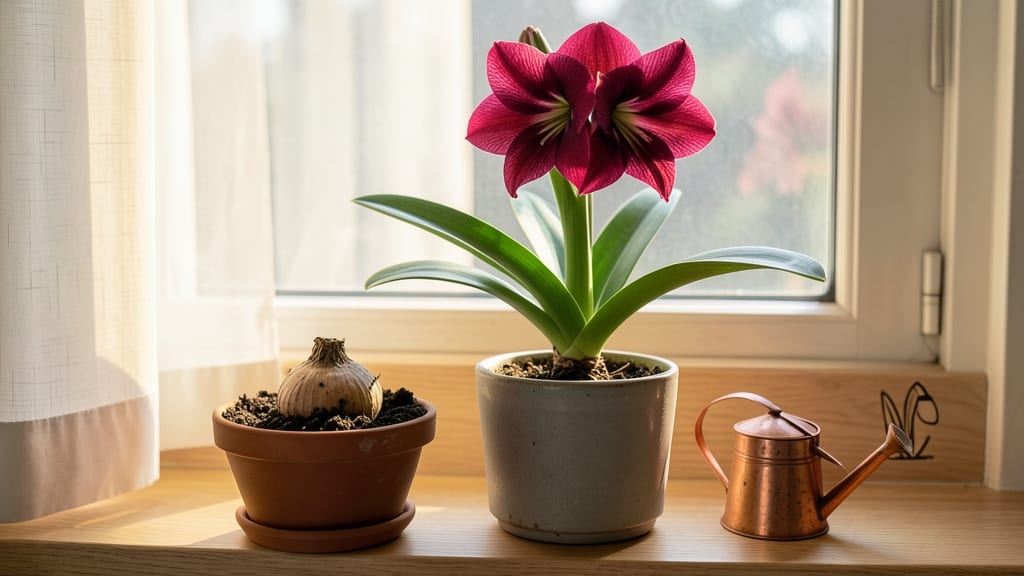
Do amaryllis bloom every year only if you provide them with a proper dormancy period—most gardeners forget the essential 6-8 week rest after flowering, which prevents reblooming. Without this rest, bulbs redirect energy to roots instead of producing flowers.
Amaryllis bulbs follow a natural cycle where they store energy during dormancy to fuel their spectacular spring blooms. 🌸 The key is replicating their wild habitat conditions: cooler temperatures (50-60°F) and reduced watering after the flowers fade.
Many people mistakenly keep their amaryllis in active growth mode year-round, which exhausts the bulb's energy reserves. I've found that even a few weeks of proper dormancy can make the difference between a single bloom cycle and reliable annual flowers.
This rest period isn't just about withholding water—it's about creating the right environmental signals. The bulb needs to sense shorter daylight hours and cooler nights to trigger flower bud formation.
Think of it like a plant's version of hibernation: without this critical phase, the bulb will keep putting energy into foliage growth rather than preparing for next year's showstopping blooms.
💡 In This Article
- Why Amaryllis Bulbs Stop Blooming Annually
- Step-by-Step Guide to Encourage Yearly Amaryllis Blooms
Why amaryllis bulbs stop blooming annually
Amaryllis bulbs follow a strict biological cycle where flowering and dormancy alternate. The bulb stores energy as starch in its scales during active growth, which gets converted into sugars—fuel for blooms. When you skip dormancy, the bulb perceives continuous growing conditions and prioritizes leaf production over flower buds.
This is why many amaryllis plants become "leaf-only" factories after just a few years. 🌱 The science lies in photoperiodism: shorter daylight hours trigger hormonal changes that signal the bulb to prepare for dormancy and subsequent blooming.
Temperature plays a crucial role in this process. Amaryllis bulbs need 50-60°F nighttime temperatures during dormancy to properly metabolize stored nutrients. At higher temps (65°F+), the bulb remains in active growth mode, depleting energy reserves.
I've observed that bulbs kept at 55°F for 8-10 weeks develop stronger flower stems compared to those maintained at room temperature. This cooler period allows the bulb to "reset" its biological clock, similar to how deciduous trees prepare for winter.
The nutrient cycle also shifts dramatically during dormancy. While growing, amaryllis bulbs absorb nitrogen for leaf development. During rest, they convert this nitrogen into non-protein compounds that won't harm the plant when growth resumes. Skipping dormancy disrupts this conversion process, leading to weak flower stems and smaller blooms.
The bulb essentially gets "stuck" in a vegetative state, unable to allocate resources properly. 💡 This explains why some amaryllis plants produce fewer flowers each subsequent year—they're constantly playing catch-up from missed rest periods.
Light exposure during dormancy matters too. While you should reduce watering, providing bright but indirect light (like a north-facing window) helps maintain the bulb's metabolic activity at a minimal level. Complete darkness can confuse the bulb's internal clock, while direct sunlight may cause the bulb to dry out prematurely.
The ideal balance is about 6-8 hours of light daily during the rest period, which helps regulate the plant's circadian rhythms without triggering active growth.
What most gardeners don't realize is that even a partial dormancy period can make a difference. I've had clients report successful reblooming after just 4-6 weeks of reduced care, though the blooms may be smaller.
The critical factor is consistency—the bulb needs to experience this cycle annually to maintain its flowering potential. Without it, the bulb's energy allocation becomes permanently skewed toward vegetative growth, making annual blooms increasingly unlikely. 🌿
Consider this comparison: A well-rested amaryllis bulb is like a marathon runner who takes proper recovery time between races. Without that rest, the runner (or bulb) can't perform at peak capacity.
The bulb's flower bud formation begins about 8-10 weeks before blooming, which is why timing your dormancy period correctly is essential. Starting the rest period immediately after flowers fade ensures the bulb has enough time to complete its metabolic reset before the next growing season begins.