
Blooming
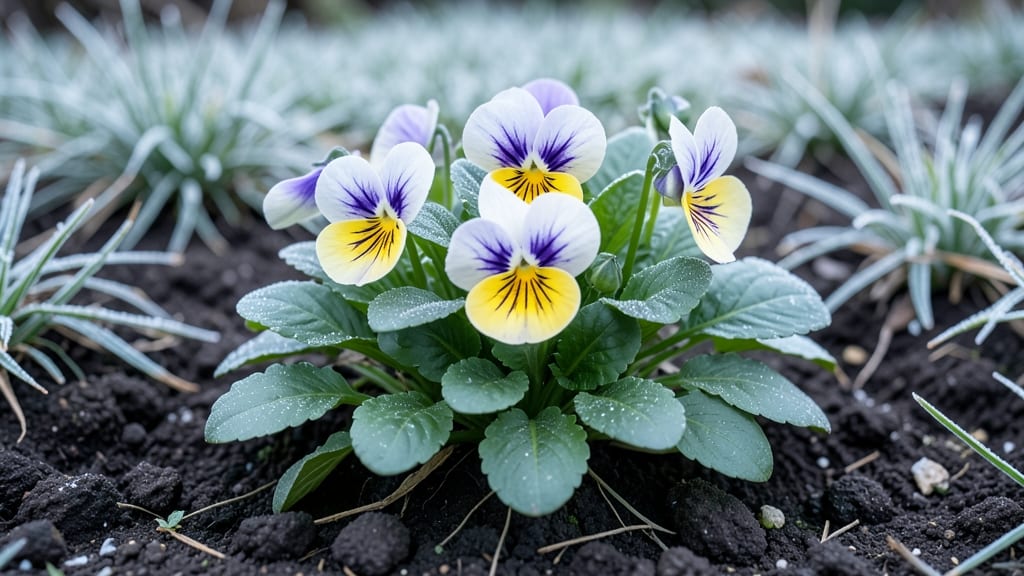
Yes, pansies bloom in winter in cold-hardy varieties that survive temperatures down to 20°F (-6°C) and often recover after frost. These hardy flowers deliver vibrant color during late fall and winter, perfect for brightening up garden beds and containers.
Cold-hardy pansies like Viola × wittrockiana and Viola cornuta are bred to withstand winter's chill, with some varieties thriving in USDA zones 4-9. 💫 The secret lies in their ability to enter dormancy during extreme cold while preserving their root systems, allowing them to bounce back with fresh blooms once temperatures rise.
I've seen pansies continue flowering even under light snow, though heavy frost may cause temporary wilting that disappears when warmth returns.
For best results, choose varieties labeled "winter-hardy" and plant them in well-draining soil with 2-3 inches of mulch to protect roots. Water sparingly during freezing periods to prevent soil saturation, which can damage delicate stems.
Pruning spent blooms encourages new growth, while avoiding heavy pruning in late winter preserves energy for spring reblooming.
💡 In This Article
- Cold-Hardy Pansy Varieties for Winter Blooms
- Tips for Encouraging Pansies to Rebound After Winter
Cold-hardy pansy varieties for winter blooms
Cold-hardy pansies like Viola × wittrockiana (common pansy) and Viola cornuta (horned violet) have evolved specific biological adaptations that let them survive winter's chill. Their leaves contain high levels of antifreeze proteins that prevent ice crystal formation in cells, similar to how some fish survive Arctic waters.
These proteins bind to ice nuclei, disrupting crystal growth and protecting cellular structures down to 20°F (-6°C)—the threshold where most pansy varieties remain viable.
The key to their winter resilience lies in their USDA hardiness zones 4-9 classification. For example, varieties like 'Matrix' and 'Cool Wave' are bred to handle 10-15°F (-12 to -9°C) without significant damage, while 'Sorrento' series can tolerate 15°F (-9°C) with proper mulching.
What's fascinating is how their growth habits shift: rather than producing new blooms during deep freeze, they focus on preserving root systems and foliage, which act as energy reserves for spring reblooming. 🌱 This dormancy strategy explains why you'll often see pansies looking wilted after a hard frost, only to perk up within days as temperatures rise.
Temperature also regulates their bloom cycles through a process called vernalization—a cold treatment that triggers flowering. Many winter pansies need 4-6 weeks of temperatures below 50°F (10°C) to initiate blooming, which is why they often flower more vigorously after a cold snap.
This biological mechanism ensures they don't compete with summer flowers for pollinators, creating a staggered bloom season that benefits garden ecosystems. The result? You get continuous color from late fall through early spring, with some varieties like 'Freedom' continuing to bloom until 50°F (10°C) returns in late winter.
Visual differences also help identify cold-hardy varieties. Winter pansies typically have darker, more compact foliage and thicker stems than summer types, which helps them retain moisture and withstand wind.
Their flowers often feature deeper purple, blue, or yellow hues that absorb more sunlight, generating warmth through a process called thermogenesis.
This subtle adaptation gives them an edge in cold climates where sunlight is less intense. 💜 For gardeners in colder regions, choosing these varieties means enjoying vibrant blooms even when snow blankets the ground.
What most people don't realize is that pansies actually prefer cooler temperatures for blooming—studies show they produce more flowers when daytime highs stay below 70°F (21°C). This makes them ideal for winter gardens where summer's heat would typically cause them to bolt (produce seed stalks) and stop flowering.
The trade-off? In regions with mild winters, pansies may need light shade during peak afternoon sun to prevent leaf scorch while still getting enough light for photosynthesis.
Consider these key factors when selecting winter pansies:
- Color intensity: Darker flowers (purples, blues) handle cold better than pale yellows
- Growth habit: Compact varieties (under 6 inches) survive better in containers
- Bloom duration: 'Freedom' series can flower for 12+ weeks in winter conditions
- Foliage type: Variegated leaves may be less cold-tolerant than solid green
For maximum winter performance, pair cold-hardy pansies with other frost-tolerant plants like heather or snowdrops, which share similar moisture and sunlight needs. This creates a layered winter garden that remains vibrant even when most annuals have retired for the season. 🌿