
Blooming
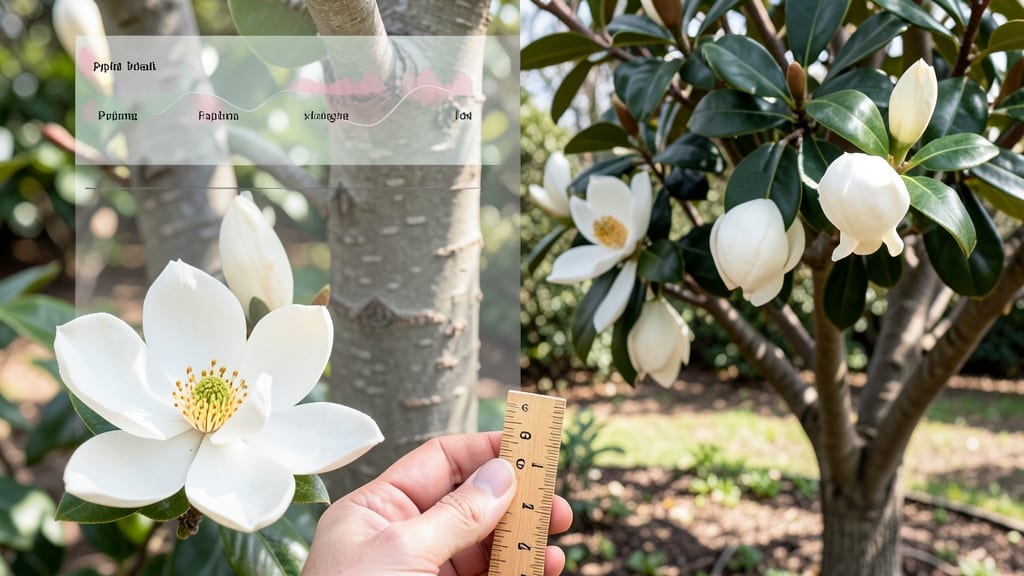
Magnolia trees do not bloom twice a year under normal conditions, but certain varieties—like Southern magnolias or heat-sensitive hybrids—may produce secondary blooms if given consistent warmth, proper care, and extended daylight exposure.
Most magnolias follow a strict annual blooming schedule tied to their natural dormancy cycle, where buds form the previous summer and open in spring. 🌸 However, some heat-loving cultivars (such as Magnolia 'Little Gem' or Magnolia stellata) can trigger reflowering if temperatures stay above 75°F for extended periods, though this isn't guaranteed.
The key factors are species genetics and environmental conditions—think of it like a delicate balance between nature's clock and your garden's microclimate.
For example, Southern magnolias (Magnolia grandiflora) occasionally produce a second flush of blooms in late summer if summer heat persists, while star magnolias (Magnolia stellata) may reflower if pruned correctly after their initial spring display.
This isn't true for all magnolias—evergreen varieties like saucer magnolias rarely produce secondary blooms, but deciduous types with thinner bark (like Magnolia 'Black Tulip') show more flexibility.
💡 In This Article
- How Temperature and Species Influence Magnolia Reflowering
- Tips to Encourage Secondary Blooms in Magnolia Trees
How temperature and species influence Magnolia reflowering
Magnolia blooming cycles are governed by a complex interplay of temperature, daylight hours, and species-specific genetics. Most magnolias follow a monocarpic blooming pattern, where buds form during the previous summer's warm months and open in spring.
For example, Southern magnolias (Magnolia grandiflora) typically bloom in late spring to early summer, with buds developing in response to 60-80°F temperatures during the prior summer.
However, some varieties—like Magnolia stellata—can produce secondary blooms if summer temperatures remain consistently above 75°F for 4-6 weeks, triggering a second round of bud formation. 🌡️
The science behind this involves dormancy release mechanisms. Magnolias are deciduous or evergreen depending on the species, but both types rely on temperature cues to break dormancy. Evergreen magnolias, like Magnolia grandiflora, store energy in their roots and bark, allowing them to reflower if summer heat persists.
In contrast, deciduous varieties like Magnolia 'Black Tulip' may reflower more readily because their thinner bark responds faster to temperature shifts. Daylight exposure also plays a role—longer summer days (14+ hours of light) can stimulate reflowering in heat-sensitive cultivars.
Species genetics are the biggest determinant of reflowering potential. For instance, Magnolia stellata (star magnolia) is far more likely to reflower than Magnolia virginiana (sweetbay magnolia), which rarely produces secondary blooms. This is because stellata has a shorter dormancy period and responds more aggressively to warm temperatures.
Even within the same species, individual trees can vary—some may reflower every few years, while others never do. 🌿 This variability is why gardeners often experiment with different magnolia varieties to achieve repeat blooming.
Another critical factor is bud formation timing. Most magnolias form their primary buds in late summer, but secondary buds may develop if the tree receives a second heat wave.
For example, a late-summer heat spell (above 85°F) can prompt Magnolia 'Little Gem' to produce a second flush of blooms in early fall. However, this requires consistent moisture—drought stress can halt bud development entirely.
The key takeaway is that reflowering isn’t guaranteed, but the right combination of heat, light, and care can significantly increase the odds for certain varieties.
To put this into perspective, consider the Southern magnolia (Magnolia grandiflora), which typically blooms once in spring but may produce a second, smaller flush in late summer if summer temperatures stay warm.
In contrast, Magnolia 'Jane'—a hybrid known for its heat tolerance—can reflower more reliably if given regular watering and protection from extreme heat spikes. The difference comes down to how each species evolved to handle temperature fluctuations in its native habitat.