
Blooming
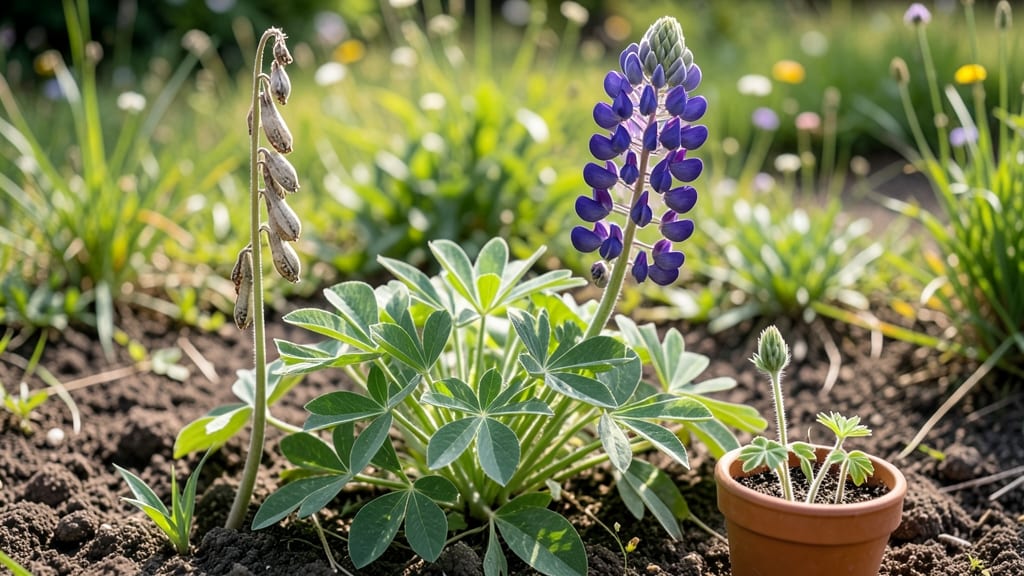
Lupines bloom every year in most mild climates as hardy perennials, but they may act like short-lived perennials or reseed themselves annually in colder regions. Consistent care—like pruning spent blooms and protecting roots in winter—keeps them flowering reliably.
Lupines thrive as perennials in USDA zones 4-9, where their deep taproots store energy for spring regrowth. 🌱 In colder areas, they often die back to the ground but return stronger each year with proper winter mulching.
The key to annual blooms lies in deadheading faded flowers—this redirects energy from seed production to root development, ensuring next year's display.
I've seen gardeners in zone 5 coax multiple seasons of blooms by combining mulch with a light spring fertilizer, though some species like Lupinus texensis naturally self-seed more aggressively.
What surprises many is how lupines reward patience: their second or third year often produces even more dramatic spikes of blooms than their first. The trade-off? They need well-draining soil—soggy conditions trigger root rot, which can kill them off permanently.
For reliable annual flowers, I recommend planting in full sun with a 3-inch layer of compost before winter, then monitoring for pests like aphids that can stress the plants.
💡 In This Article
- Lupine Growth Cycle: Why Some Bloom Annually While Others Don’t
- Year-Round Lupine Care for Reliable Annual Blooms
Lupine growth cycle: why some bloom annually while others don’t
Lupines exhibit fascinating growth patterns because their blooming habits hinge on three key botanical factors: hardiness zone, root development, and species-specific life cycles.
In USDA zones 5-9, where winters are mild, lupines establish as true perennials with deep taproots that store carbohydrates over winter—think of them as underground energy banks. These roots can reach 3-5 feet deep, allowing the plant to regenerate each spring even after severe frost.
The energy stored in these roots fuels the dramatic 3-5 foot tall flower spikes we admire every summer.
However, in colder climates (zones 3-4), lupines often behave like short-lived perennials or biennials. The issue stems from their dormancy requirements: lupines need a period of cold stratification to break seed dormancy, but established plants also require proper winter protection.
For example, Lupinus polyphyllus (the Russell lupine) typically lives 3-5 years in colder regions, while Lupinus texensis (Texas bluebonnet) often self-seeds annually because its roots are less cold-hardy. The difference comes down to how each species evolved to handle winter stress—some prioritize rapid seed production over perennial growth.
What most gardeners miss is how lupine blooming follows a strict energy allocation system. When you see those vibrant blue, purple, or yellow flower spikes, the plant is diverting all its resources to reproduction. This means the roots aren't building reserves for next year—unless you intervene.
Deadheading (removing spent blooms) forces the plant to redirect energy back to root development, which is why consistent blooming becomes possible. Without this step, many lupines will produce seeds and then decline after 2-3 years, especially in marginal climates.
Light exposure plays a surprising role too. Lupines are long-day plants, meaning they need 14+ hours of daylight to trigger flowering. In northern latitudes, this means they often bloom later in the season (June-July) compared to southern gardens where they may flower as early as April.
The timing difference affects how often they rebloom—plants in shorter-day regions may only get one flush of flowers per year, while those in longer-day zones might produce secondary blooms if given proper care.
Here's where species come into play: Lupinus polyphyllus (common garden lupine) is the most reliably perennial, while Lupinus perennis (wild lupine) often acts as a short-lived perennial or self-seeder. The wild species evolved in prairie ecosystems where fires and droughts regularly reset the landscape, making annual reseeding a survival strategy.
In contrast, garden varieties like 'Russell Hybrid' have been bred for perennial behavior in home gardens, explaining why they often outperform their wild cousins in consistent blooming.
One common misconception is that all lupines behave the same way. In reality, their blooming frequency varies by 20-30% between species due to genetic differences in root hardiness and seed production strategies.
For instance, Lupinus nootkatensis (Alaska lupine) can handle zone 3 winters but often blooms less reliably than southern species because its energy goes toward cold resistance rather than flower production. Understanding these variations helps gardeners choose the right species for their climate and care goals.