
Blooming
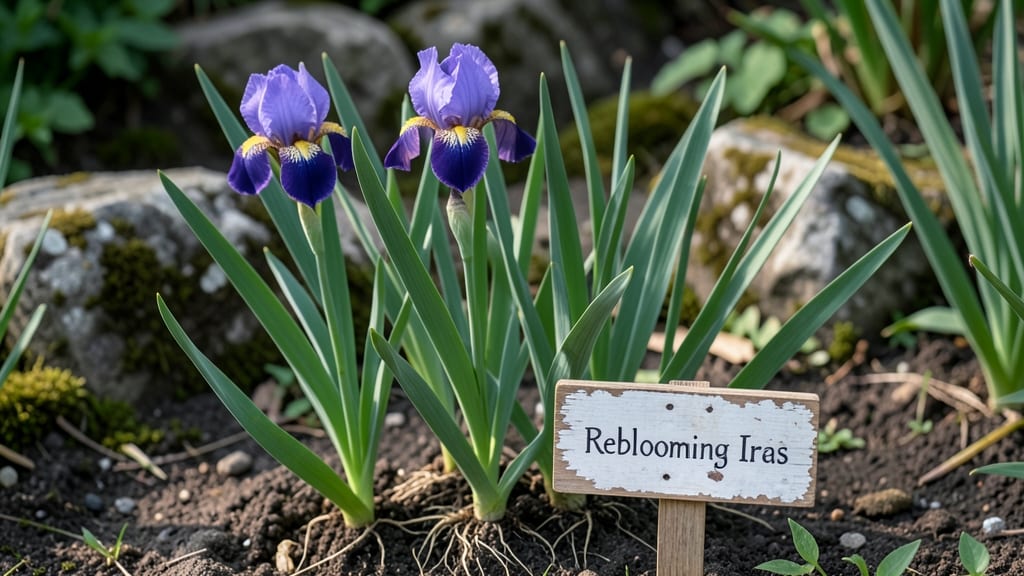
Some iris varieties bloom more than once annually, with bearded irises typically flowering just once per year while reblooming types like 'Andes' or 'Florence Scott' produce two distinct bloom cycles yearly when given proper care and division every 3-4 years.
Whether your irises put on a single spectacular show or deliver two rounds of color depends entirely on their genetics. 🌸 Traditional bearded irises focus their energy on one dramatic spring display, while reblooming varieties like 'Imagination' or 'Andes' store reserves differently, allowing them to produce a second flush of blooms later in summer.
The key difference lies in their growth habits—rebloomers continue growing after their first bloom, while single-bloomers enter dormancy. This explains why you might see some neighbors' irises flowering twice when yours only bloom once!
What's fascinating is how sunlight exposure plays a role. Reblooming irises need consistent light to trigger that second flowering cycle, which is why they often perform best in southern exposures.
I've found that pairing proper light with regular fertilization (using a balanced 10-10-10 formula after the first bloom) can push some varieties to deliver even more flowers. The trade-off? These second blooms tend to be slightly smaller than the spring display, but the extra color makes it worth the effort!
💡 In This Article
- Why Some Iris Varieties Rebloom While Others Don’t
- Tips to Encourage Second Iris Blooms in Reblooming Varieties
Why some iris varieties rebloom while others don’t
The difference between single-blooming and reblooming irises comes down to their genetic programming and growth habits. Bearded irises, which make up about 90% of cultivated varieties, are programmed to produce one spectacular bloom cycle in spring.
After flowering, they enter a period of dormancy to conserve energy for next year's growth. This is an evolutionary adaptation—nature designed them to focus all their resources on one reproductive burst when conditions are optimal in early spring.
Reblooming varieties like 'Andes' or 'Florence Scott' have a different biological strategy. These irises store excess carbohydrates in their rhizomes (the thick, horizontal stems) throughout the growing season.
When given proper care, they continue growing after their first bloom, allowing them to produce a second flush of flowers in late summer or early fall.
The key trigger for this second bloom is consistent sunlight exposure—rebloomers need at least 6-8 hours of direct sunlight daily to maintain the energy production needed for flowering. Without sufficient light, they'll either produce fewer blooms or none at all.
The timing of these blooms also reveals their biological differences. Single-blooming irises time their one annual display to coincide with peak spring conditions when pollinators are most active. Rebloomers, however, have evolved to take advantage of extended growing seasons in warmer climates.
Their second bloom often occurs when temperatures remain above 70°F for extended periods, providing a second opportunity for pollination. This dual-flowering strategy is particularly common in iris varieties originally from Mediterranean climates where summers are long and hot.
Here's where the science gets interesting: reblooming irises maintain higher levels of auxin, a plant hormone that regulates growth and flowering. While single-bloomers convert most of their energy into flower production in spring, rebloomers keep their growth centers active.
This hormonal difference explains why reblooming varieties often have more vigorous foliage throughout the growing season. The trade-off is that their rhizomes need more frequent division (every 3-4 years) to prevent overcrowding, which can reduce flowering potential.
Color plays a subtle but important role too. Many reblooming varieties have slightly lighter flower colors in their second bloom compared to their spring display. This isn't just random variation—it's often a result of different pigment concentrations as the plant allocates resources differently during its second flowering cycle.
For example, 'Imagination' might produce deep purple blooms in spring but softer lavender flowers in summer. This color shift is a visual clue that the plant is putting less energy into each individual bloom during its second cycle.
What most gardeners don't realize is that reblooming potential is also influenced by the iris's root system. Single-bloomers develop a more extensive root network early in their growth cycle, which helps them store more water and nutrients for their one big bloom.
Rebloomers, however, prioritize maintaining active growth centers that can quickly respond to favorable conditions. This explains why reblooming varieties often establish more slowly in the garden but can deliver more consistent flowering once mature. 🌿