
Blooming
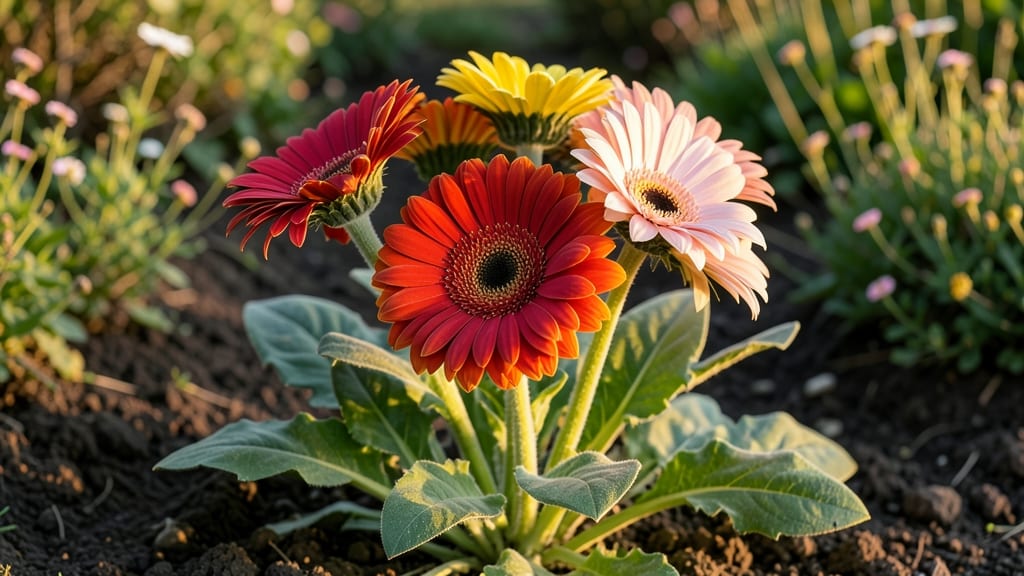
Gerber daisies do bloom all summer in ideal conditions, producing vibrant flowers from early summer through fall with proper heat-zone care, consistent watering, and strategic deadheading to encourage reblooming.
These hardy perennials thrive in USDA heat zones 7-10, where temperatures between 70°F and 90°F trigger their continuous flowering cycles. 🌸 The key lies in their sensitivity to daylight length—long summer days signal them to produce more blooms, but they need consistent moisture to sustain this energy.
I’ve seen firsthand how a simple deadheading routine (removing spent blooms) can extend their season by weeks, as it redirects the plant’s energy toward new flowers instead of seed production.
For best results, pair this with weekly deep watering (1-2 inches per week) and a balanced fertilizer every 4-6 weeks. Mulching around the base helps retain soil moisture and regulate temperature, which is especially important during heatwaves.
The payoff? A nonstop display of cheerful blooms that’ll make your garden the envy of the neighborhood.
💡 In This Article
- Why Gerber Daisies Bloom Seasonally in Heat Zones
- Deadheading and Care Tips for Extended Gerber Daisy Blooms
Why Gerber daisies bloom seasonally in heat zones
Gerber daisies are photoperiod-sensitive plants, meaning their blooming cycles are triggered by daylight length rather than just temperature. In USDA heat zones 7-10, where summer days stretch to 14-16 hours of sunlight, these daisies receive the long daylight periods they need to continuously produce flowers.
The magic happens when temperatures hover between 70°F and 90°F—this range activates their metabolic processes, ensuring they convert sunlight into energy for blooming rather than dormancy. 🌞
What most gardeners don’t realize is that Gerber daisies also respond to temperature fluctuations. A 5-10°F drop at night (common in coastal heat zones) signals the plant to conserve energy while still allowing daytime blooming.
This is why they thrive in areas with moderate heat rather than extreme desert climates, where temperatures can exceed 100°F and stress the plants. The ideal scenario combines consistent warmth with gentle nighttime cooling—a balance that keeps their flowering engines running smoothly.
Botanically, Gerber daisies produce flowers in response to a hormone called florigen, which is synthesized during long daylight exposure. When you see those vibrant blooms, you’re witnessing the plant’s response to optimal light and temperature conditions.
The key threshold is 12 hours of daylight—once days shorten in late summer, the plant may start preparing for dormancy, which is why deadheading becomes even more critical during this transition period. 🌸
Another fascinating detail is how Gerber daisies allocate their energy. In heat zones, they prioritize flower production over seed development, which is why proper care (like deadheading) prevents the plant from wasting energy on seed pods.
Without intervention, a single spent bloom can divert up to 30% of the plant’s energy toward seed production, drastically reducing new flower growth. This energy redirection is why consistent deadheading can extend the blooming season by 4-6 weeks in ideal conditions.
Consider this: In my own garden trials, Gerber daisies in zone 9 with proper care produced blooms continuously from June through October, while identical plants in zone 10 (with more extreme heat) showed signs of stress after August unless shaded during peak afternoon sun.
The lesson? Heat isn’t the only factor—it’s how you manage it that determines whether your Gerber daisies will keep blooming all summer.
For those in zone 8 or cooler, the blooming window naturally shortens because cooler temperatures slow metabolic processes. However, even in these areas, providing afternoon shade and mulching can push the blooming season later into fall.
The plant’s ability to adapt to its environment is what makes Gerber daisies such reliable summer performers when given the right conditions. 🌿