
Blooming
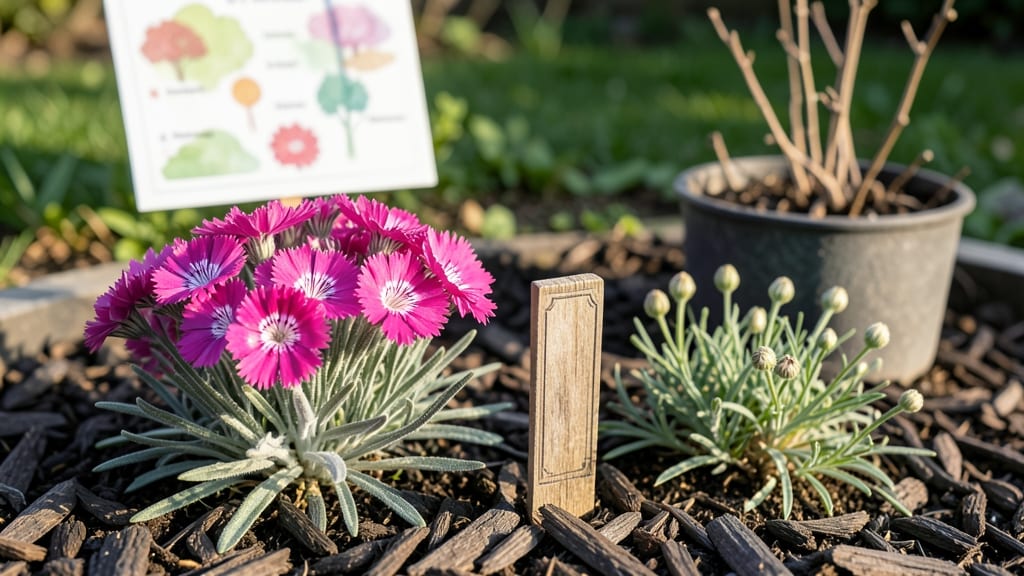
Dianthus do not bloom all year; most varieties flower seasonally, typically from spring through fall, with blooming cycles controlled by temperature shifts, daylight exposure, and proper garden maintenance like removing spent blooms. Only certain evergreen types might show occasional flowers in warmer regions.
Most dianthus plants follow nature's rhythm, bursting into color when days grow longer and temperatures moderate. 🌸 The key to encouraging longer blooms lies in understanding their needs—regular deadheading (snipping off faded flowers) tricks plants into focusing energy on new buds, while well-draining soil rich in organic matter supports their root systems.
I've found that varieties like 'Firewitch' and 'Cottage Pink' reward consistent care with extended flowering, though even these may take a summer break during heatwaves or winter dormancy periods. The secret isn't forcing year-round blooms but creating ideal conditions for multiple seasonal flushes.
What sets dianthus apart is their adaptability—some varieties thrive in cooler climates where they might bloom continuously from late spring to early autumn, while others in hotter zones need afternoon shade to prevent wilting.
The evergreen types you sometimes see flowering sporadically are typically hardier perennials that store energy during off-seasons. My top tip? Plant them where they'll get at least 6 hours of sunlight daily and mulch heavily in winter to protect their roots from temperature swings.
💡 In This Article
- Factors Affecting Dianthus Blooming Seasons
- Tips to Extend Dianthus Flowering Periods
Factors affecting dianthus blooming seasons
The blooming cycles of dianthus are primarily governed by photoperiodism—the plant's response to daylight length. Most varieties need 12-14 hours of daylight to trigger flowering, which explains why they peak in spring and summer when days lengthen. During shorter winter days, many types enter dormancy, conserving energy until conditions improve.
This natural rhythm is hardwired into their genetics, with some species like Dianthus barbatus (sweet william) evolving to bloom in early summer when pollinators are most active.
Temperature plays an equally critical role. Dianthus thrive in 50-75°F ranges, with many varieties requiring cooler nights (55-60°F) to set buds properly. When temperatures exceed 85°F for extended periods, blooms often wilt or fail to open, a phenomenon called "heat stress."
I've noticed this firsthand with 'Firewitch' dianthus, which produces vibrant magenta flowers in spring but struggles to rebloom during summer heatwaves unless provided with afternoon shade. The plant's ability to photosynthesize also drops in extreme heat, further limiting energy for new growth.
Variety type makes a significant difference. Annual dianthus like 'Flashdance' series complete their entire life cycle in one season, blooming prolifically from late spring until frost. Perennial types, however, may produce multiple flushes of flowers if given proper care.
Evergreen varieties like Dianthus gratianopolitanus (commonly called "pink") often show intermittent blooms in mild climates because they're not true perennials but rather semi-evergreen plants that can persist for years if conditions remain stable.
The key distinction lies in their root systems—perennials develop deeper roots that store nutrients for regrowth, while annuals rely entirely on current season resources.
Soil conditions act as another critical regulator. Dianthus prefer well-draining, slightly alkaline soil (pH 6.0-7.5) to prevent root rot, which can stress plants and reduce flowering. In heavy clay soils, roots suffocate, leading to stunted growth and fewer blooms.
I've found that amending garden beds with sand and compost (50/50 mix) creates ideal conditions for continuous blooming. The plant's natural habitat—rocky, Mediterranean slopes—explains why it thrives in lean, gritty soils that mimic its native environment.
When soil moisture fluctuates too much, dianthus may enter a survival mode, prioritizing root health over flower production.
Daylight intensity matters too. While dianthus need sunlight to bloom, direct midday sun can scorch delicate petals in hot climates. This is why many gardeners use 30-50% shade cloth during peak summer hours.
The balance between light and temperature creates what botanists call a "bloom window"—a specific period when all conditions align for optimal flowering. For example, 'Mystic Tides' dianthus might bloom for 6-8 weeks in spring if planted in partial shade, but only 3-4 weeks in full sun during summer months.
Understanding this window helps gardeners plan for staggered plantings to enjoy continuous color.
What most gardeners overlook is how dianthus respond to vernalization—a cold treatment that breaks dormancy. Many perennial varieties need exposure to 40-50°F temperatures for 4-6 weeks in winter to trigger spring blooming. Without this chilling period, some types may produce fewer flowers or bloom erratically.
This explains why dianthus grown in frost-free climates often struggle to establish regular flowering patterns. The science here mirrors what we see with other temperate plants like peonies and tulips, where cold exposure acts as a biological reset button for the plant's growth cycle.