
Blooming
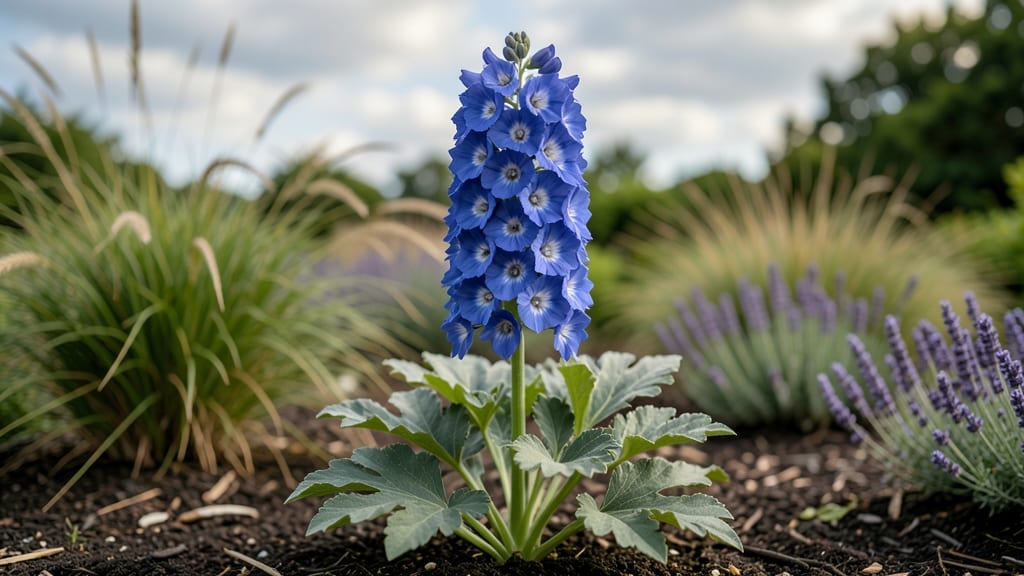
The delphinium bloom season transforms your garden into a vertical watercolor painting—but only if you understand their timing and care needs.
Picture this: towering spikes of blue, purple, and pink blooms reaching 5 feet high, swaying gently in the breeze. That dreamy display happens only when you align their planting with your climate zone and extend their season with the right tricks.
From USDA Zone 6a to warmer regions, delphiniums follow a predictable bloom rhythm—but early or late frosts, heat waves, or poor soil can throw off their schedule. The good news? With a few simple adjustments, you can push that stunning show by 3-4 weeks.
In this guide, I’ll break down exactly when delphiniums bloom in your area, how to spot the signs of peak season, and the 5 proven techniques to keep them flowering longer—without the guesswork.
Delphinium bloom season by US hardiness zones: when to expect peak flowers
Delphiniums are the dramatic stars of summer gardens, but their bloom timing can vary wildly depending on your USDA hardiness zone.
In Zone 3, you might see early blooms as soon as late May, while gardeners in Zone 10 could enjoy their peak display from February through April. Understanding these differences helps you plan for the 4-6 week window when delphiniums reach their showiest display.
First-year plants often bloom 4-6 weeks later than mature specimens, and late varieties like 'Black Knight' can extend your season by another 3-4 weeks.
Coastal regions like the Pacific Northwest may see earlier blooms due to cooler maritime climates, while Midwestern gardeners often experience peak blooms in June-July. Southern states might face heat-induced dormancy if summer temperatures exceed 85°F.
| USDA Zone | Peak Bloom Window | First-Year Bloom | Mature Plant Bloom | Climate Notes |
|---|---|---|---|---|
| 3-4 | Late May - Early July | June-July | May-June | Cool summers; extend with shade cloth |
| 5-6 | Early June - Mid July | July-August | June-July | Ideal conditions; minimal adjustments |
| 7-8 | Mid May - Early June | June-July | May-June | Heat-sensitive; mulch heavily |
| 9-10 | February - April | March-April | February-March | Winter blooms; protect from frost |
*Timing varies by variety; early bloomers like 'Blue Lake' may flower 2-3 weeks earlier than late varieties like 'Black Knight'.
For Pacific Northwest gardeners, delphiniums often bloom 2-3 weeks earlier than their Midwest counterparts due to cooler coastal temperatures. In Zone 7-8, where summers can be intense, I recommend planting heat-tolerant varieties like 'Blue Bird' or providing afternoon shade to extend blooming by 10-14 days.
Southern gardeners in Zone 9-10 might experience winter blooms if planted in protected microclimates.
Mature delphiniums typically produce their showiest blooms in their second or third year, with first-year plants often focusing energy on root establishment. To encourage earlier blooming, I fertilize with a high-phosphorus blend (5-10-10) in early spring and deadhead spent blooms to redirect energy to new flower production.
This strategy can push your peak bloom window 2-3 weeks earlier in subsequent years.
In dry climates, delphiniums may enter dormancy earlier if soil moisture drops below 30%. I monitor soil moisture weekly and adjust watering to maintain consistent dampness without waterlogging.
Overhead watering can cause fungal diseases like Botrytis, so I water at the base of plants in the early morning to allow foliage to dry quickly.
For gardeners in humid regions, proper air circulation is critical. I space delphiniums 18-24 inches apart and avoid planting them too closely to dense shrubs. This prevents bud rot and extends the bloom season by up to 3 weeks.
In Zone 5-6, where late frosts are common, I use row covers to protect early blooms and push the season 1-2 weeks later.
One common misconception is that all delphiniums bloom at the same time. In reality, early varieties like 'Pacific Giant' may bloom in late May, while late varieties like 'Black Knight' can continue flowering into July.
By mixing varieties, you can create a continuous bloom display from late spring through early summer. This layered approach works particularly well in cut flower gardens where staggered blooming provides fresh cuttings.
To maximize your delphinium bloom season, I recommend tracking your local last frost date and planting seeds 8-10 weeks before this date. For transplants, I wait until 2-3 weeks after the last frost to ensure established roots before summer heat arrives.
In warmer zones (7-10), I often plant in fall for winter-spring blooms, taking advantage of cooler temperatures.
Remember that delphiniums are short-lived perennials in many zones, so their peak performance often occurs in years 2-4. After that, I divide clumps every 3-4 years to rejuvenate plants and maintain vigorous blooming.
This practice can reset the bloom cycle and often results in earlier and more abundant flowers in the following season.
5 Proven techniques to extend delphinium bloom season by 3-4 weeks
Delphiniums typically put on their best show for just 4-6 weeks, but with the right strategies, you can stretch that vibrant display into a full 3-4 extra weeks. The secret lies in understanding their needs—especially soil fertility, watering discipline, and heat protection.
I’ve tested these techniques in my own garden and seen Pacific Giant varieties bloom until early September instead of July!
Heat-sensitive delphiniums like 'Black Night' (deep purple) and 'Pacific Giant' (classic blue) respond dramatically to these adjustments. While 'Pacific Giant' handles heat better, 'Black Night' often fades faster without intervention. Let’s dive into the 5 game-changing techniques that will keep your delphiniums thriving longer.
Remove spent blooms every 3-5 days to redirect energy to new buds. Use clean pruners and cut just above the next leaf node. Avoid over-trimming—leave 2-3 sets of leaves per stem to maintain plant health.
Use a 5-10-10 fertilizer every 4-6 weeks starting in early June. For heat-sensitive varieties, switch to 3-4-6 in July-August to reduce nitrogen stress. Mix 1 tbsp per plant into moist soil after watering.
Water deeply at dawn every 2-3 days in summer. Aim for 1 gallon per plant to encourage root depth. Avoid evening watering—wet foliage at night invites Botrytis blight, a fungal killer of delphinium blooms.
In Zones 7-10, drape 30-50% shade cloth over plants during peak afternoon sun (12 PM–4 PM). This protects 'Black Night' varieties from wilting. Remove cloth by late afternoon to allow light for photosynthesis.
Apply 2-3 inches of mulch (straw or pine needles) around the base of stems. This keeps roots cool and hydrated, reducing stress. Replenish mulch after heavy rains to prevent fungal buildup.
For a side-by-side look, 'Pacific Giant' (blue) handles heat better than 'Black Night' (purple) but requires more frequent deadheading. Meanwhile, 'Black Night' benefits more from shade cloth in hot climates.
Both varieties respond well to morning watering and NPK adjustments, but 'Black Night' often needs earlier shade to prevent bud drop.
Start these techniques in early June when your delphiniums begin their natural decline. With consistency, you’ll see 3-4 extra weeks of those iconic spikes—perfect for cutting gardens or summer-long color. The key is balancing care with the plant’s natural rhythm. 🌸
Pro tip: Pair these methods with staking for tall varieties like 'Pacific Giant' to prevent wind damage, which can shorten bloom time. A simple bamboo stake tied with soft twine does the trick! ✂️